



Key Highlights
- Layering various textiles adds essential warmth and physical comfort to a room.
- Incorporating natural elements like wood and stone balances sleek surfaces.
- Multi-layered lighting prevents a clinical atmosphere by creating soft shadows.
- Curated art and personal objects provide the character needed to humanise the space.
Introduction
The appeal of modern contemporary interior design lies in its simplicity, clean lines, and sophisticated use of space. It is a style that prioritises the “here and now,” blending sleek finishes with a focus on functionality. However, a common criticism of this aesthetic is that it can feel impersonal, clinical, or even “cold.” Many homeowners worry that by adopting a minimalist or contemporary approach, they will lose the cosiness that makes a house feel like a home.
The secret to a successful transformation is finding the balance between sharp architectural lines and soft, tactile elements. By exploring specific modern contemporary interior design ideas that focus on texture, light, and nature, you can create a space that is both cutting-edge and deeply inviting.
1. Integrating Rich and Varied Textures
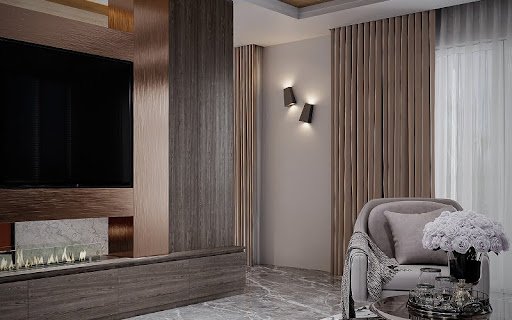
Texture is the primary tool for adding warmth to a modern contemporary interior design. When a room is filled only with smooth surfaces like glass, polished stone, and lacquered wood, it lacks visual and physical softness. To counteract this, you should introduce a variety of textiles. Think of a plush wool rug over a tiled floor, linen cushions on a leather sofa, or heavy velvet curtains that frame large windows.
These materials absorb sound and provide tactile comfort, which immediately makes a room feel more grounded. Layering these different fabrics creates a “visual weight” that fills the space with warmth without needing to add unnecessary clutter.
2. Using Natural Materials as an Anchor
One of the most effective modern contemporary interior design ideas is the strategic use of organic materials. Wood, in particular, is an excellent way to “thaw” a cold contemporary space. Whether it is a feature wall with oak slats, a walnut dining table, or simple teak accents in the shelving, the natural grain of wood introduces an earthy element that balances industrial materials like concrete or steel.
Similarly, stones with warm veining, such as travertine or certain marbles, can add a sense of luxury while remaining natural. Bringing the outside in through these materials provides a sense of timelessness and connection to nature that prevents the design from feeling too synthetic.
3. Layering Lighting for Atmosphere
Lighting is often an afterthought, but it is perhaps the most important element in defining the mood of modern contemporary interior design. A single overhead light can create harsh shadows and make a room feel like an office. Instead, you should aim for a layered lighting scheme. Combine ambient lighting (like dimmable ceiling lights) with task lighting (such as a sleek floor lamp for reading) and accent lighting (like LED strips under cabinets or behind a bed headboard).
Warm-toned bulbs, rather than cool blue-white ones, are essential for creating a welcoming glow in the evening. This variety of light sources allows you to change the atmosphere of the room to suit different times of the day.
4. Humanising the Space with Art and Greenery
A space only feels “cold” when it lacks signs of life. In modern contemporary interior design, less is more, but that does not mean nothing. A few well-chosen pieces of art can act as a focal point and introduce colour and personality. Large-scale abstract paintings or a gallery wall of personal photographs can make a statement while remaining within the contemporary framework. Furthermore, indoor plants are a vital addition.
The vibrant green of a monstera or the sculptural elegance of a fiddle-leaf fig adds a living, breathing element to the room. Plants soften sharp corners and bring a sense of vitality that no piece of furniture can replicate, making the modern home feel truly lived-in.
Conclusion
Achieving a modern contemporary look does not mean you have to sacrifice comfort. By intentionally selecting textures, incorporating natural materials, and mastering the art of lighting, you can create a home that is as warm as it is stylish. The modern contemporary aesthetic is a flexible one, allowing for personal expression through art and greenery. When these elements are combined, the result is a sophisticated sanctuary that feels modern and relevant, yet perfectly comfortable for daily living. Design is about more than just looks; it is about how a space makes you feel, and a warm contemporary home is the ultimate expression of that balance.
Contact HOFT to explore more modern contemporary interior design ideas and see how our team can help you begin your renovation journey!