



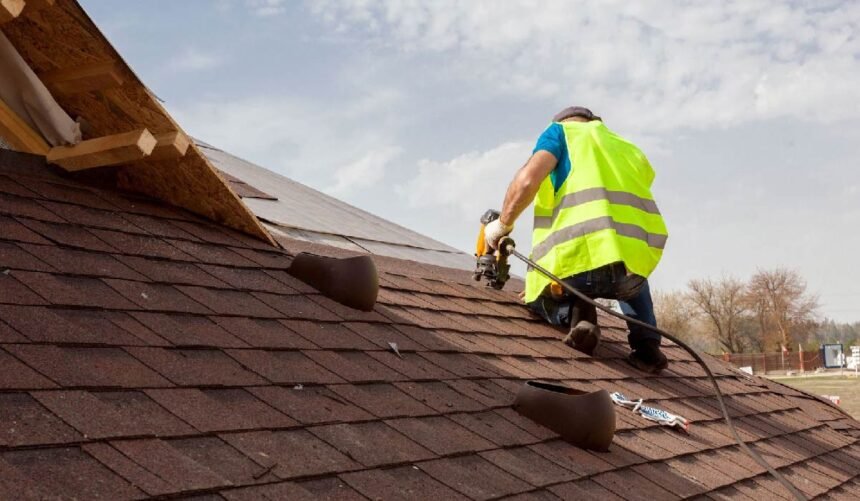
When it comes to protecting your home, few decisions are as important as selecting the right roofing material. Your roof serves as the first line of defense against the elements, shielding your family and belongings from rain, wind, snow, heat, and other environmental factors. While aesthetics and budget often influence roofing choices, climate should be one of the most important considerations.
Different roofing materials perform differently depending on weather conditions. A roof that works well in a dry, sunny climate may not provide the same durability in an area that experiences heavy rainfall, high winds, or extreme temperature changes. Understanding how climate affects roofing performance can help homeowners make a smart investment that offers long-lasting protection and value.
Why Climate Matters When Choosing a Roof
Every roofing material has strengths and weaknesses. Weather conditions can significantly impact how well a roof performs over time.
Factors that influence roofing performance include:
- Temperature extremes
- Rainfall levels
- Snow and ice accumulation
- Wind exposure
- Humidity
- Hailstorms
- UV radiation
Selecting a roofing system designed to handle your region’s climate can improve durability, reduce maintenance costs, and extend the lifespan of your roof.
Roofing for Hot and Sunny Climates
Homes located in areas with intense sunlight and high temperatures require roofing materials that can withstand prolonged UV exposure and heat.
Ideal roofing options include:
Metal Roofing
Metal roofs reflect solar heat rather than absorbing it. This helps reduce cooling costs and keeps homes more comfortable during hot weather.
Benefits include:
- Excellent heat reflection
- Long lifespan
- Low maintenance
- Fire resistance
Cool Roofing Materials
Cool roofs are specifically designed to reflect more sunlight and absorb less heat than traditional roofing products.
Advantages include:
- Improved energy efficiency
- Reduced cooling expenses
- Enhanced indoor comfort
Reflective roofing systems are particularly beneficial in regions that experience long, hot summers.
Roofing for Cold and Snowy Climates
In areas with harsh winters, roofing materials must be able to handle snow loads, ice accumulation, and freeze-thaw cycles.
Asphalt Shingles
High-quality asphalt shingles are one of the most common roofing materials for cold-weather regions.
Benefits include:
- Good weather resistance
- Affordable installation
- Reliable performance
- Easy maintenance
Modern architectural shingles often provide enhanced durability and wind resistance.
Metal Roofing
Metal roofs are also excellent for snowy climates because snow tends to slide off the surface more easily.
Additional advantages include:
- Resistance to ice dams
- Superior durability
- Long-term performance
Proper installation is critical to ensure effective drainage and prevent winter-related issues.
Roofing for Rainy and Humid Regions
Homes in areas with frequent rainfall and high humidity require roofing materials that resist moisture penetration and mold growth.
Asphalt Shingles
Properly installed asphalt shingles offer strong water-shedding capabilities and perform well in many wet climates.
Homeowners should ensure:
- Adequate roof slope
- Proper ventilation
- Routine inspections
Metal Roofing
Metal roofing is highly resistant to water damage and performs exceptionally well in regions with heavy rainfall.
Its smooth surface allows water to drain efficiently, reducing the risk of leaks and standing water.
Roofing for Wind-Prone Areas
Strong winds can cause significant damage to roofing systems, particularly during storms and hurricanes.
Metal Roofing
Metal roofs are known for their excellent wind resistance and can often withstand higher wind speeds than many traditional roofing materials.
Benefits include:
- Secure fastening systems
- Exceptional durability
- Reduced risk of wind uplift
Impact-Resistant Asphalt Shingles
Certain premium shingles are designed to withstand both strong winds and flying debris.
These products often feature enhanced construction and stronger attachment methods.
Roofing for Hail-Prone Regions
Hail can cause extensive damage to roofing materials, resulting in cracks, dents, and water infiltration.
Impact-Resistant Shingles
Class 4 impact-resistant shingles are specifically engineered to withstand hail impacts more effectively than standard roofing materials.
Advantages include:
- Improved durability
- Reduced repair costs
- Better storm protection
Metal Roofing
Metal roofing also performs well against hail, although larger hailstones may still leave cosmetic dents.
Despite potential surface damage, metal roofs often maintain their structural integrity after hailstorms.
Roofing for Areas with Temperature Fluctuations
Regions that experience significant temperature swings require roofing materials capable of expanding and contracting without cracking or deteriorating.
Metal Roofing
Metal naturally expands and contracts while maintaining its structural performance.
Benefits include:
- Excellent flexibility
- Resistance to thermal stress
- Long-term durability
High-Quality Asphalt Shingles
Premium shingles are designed to tolerate changing temperatures while maintaining their protective properties.
Proper attic ventilation further enhances performance in climates with fluctuating temperatures.
Energy Efficiency Considerations
Climate-specific roofing choices can significantly impact household energy consumption.
Energy-efficient roofing materials help:
- Reduce heating costs
- Lower cooling expenses
- Improve indoor comfort
- Minimize HVAC strain
Features that contribute to energy efficiency include:
- Reflective coatings
- Proper insulation compatibility
- Ventilation support
- Thermal resistance
Over time, energy savings can offset a portion of the roofing investment.
Durability and Lifespan
The lifespan of a roof depends heavily on how well the material matches local climate conditions.
Average lifespans include:
- Asphalt shingles: 20–30 years
- Metal roofing: 40–70 years
- Tile roofing: 50+ years
- Slate roofing: 75+ years
Choosing a material designed for your specific environment helps maximize longevity and reduce replacement frequency.
Maintenance Requirements
Different roofing materials require varying levels of maintenance.
Before making a decision, homeowners should consider:
- Inspection frequency
- Cleaning needs
- Repair costs
- Long-term upkeep
Low-maintenance materials often provide greater convenience and lower ownership costs over time.
Professional Guidance Makes a Difference
Selecting the right roofing material can be challenging because multiple factors must be considered simultaneously.
Experienced roofing professionals can evaluate:
- Local climate conditions
- Roof design
- Budget requirements
- Energy efficiency goals
- Long-term maintenance expectations
Many homeowners begin their search by looking for roofing contractors near me to obtain expert recommendations and professional assessments tailored to their specific location and roofing needs.
Conclusion
Choosing the right roofing material for your climate is one of the most important decisions a homeowner can make. The ideal roof should provide reliable protection against local weather conditions while offering durability, energy efficiency, and long-term value.
Whether you live in a region with intense heat, heavy snowfall, frequent rain, strong winds, or severe storms, selecting a climate-appropriate roofing material can help extend the life of your roof and reduce future maintenance costs. By understanding the strengths of different roofing systems and consulting experienced professionals, homeowners can make informed decisions that protect their investment and ensure lasting peace of mind for years to come.