



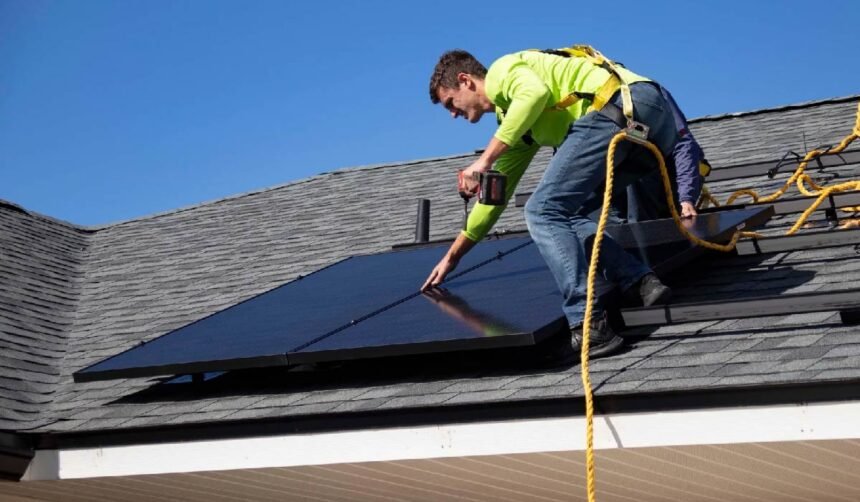
Home upgrades that involve both roofing and renewable energy are becoming more common as homeowners look for long-term savings and sustainability. But when both a roof upgrade and solar system are needed, one big question always comes up: what should come first?
The answer is not always obvious, and choosing incorrectly can lead to wasted money, repeated labor, and unnecessary disruption. The decision comes down to roof condition, system lifespan, and long-term planning. When these factors are properly evaluated, homeowners can avoid costly mistakes and build a more efficient home.
Why Roof Condition Is the First Thing to Check
Before any major installation begins, the roof must be inspected thoroughly. The roof is the structural base that supports everything installed above it. If it is aging, weakened, or already showing signs of failure, it cannot safely support additional systems.
Common warning signs include missing shingles, leaks, sagging areas, and water stains inside the home. These issues often indicate deeper structural concerns that are not always visible from the surface.
Installing a system on a compromised roof is risky because any future roof repairs may require removal of the equipment. This leads to unnecessary cost and downtime.
When Roof Replacement Should Come First
In many cases, roof replacement should be the first step. If your roof is nearing the end of its lifespan or has recurring issues, replacing it ensures a strong and stable foundation for future upgrades.
A new roof provides long-term durability and eliminates the risk of having to remove installed systems later. It also allows homeowners to start fresh with materials that are more compatible with modern energy solutions.
New roofing materials are designed with better durability, insulation, and mounting compatibility, making them ideal for future upgrades.
When Solar Installation Can Be Done First
There are situations where installing energy systems first may be acceptable. If the roof is relatively new, structurally sound, and expected to last at least as long as the system’s lifespan, then it may be safe to proceed.
However, this decision should never be made casually. Even a roof that looks fine may have underlying issues that are not immediately visible.
A professional inspection is essential before moving forward to avoid future complications.
Understanding System Lifespan and Timing
One of the most important factors in this decision is lifespan alignment. Roofing systems and energy systems often have different lifespans.
If a roof needs replacement before the energy system reaches the end of its life, the equipment may need to be removed and reinstalled. This adds unnecessary labor costs and delays.
Proper timing ensures both systems work together without interfering with each other.
The Role of a Roofing Company in Decision Making
A professional roofing company, solar roof installation plays a key role in evaluating whether your home is ready for installation or needs structural upgrades first. Experts can assess roof condition, estimate remaining lifespan, and identify hidden damage that homeowners may miss.
They also help determine whether minor repairs are enough or if full replacement is necessary before moving forward.
Working with experienced professionals reduces risk and ensures that decisions are based on technical evaluation rather than guesswork.
Why Roof Replacement First Is Often the Smarter Choice
In most situations, replacing the roof first is the more practical and cost-effective approach. It eliminates the risk of future removal and ensures a solid foundation for long-term investment.
A new roof also improves energy efficiency, insulation, and weather resistance. This creates a stronger base for future installations and reduces maintenance concerns.
When done correctly, this approach minimizes disruption and maximizes long-term savings.
Risks of Installing Solar First
While early installation may seem convenient, it can create long-term challenges if the roof needs replacement later.
The most common issues include:
- Removing installed equipment for roof repairs
- Additional labor and reinstallation costs
- Potential damage during removal
- Delays in system operation
These risks can significantly increase total project costs if not planned properly.
Structural Considerations That Cannot Be Ignored
Roof systems must be strong enough to support additional weight and mounting hardware. Even if a roof appears intact, underlying damage can weaken its structure.
Mounting systems require secure anchoring points. If the roofing material or structure is compromised, long-term safety can be affected.
This is why inspections by professionals are critical before any installation begins.
How Solar Roof Installation Impacts Planning
Modern solar roof installation systems are designed to integrate with roofing materials more efficiently than older systems. However, they still rely heavily on roof stability.
If the roof is not properly evaluated before installation, even advanced systems can face complications later.
Proper planning ensures that both roofing and energy systems work together efficiently.
Financial Impact of Poor Timing
Timing mistakes can significantly increase project costs. Installing systems on an aging roof often leads to future removal and reinstallation expenses.
On the other hand, replacing a roof too early without planning for energy upgrades can delay savings and require adjustments later.
Coordinating both projects properly reduces duplicate work and improves return on investment.
How Professionals Help Avoid Mistakes
A qualified roofing company can help homeowners avoid costly errors by providing detailed inspections and honest recommendations. They evaluate whether the roof can support long-term upgrades or if replacement is required first.
In many cases, collaboration between roofing and energy specialists ensures the most efficient approach.
This professional guidance helps homeowners make informed decisions based on real structural data.
Long-Term Benefits of Proper Planning
When roof upgrades and energy systems are properly coordinated, homeowners benefit in multiple ways:
- Lower long-term maintenance costs
- Reduced risk of system removal
- Improved energy efficiency
- Increased property value
- Better structural protection
These benefits highlight why proper sequencing is essential for maximizing value.
Common Mistakes Homeowners Should Avoid
One of the most common mistakes is rushing into installation without checking roof condition. This often leads to expensive rework later.
Another mistake is focusing only on short-term savings rather than long-term performance.
Failing to consult professionals before making decisions is also a major issue that can lead to avoidable expenses.
Final Recommendation
The decision between roof replacement and energy installation depends entirely on roof condition and long-term planning.
In most cases, roof replacement should come first to ensure a strong foundation. However, if the roof is new and in excellent condition, installation may proceed safely.
The key is proper evaluation and timing.
Conclusion
Choosing the right order for roofing and energy upgrades is essential for avoiding unnecessary costs and maximizing long-term benefits. A strong roof provides the foundation for everything above it, while modern energy systems deliver ongoing savings and efficiency.
When planned correctly, both systems work together seamlessly. Working with a trusted roofing company ensures that decisions are based on expert evaluation rather than guesswork.
A well-timed solar roof installation combined with proper roofing preparation creates a durable, efficient, and future-ready home investment that delivers value for decades.