



Introduction
Before any construction, development, or agricultural project begins, the first and most essential step is to prepare the land. This process, known as land clearing, plays a critical role in transforming overgrown, unusable terrain into a safe, functional, and build-ready site. Despite being one of the earliest phases of site development, its importance is often underestimated. Without proper land clearing, construction can face significant setbacks, from safety hazards to environmental complications.
In this in-depth article, we’ll explore the various aspects of land clearing, its importance in construction and agriculture, the techniques used, the challenges involved, and best practices for ensuring a successful and sustainable result.
Understanding Land Clearing
Land clearing in Stillwater refers to the process of removing trees, shrubs, stumps, rocks, and other obstacles from a piece of land to make it suitable for development, farming, or other uses. While the methods may vary depending on the terrain and purpose of the project, the core objective remains the same—prepare the land for its next phase of use.
It is a labor- and equipment-intensive task that requires careful planning, environmental consideration, and adherence to regulatory requirements. Professionals involved in land clearing often work alongside engineers, architects, developers, and environmental engineering professionals to ensure the site is cleared efficiently and responsibly.
Why Land Clearing is Essential
The necessity for land clearing stretches across multiple industries and serves several critical functions:
1. Enables Construction and Development
Whether it’s for building homes, commercial properties, roads, or industrial facilities, the first step is clearing the land of obstructions. This not only provides a clean slate for construction but also ensures safety and structural stability.
2. Supports Agricultural Activities
Farmers rely on land clearing to prepare new areas for cultivation or grazing. Removing vegetation and debris ensures healthier soil and improved crop yields.
3. Prevents Fire Hazards
Overgrown vegetation can serve as fuel for wildfires. Clearing dead trees, dry brush, and undergrowth helps mitigate this risk, particularly in fire-prone areas.
4. Improves Land Aesthetics and Usability
Unused or neglected properties can quickly become overgrown and unappealing. Land clearing improves visual appeal and increases usable space for property owners.
5. Pest and Disease Control
Dense vegetation can harbor pests and diseases. Clearing such areas reduces infestations and supports healthier ecosystems.
Methods and Techniques of Land Clearing
There are several approaches to land clearing, each with its own pros and cons depending on the size, terrain, and intended use of the land.
1. Manual Clearing
This involves using hand tools like chainsaws, axes, and machetes to remove vegetation. It’s ideal for small-scale projects and areas where machinery can’t access.
Pros:
- Precise and controlled
- Low environmental impact
Cons: - Time-consuming
- Labor-intensive
2. Mechanical Clearing
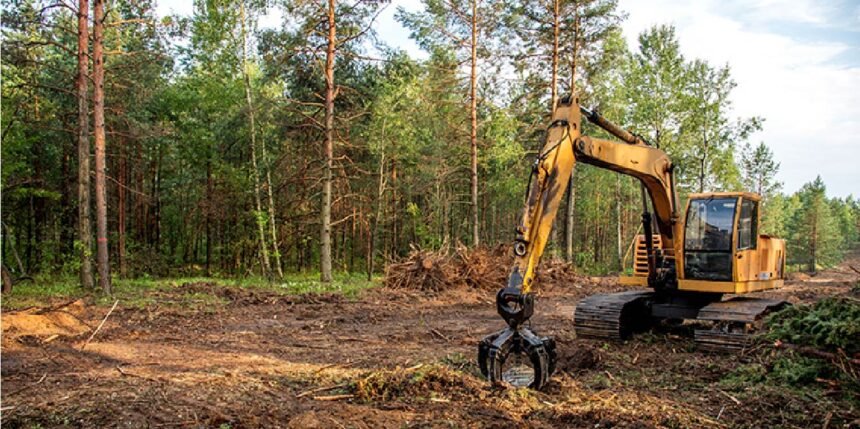
Using heavy machinery such as bulldozers, excavators, skid steers, and mulchers, this method is suitable for large areas that require quick and efficient clearing.
Pros:
- Fast and effective for big projects
- Suitable for tough vegetation and stumps
Cons: - Expensive
- Can disturb the soil and local ecosystems
3. Controlled Burning
This method involves setting controlled fires to clear brush and undergrowth. It’s commonly used in forestry and agricultural applications.
Pros:
- Cost-effective for large areas
- Helps restore soil nutrients
Cons: - Risky if not properly managed
- Requires permits and regulatory compliance
4. Chemical Clearing
Herbicides are applied to kill unwanted vegetation over time. This technique is usually used in conjunction with other methods.
Pros:
- Effective for invasive plants
Cons: - Environmental concerns
- Slow process
Key Equipment Used in Land Clearing
Land clearing requires a variety of specialized tools and equipment depending on the method and project scale:
- Bulldozers: For pushing and removing trees and large obstacles.
- Excavators: Useful for digging, stump removal, and debris lifting.
- Mulchers: Grind vegetation into mulch, reducing the need for hauling.
- Chainsaws: Essential for cutting down trees and large limbs.
- Skid Steers: Compact and versatile for maneuvering tight spaces.
Environmental Considerations
Land clearing can have significant environmental impacts if not handled responsibly. Therefore, proper planning and mitigation strategies are essential:
1. Soil Erosion
Removing vegetation exposes soil to wind and water erosion. Builders must use silt fences, straw bales, or erosion control mats to prevent sediment runoff.
2. Wildlife Displacement
Clearing land can destroy natural habitats. Environmental assessments and wildlife relocation programs are important steps in minimizing disruption.
3. Water Quality
Debris and chemicals used during clearing can enter water sources. Buffer zones and sediment traps help protect water bodies from contamination.
4. Reforestation and Replanting
After the land is developed, replanting native species and creating green spaces can restore balance and support biodiversity.
Regulatory Compliance and Permitting
Land clearing often requires permits from local or state authorities, particularly if:
- The land is near wetlands or protected areas
- Large trees are being removed
- Controlled burning is involved
- Endangered species may be affected
Failing to obtain necessary permits can lead to fines, work stoppages, or legal action. Always check applicable regulations before starting a project.
Steps in a Standard Land Clearing Project
To ensure success, most land clearing projects follow a structured process:
1. Site Evaluation
Professionals assess soil type, vegetation density, topography, and environmental concerns.
2. Planning and Permitting
A detailed plan is developed, outlining methods, equipment, and timelines. Permits are acquired as needed.
3. Utility Location and Safety Prep
Underground utilities are marked, and safety protocols are put in place.
4. Clearing Execution
Vegetation, trees, stumps, and debris are removed using selected methods and equipment.
5. Grading and Final Prep
The site is leveled and prepped for construction, agriculture, or landscaping.
Hiring a Professional Land Clearing Service
For most property owners and developers, hiring a professional land clearing company is the safest and most efficient option. Professionals bring experience, equipment, and compliance knowledge to the project, reducing risk and ensuring quality.
When choosing a service provider, consider:
- Experience and portfolio
- Equipment availability
- Insurance and licenses
- Client reviews and references
- Transparent pricing
Challenges in Land Clearing
Despite careful planning, several challenges can arise during a land clearing project:
- Weather delays: Rain or snow can halt work or damage soil.
- Hidden debris: Unseen obstacles like underground rocks or old structures can complicate clearing.
- Soil instability: Poor soil can collapse or wash away if not managed properly.
- Cost overruns: Unexpected problems can increase labor or equipment costs.
Best Practices for Effective Land Clearing
To maximize efficiency and minimize issues, follow these best practices:
- Conduct thorough site analysis
- Choose the right method and equipment
- Use erosion and sediment control measures
- Follow all legal and environmental guidelines
- Document every stage of the process
Conclusion
Land clearing is much more than simply removing trees and brush—it’s the critical first step in unlocking a property’s full potential. Whether the goal is construction, agriculture, or landscape improvement, a well-executed clearing project ensures a safe and efficient foundation for what’s to come.
By understanding the methods, equipment, environmental concerns, and legal requirements, you can approach your next land clearing project with confidence and clarity. Hiring professionals, planning thoroughly, and respecting nature will lead to long-term success and sustainable development.