



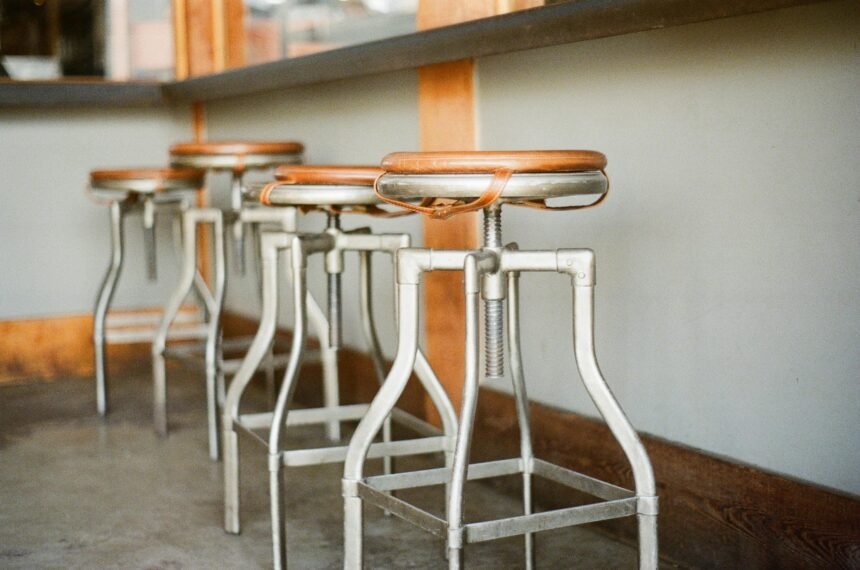
Why Durability Matters in Industrial Bar Stools for Commercial Settings
In busy restaurants, bars, and hospitality venues, seating is used continuously throughout the day. Durability becomes a critical factor because furniture must withstand frequent movement, weight shifts, and daily cleaning routines. Industrial bar stools are commonly selected for commercial settings because they are designed with strength and stability in mind. When seating fails prematurely, it not only creates replacement costs but can also interrupt service and impact guest safety. Choosing durable stools helps operators maintain a consistent dining experience without constant repairs. Durability also supports long-term visual appeal, as worn or damaged seating can negatively affect a brand’s image. By focusing on commercial-grade construction from the start, businesses can reduce downtime and extend the lifespan of their seating. Well-built industrial bar stools provide peace of mind, ensuring that daily use does not compromise performance or reliability.
Heavy-Duty Materials Used in Industrial Bar Stools
The materials used in industrial bar stools play a major role in their ability to handle daily commercial use. Metal frames, especially steel, are favored for their resistance to bending, cracking, and long-term fatigue. Many designs pair metal with solid wood, engineered wood, or reinforced composite seats to balance strength with visual warmth. These materials are chosen not only for durability but also for their ability to handle spills, impacts, and frequent cleaning. Protective coatings and sealants further enhance material performance by guarding against moisture, rust, and surface damage. In high-use environments, thinner or decorative materials often fail quickly, leading to instability. Selecting stools built from heavy-duty components ensures consistent performance over time. When quality materials are prioritized, industrial bar stools remain dependable even in fast-paced commercial environments.
Frame Construction That Supports Daily Use
Beyond materials, frame construction determines how well industrial bar stools perform under constant use. Welded joints are especially important, as weak connections are often the first points of failure in commercial seating. Reinforced welds and well-balanced designs help distribute weight evenly, reducing stress on individual components. Crossbars and integrated footrests add stability while also supporting guest comfort. A properly constructed frame prevents wobbling, which can cause discomfort and safety concerns. In daily service environments, stools are frequently pushed, pulled, and repositioned, making structural integrity essential. Designs that focus on simplicity often outperform overly complex frames, as fewer moving parts mean fewer opportunities for failure. Strong construction ensures that industrial bar stools remain steady and functional, even after years of repeated use in demanding settings.
Industrial Bar Stools Designed for High-Traffic Environments
High-traffic environments require seating that can handle constant turnover without losing performance. Industrial bar stools are often designed with streamlined profiles that allow staff and guests to move easily through crowded spaces. Weight capacity is a key consideration, as stools must safely accommodate a wide range of users throughout the day. Stackable or lightweight designs can also improve efficiency during cleaning or reconfiguration. In busy bars and restaurants, seating must support quick entry and exit without tipping or shifting. Non-slip feet and balanced proportions help maintain stability on different floor surfaces. By focusing on practical design elements, industrial bar stools support smooth operations during peak hours. Seating that performs reliably in high-traffic areas contributes to better workflow, improved safety, and a more comfortable guest experience.
Finishes and Coatings That Extend the Life of Industrial Bar Stools
Finishes and coatings are essential for protecting industrial bar stools from daily wear and tear. Powder-coated metal finishes are commonly used in commercial settings because they resist scratches, chipping, and corrosion. Matte or distressed finishes can also help conceal minor scuffs, keeping seating looking presentable longer. For wood or composite seats, sealed surfaces prevent stains and moisture absorption, which is especially important in food and beverage environments. Outdoor or semi-outdoor spaces require weather-resistant coatings that handle humidity and temperature changes. The right finish reduces maintenance demands while extending the overall lifespan of the stool. When finishes are chosen with performance in mind, industrial bar stools maintain both function and appearance, even after years of heavy commercial use.
Long-Term Value and Maintenance of Industrial Bar Stools
Investing in well-built seating delivers long-term value for commercial operators. Industrial bar stools designed for durability often require less frequent replacement, lowering overall ownership costs. Easy maintenance is another key advantage, as smooth surfaces and sturdy construction simplify daily cleaning. Routine inspections, such as checking fasteners and footrests, help identify minor issues before they become costly repairs. Seating that holds up well over time supports a consistent brand image and avoids the disruption caused by frequent furniture changes. While initial costs may be higher for commercial-grade options, the long-term savings often outweigh the upfront investment. By choosing seating with durability and maintenance in mind, businesses ensure that industrial bar stools remain a reliable part of their operation for years.
Conclusion
Daily commercial use places heavy demands on seating, making durability a top priority for restaurants and bars. Industrial bar stools meet these demands by combining strong materials, reinforced construction, and protective finishes that withstand constant wear. From high-traffic service areas to extended hours of operation, well-designed stools support both efficiency and guest comfort. Focusing on long-term value rather than short-term cost helps operators avoid frequent replacements and maintenance issues. Seating that performs consistently also contributes to a professional, well-maintained atmosphere that guests notice. By selecting industrial bar stools built specifically for commercial environments, businesses create a reliable foundation for daily service. The right choice supports smooth operations, enhances safety, and ensures that seating remains dependable through years of demanding use.