



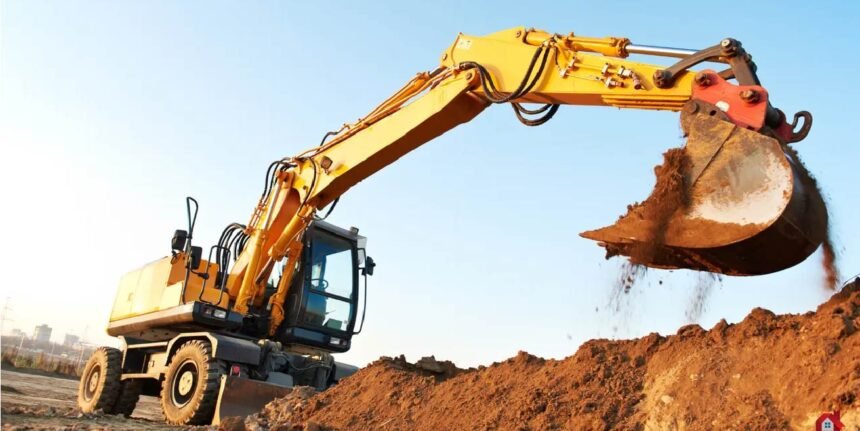
When we picture the beginning of any construction project, we often imagine the final product—a new building, road, or structure coming to life. But what’s far less visible, though just as vital, is what happens before a single brick is laid. Beneath every stable structure is a foundation, and before that foundation is poured, a critical process must take place: excavation.
Excavation isn’t just about digging a hole in the ground—it’s about understanding the land, evaluating its stability, managing environmental risks, and preparing it for long-term, heavy-duty construction. Whether it’s a massive commercial development or a small residential project, successful builds rely on precise and professional groundwork.
At the core of this preparation is the excavation contractor, the specialist responsible for turning raw land into build-ready terrain. Their role may be behind the scenes, but without them, nothing above the surface would stand a chance.
The Science and Strategy of Excavation
Excavation is a complex process involving more than just heavy equipment and manual labor. It’s a calculated, highly technical discipline that blends engineering, geology, and environmental science.
Before any excavation begins, a detailed site analysis must occur. This includes:
- Soil Testing: To assess compaction, moisture levels, and load-bearing capacity.
- Site Surveying: To map out boundaries, elevations, and drainage.
- Utility Locating: To ensure no underground pipes or electrical lines are damaged.
- Erosion Control Planning: Especially critical for sites near water or on slopes.
Once the site is deemed safe and ready, the excavation begins—removing soil, rock, and debris to create a flat, secure surface. Depending on the project, this might also involve trenching for plumbing and electrical work, grading to ensure proper drainage, and even blasting through rock.
All of this requires careful coordination and compliance with building codes, safety standards, and environmental regulations.
Why Professional Excavation Matters
Cutting corners on excavation can result in costly, dangerous consequences. Improper site prep can lead to:
- Foundation cracks or collapse
- Poor drainage and water damage
- Structural instability
- Cost overruns from rework or delays
- Legal and insurance issues
That’s why hiring a qualified excavation contractor is a non-negotiable for any serious construction effort.
What Sets a Skilled Excavation Contractor Apart?
A seasoned excavation contractor brings far more than machinery to the job site. Their value lies in their ability to evaluate terrain, problem-solve in real time, and coordinate with other trades.
Here are the key qualities of a high-quality excavation specialist:
1. Experience Across Project Types
Excavation work isn’t one-size-fits-all. A great contractor understands the differences between prepping land for a house versus a commercial complex or an infrastructure project. They know how to adjust techniques based on land composition, climate conditions, and project scale.
2. Advanced Equipment and Technology
The best contractors use GPS-guided excavators, 3D site mapping tools, and remote-controlled machinery for increased accuracy and safety. Their equipment is well-maintained and regularly updated to meet evolving project demands.
3. Thorough Planning and Communication
Excavation doesn’t happen in isolation. A skilled contractor works closely with architects, engineers, utility companies, and city inspectors to ensure everyone is aligned. Clear communication keeps projects on time and on budget.
4. Commitment to Safety
Excavation can be dangerous. From deep trenches to unstable soil, risks are always present. A professional contractor prioritizes site safety with proper PPE, daily safety checks, and compliance with OSHA regulations.
5. Problem-Solving Under Pressure
No two job sites are the same. Weather, unexpected underground obstacles, or changes in the building plan can all impact excavation. A trusted excavation contractor adapts quickly and solves problems without sacrificing quality.
The Phases of a Typical Excavation Project
Understanding the typical flow of an excavation project can help clients know what to expect—and why each stage matters.
1. Site Evaluation and Planning
The contractor assesses the land, reviews the blueprints, and creates a plan that outlines excavation depth, grading needs, and utility paths. Permits are secured, and any necessary inspections are scheduled.
2. Clearing and Grubbing
Trees, stumps, rocks, and debris are removed from the site to create a clean slate. This step often includes erosion control measures, like silt fences or temporary drainage.
3. Excavation Begins
Using excavators, backhoes, bulldozers, and loaders, the contractor digs to the required depth. This may include basements, trenches, or large pits depending on the structure.
4. Grading and Compaction
Once digging is complete, the site is leveled and the soil is compacted to ensure a stable base. Proper grading ensures water will drain away from the future structure rather than pooling beneath it.
5. Utility Trenching
If the project includes water, sewer, gas, or electrical lines, trenches are dug, and pipes or conduits are installed before the foundation is poured.
6. Final Inspections and Backfilling
Inspections ensure that excavation meets engineering and code requirements. Once approved, any necessary backfill is added, compacted, and graded again for a smooth, build-ready surface.
Excavation in Specialized Environments
Some excavation projects require even greater levels of skill and preparation, such as:
- Urban Excavation: Limited space, underground utilities, and existing infrastructure add complexity.
- Wetland or Coastal Areas: These sites demand environmental sensitivity and erosion control expertise.
- Sloped or Rocky Terrain: Requires precision machinery and geological knowledge.
- Demolition Sites: Must safely remove old structures while preparing for new construction.
The right excavation contractor will know how to navigate these challenges without compromising on safety or timelines.
Environmental Considerations and Sustainability
Modern excavation practices are evolving to include sustainability as a core principle. Contractors are more mindful of:
- Erosion control to protect surrounding ecosystems
- Stormwater management to reduce pollution
- Recycling and reusing soil or fill materials
- Minimizing fuel use through equipment upgrades and efficient planning
This not only protects the environment but can also lead to cost savings and regulatory benefits for clients.
How to Choose the Right Excavation Partner
If you’re a builder, developer, or property owner, choosing the right excavation partner is one of the most important decisions you’ll make. Here’s what to look for:
✅ Credentials and Licensing
Ensure the contractor is properly licensed and insured for excavation work. They should also have specific training in excavation safety and regulations.
✅ Proven Track Record
Ask for examples of past projects, especially those similar to yours. Look at reviews, testimonials, and case studies.
✅ Transparent Estimates
A reputable contractor will provide a detailed breakdown of costs, timelines, and potential variables that could affect the project.
✅ Communication and Professionalism
You want a contractor who responds promptly, communicates clearly, and works collaboratively with other professionals on your project.
✅ Safety Commitment
Look for a company with a strong safety record, documented procedures, and a proactive approach to risk management.
Final Thoughts
Excavation is where every construction project truly begins. It may not be the most glamorous stage, but it’s certainly one of the most critical. A properly excavated site sets the stage for structural integrity, longevity, and safety.
From soil analysis to final grading, the excavation process demands expertise, planning, and precision. It’s not a job that should be rushed or taken lightly.
That’s why partnering with a trusted excavation contractor in coral springs is one of the smartest decisions any builder or property owner can make. With the right expertise and equipment behind you, your project won’t just get off the ground—it will rise on solid ground, ready to stand the test of time.