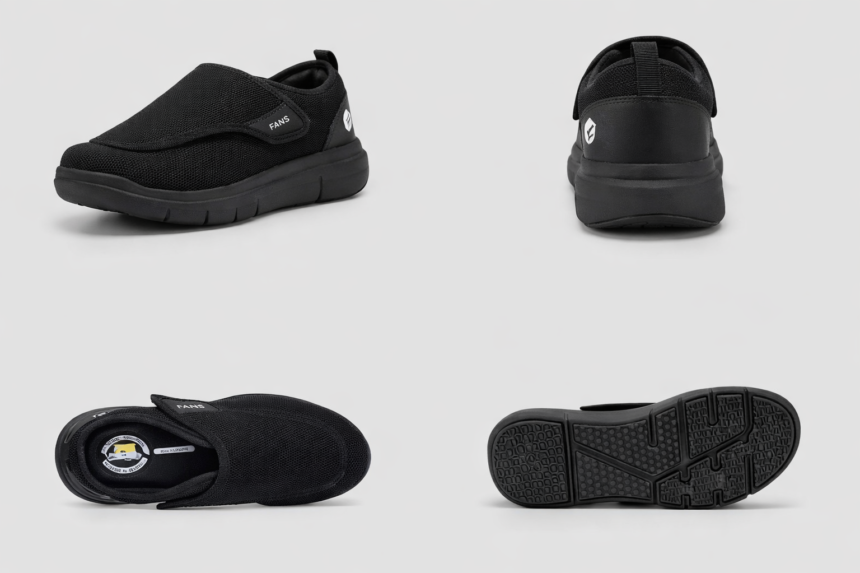
Most people don’t wake up and decide to “get into orthopedic shoes.” They arrive there after a pattern repeats.
Maybe your heels feel sore after errands. Maybe your arches feel stretched by the evening. Maybe you’ve started skipping walks you used to enjoy, not because you’re unmotivated, but because your feet punish you for it.
Walking is supposed to be a simple habit. Put shoes on, step outside, clear your head. When footwear makes walking harder, your body does what it always does. It adapts. You shorten your stride, shift your weight, and walk around in discomfort. That compensation can creep upward into ankles, knees, hips, and lower back over time.
Orthopedic walking shoes are basically a way of stopping that slow leak. Not by being magical. By being built with different priorities: better fit, better stability, better pressure management.
This guide is for beginners, meaning you don’t need to know every foot term or read ten reviews. You just need to understand what matters, why it matters, and how the right pair pays off over months and years.
What “orthopedic” means in walking shoes
The word “orthopedic” gets used loosely online, so it helps to define it in a practical way.
In everyday walking footwear, “orthopedic” usually points to shoes designed to:
- Reduce stress on common problem zones (heel, arch, ball of foot)
- Improve stability and alignment during walking
- Lower friction and pressure points
- Accommodate real-world foot needs like swelling, wide forefeet, bunions, high insteps, or orthotics
It’s not a medical diagnosis in shoe form. It’s a supportive construction aimed at the most common pain triggers.
A helpful baseline for fit comes from orthopaedic guidance: stable heel hold, roomy toe box, and about half an inch of space in front of the longest toe.
Why “supportive shoes” can change how your whole day feels
A lot of men and women describe foot pain as “just my feet.” But feet are load-bearing foundations. If the foundation is irritated, everything above it works harder.
Supportive footwear can help in three ways that people notice quickly.
1) Less heel and arch strain
Plantar heel pain and plantar fasciitis are common reasons people start searching for better shoes. NHS advice for plantar fasciitis includes wearing shoes with cushioned heels and good arch support.
That’s not niche advice. It’s the basic mechanics of reducing strain.
2) Fewer pressure spikes and hotspots
Pressure doesn’t just hurt. Pressure creates predictable damage when it’s repeated daily. That’s why therapeutic footwear is used in higher-risk populations to reduce plantar pressure. Classic research has shown that therapeutic footwear can reduce plantar pressures compared with regular shoes.
You don’t need to be “high risk” to benefit from lower pressure. It simply makes walking feel calmer.
3) More stable walking on real surfaces
Sidewalks, tiles, office floors, uneven pavement. Stability isn’t a luxury. It’s what keeps your body from constantly correcting itself.
AAOS guidance highlights the role of the heel counter and toe box in stability and fit.
Who should consider orthopedic walking shoes?
Beginners often assume this category is only for older people. It isn’t. It’s for anyone who has to live in their shoes for hours.
Orthopedic walking shoes are especially worth considering if you:
- Walk daily (commuting, errands, travel, fitness walks)
- Stand for work on hard floors
- Get heel pain in the morning or after long days
- Feel forefoot burning or toe squeeze late in the day
- Have wide feet, swelling, bunions, or a high instep
- Wear orthotics or plan to use supportive insoles
- Have diabetes, neuropathy, or reduced sensation
On that last point, diabetes foot-care guidance consistently stresses protective footwear habits. NIDDK advises wearing shoes and socks at all times and regular foot checks.
The American Diabetes Association also emphasises always wearing socks and shoes, including indoors, to prevent injury.
The long-term benefits you actually get from wearing better walking shoes
Long-term benefits are rarely glamorous. They are the quiet wins you feel after months.
You walk more because walking stops feeling like a chore
A lot of people don’t quit walking because they’re lazy. They quit because it hurts. When shoes reduce discomfort, consistency gets easier. That consistency is where the real health benefits live.
Your feet “settle down” instead of flaring up
With better pressure distribution and fewer friction points, you usually see less of the recurring cycle: hotspot, blister, rest, repeat.
For people at higher risk of skin breakdown, pressure relief is one of the key goals of therapeutic footwear. The research on diabetic therapeutic footwear is explicit that it aims to reduce ulceration risk by relieving mechanical pressure.
Less compensation in gait
When one part hurts, you subconsciously shift weight. Over time, compensations can contribute to secondary aches. Good shoes don’t “fix posture” by magic, but they remove a reason your body keeps adjusting.
Better tolerance for long days
Even if you’re not “active,” daily life includes a lot of time on your feet. Orthopedic walking shoes are often a quality-of-life upgrade for workdays, travel days, and weekends that involve standing around.
You protect your future self
This is the boring truth: small daily stressors compound. Shoes that reduce repetitive stress are a simple way to invest in mobility long-term.
What features matter most (and what you can ignore)
Marketing will throw a lot at you. Keep your focus on a few fundamentals.
Fit and toe room
You want toe freedom. AAOS recommends roughly half an inch between the longest toe and the tip of the shoe. If you feel your toe squeeze in the shop, it rarely becomes better at home.
Heel counter stability
The heel counter is the back structure that holds the heel. If it’s too soft, your heel can wobble or slip, which creates friction and instability. AAOS calls out the heel counter grip as part of stability.
Cushioning with control
More cushion is not always better. You want shock absorption without feeling like you’re balancing on a mattress. If you turn quickly and the shoe feels wobbly, that’s a red flag.
Arch and midfoot support
You’re not looking for a hard arch that annoys you. You’re looking for a footbed that supports without creating pressure points. For plantar fasciitis-style heel pain, supportive footwear is a standard recommendation.
Depth and volume
If your foot feels squeezed on top, you may need extra depth, not just width. This is common with high insteps, swelling, and orthotics.
Traction that matches your life
If you walk on smooth tiles or wet pavements, outsole grip matters. It’s not exciting, but it changes confidence.
How to choose your first pair, step by step
This is the simplest approach that avoids most mistakes.
1) Try shoes later in the day
Feet often swell as the day goes on. If you try on shoes early morning only, you risk buying a pair that feels tight by evening.
2) Wear your normal socks
Don’t test shoes with thin socks if you wear thicker ones in real life.
3) Fit the larger foot
Most people have one foot slightly bigger.
4) Do a real walking test
Don’t just stand. Walk briskly, turn, stop suddenly, then walk again. If a hotspot shows up fast, treat it as real.
5) Don’t “plan” to break them in
A little stiffness is normal. Pressure points are not. Fit problems usually get louder over time, not quieter.
If you want a straightforward starting point to compare styles built around stability and everyday walking, you can browse orthopedic walking shoes and then narrow down based on toe room, heel security, and cushioning feel.
Breaking them in without causing problems
Beginners often go from “new shoes” to a long walk on day one. Don’t.
A safer approach:
- Wear them indoors for short periods first.
- Take a short walk, then inspect your feet for red marks or hotspots.
- Increase time gradually over a week.
If you spot redness that matches a seam or edge, treat it as a warning. Don’t push through and hope it disappears.
When you should talk to a professional
Shoes help. They don’t replace medical care.
Get advice if you have:
- Persistent or worsening pain
- Numbness, burning, or reduced sensation
- Wounds, skin colour changes, swelling that’s unusual
- Diabetes with a history of ulcers or severe neuropathy
For diabetes, the basic foot-care rules are not optional. NIDDK stresses daily checks and wearing shoes and socks at all times.
FAQ
Are orthopedic walking shoes only for older people?
No. They’re for anyone who needs more stability, a better fit, or lower pressure and friction. Many younger people buy them after heel pain, standing jobs, or long walking commutes.
Can orthopedic walking shoes help plantar fasciitis?
Supportive footwear is commonly recommended as part of plantar fasciitis self-care. The NHS advises shoes with cushioned heels and good arch support.
Shoes won’t fix every case, but they often reduce aggravation.
How do I know if I need wide or extra depth?
If the sides of your forefoot feel squeezed, you likely need width. If the top of your foot feels pressed or your toes rub the roof of the shoe, you may need extra depth.
Should I size up for comfort?
Not automatically. If the length is correct, sizing up can cause heel slip and blisters. Use width and depth options first, then reassess.
Are orthopedic walking shoes useful if I use orthotics?
Yes, especially if the shoe has removable insoles and enough depth. Orthotics need space, and cramped shoes can make inserts feel worse, not better.
Do I need to wear them indoors too?
If you have diabetes or reduced sensation, indoor protection is strongly recommended. NIDDK advises wearing shoes and socks at all times, and the ADA also emphasises always wearing socks and shoes, even indoors, to prevent injury.
How long should a good pair last?
It depends on how much you walk and how the midsole wears. If cushioning feels “dead,” traction is worn smooth, or new aches appear at the same distance each walk, it’s usually time to replace.
Wrapping up
If you’re new to orthopedic footwear, keep your goal simple: find a walking shoe that lets you forget about your feet.
Roomy toes, stable heel, controlled cushioning, and a fit that still feels good at the end of the day. Those basics are the difference between walking being a habit you keep and walking being something you quietly avoid.