



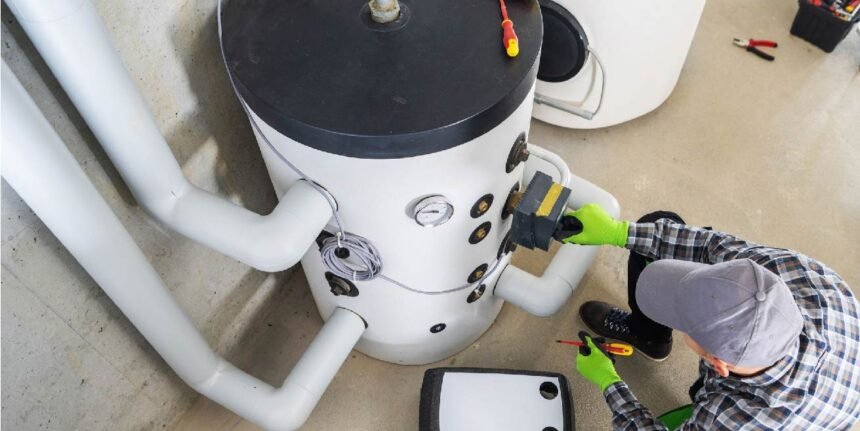
In every modern household, hot water is not a luxury—it’s a necessity. From showers and dishwashing to laundry and general cleaning, we rely on our water heaters every single day. But like all appliances, water heaters don’t last forever. At some point, they begin to fail—whether through inefficiency, age, or complete breakdown—signaling that it’s time for a water heater replacement.
Understanding when and why to replace your water heater, what options are available, and how to ensure a seamless upgrade can save you time, money, and frustration. This comprehensive guide walks you through everything you need to know, so you can make informed decisions that suit your household’s needs.
Signs It’s Time for a Water Heater Replacement
The first step in dealing with a failing water heater is recognizing the signs that it needs to be replaced. Ignoring these symptoms can lead to more severe problems, such as water damage or energy waste.
1. Inconsistent or No Hot Water
If your water heater is struggling to provide hot water or delivers only lukewarm water, that’s a clear red flag. Sediment build-up, malfunctioning heating elements, or a failing thermostat can be to blame. While some issues are repairable, ongoing problems often indicate it’s time for a replacement.
2. Age of the Water Heater
Most traditional tank-style water heaters last between 8 to 12 years, while tankless models may last up to 20 years with proper maintenance. If your unit is approaching or has exceeded its lifespan, a new system is likely more efficient and cost-effective in the long run.
3. Strange Noises
A rumbling or banging noise is typically caused by sediment build-up at the bottom of the tank. Over time, the sediment hardens, reducing the efficiency and lifespan of the heater.
4. Leaks Around the Unit
Moisture or pooling water near the base of your water heater is often a sign of internal tank failure. Once a tank leaks, repairs are rarely an option—replacement becomes a necessity.
5. Rising Utility Bills
Older water heaters lose efficiency over time, meaning they use more energy to provide the same amount of hot water. If your energy bills have been creeping up, your water heater could be the culprit.
Understanding the Different Types of Water Heaters
Choosing the right replacement unit depends on your household’s needs, available energy sources, and long-term goals. Here are the primary types of water heaters available:
1. Storage Tank Water Heaters
This is the most common type, featuring an insulated tank that stores hot water for use when needed. These units come in various sizes and are generally less expensive upfront but less energy-efficient than newer alternatives.
2. Tankless (On-Demand) Water Heaters
Tankless models heat water only when needed, eliminating standby heat loss. These units are compact and energy-efficient, making them ideal for smaller homes or energy-conscious households. The initial cost is higher, but savings accumulate over time.
3. Heat Pump Water Heaters (Hybrid)
These use electricity to move heat from the air or ground into the water, offering significant energy savings. However, they require more space and a mild climate to operate effectively.
4. Solar Water Heaters
Solar systems use energy from the sun to heat water, significantly reducing utility bills. While they offer long-term benefits, installation costs and system complexity can be a barrier for some homeowners.
5. Condensing Water Heaters
Designed for homes that use natural gas, condensing heaters are highly efficient and use exhaust gases to help heat water, lowering overall energy consumption.
Choosing the Right Size for Your Water Heater
Selecting a unit that is too small will result in frequent shortages of hot water. Conversely, an oversized unit will waste energy and money. When planning your water heater replacement, consider the following:
- Household Size: A family of four will need a larger tank (40-50 gallons) compared to a single individual or couple (30-40 gallons).
- Hot Water Usage Habits: Frequent long showers, simultaneous appliance usage, or high laundry demands increase your required capacity.
- Recovery Rate: This indicates how quickly a water heater can reheat a full tank. Higher recovery rates are essential for large families.
For tankless units, flow rate (measured in gallons per minute or GPM) replaces storage capacity. A professional can help you assess your average household usage and match it with the correct GPM.
Installation: What to Expect During a Water Heater Replacement
Once you’ve selected the type and size of water heater that suits your needs, the next step is installation. Here’s a general overview of what to expect:
Step 1: Evaluation and Preparation
A technician will assess your current system, including plumbing, electrical, and gas connections, to determine compatibility with your new unit. If code violations or infrastructure upgrades are needed, these will be addressed before proceeding.
Step 2: Removing the Old Unit
Your old water heater will be safely disconnected and removed. This includes draining the tank, detaching connections, and preparing the area for the new unit.
Step 3: Installing the New Heater
The new system is placed and connected, ensuring it meets manufacturer specifications and local safety regulations. For tankless or hybrid models, this may also involve electrical work or wall-mounted installations.
Step 4: Testing and Calibration
After installation, the technician will test water flow, temperature settings, and safety mechanisms. If the unit includes digital controls or smart home connectivity, these will be set up as well.
Step 5: Clean-Up and Disposal
Reputable contractors will dispose of your old unit responsibly and leave the area clean and operational.
Maintenance Tips to Extend the Life of Your New Water Heater
After your water heater replacement, it’s important to take steps that maximize the lifespan and efficiency of your new unit.
Flush the Tank Annually
If you have a tank-style heater, flushing it once a year helps remove sediment that reduces efficiency and causes damage over time.
Inspect the Anode Rod
This sacrificial rod prevents corrosion inside the tank. Replacing it every few years can significantly extend the life of the heater.
Check Temperature Settings
Most manufacturers set the default temperature at 140°F, but lowering it to 120°F can reduce energy use and prevent scalding.
Test the Pressure Relief Valve
This safety feature should be checked annually to ensure it opens properly and prevents dangerous pressure build-up.
Insulate Pipes and the Tank
Adding insulation helps retain heat and reduces standby heat loss, especially in colder climates or older homes.
Energy Efficiency and Long-Term Cost Savings
Modern water heaters are far more energy-efficient than those made a decade ago. Many models carry the ENERGY STAR® certification, ensuring compliance with strict energy-saving guidelines.
Even though newer units may come with a higher upfront cost, the reduction in energy consumption results in:
- Lower utility bills
- Less environmental impact
- Potential tax credits or rebates
- Increased home value
An efficient water heater replacement is a long-term investment that can pay dividends for years.
Common Mistakes to Avoid
When replacing a water heater, there are a few pitfalls that homeowners should be aware of:
- Ignoring Codes and Permits: Water heater installations often require permits and inspections to ensure safety and compliance.
- DIY Installation Without Experience: This can lead to water leaks, electrical issues, or even gas hazards.
- Choosing the Wrong Size or Type: An undersized or oversized unit will result in inefficiency and dissatisfaction.
- Overlooking Maintenance Needs: Even new heaters require regular maintenance to stay efficient and reliable.
Avoiding these mistakes ensures your new water heater functions effectively and lasts as long as possible.
Final Thoughts
A water heater replacement in Mission is one of the most impactful home upgrades you can make. It improves comfort, efficiency, safety, and overall property value. Whether you’re dealing with an aging unit, rising energy bills, or sudden failure, knowing your options and understanding the replacement process can help you make the best decision for your home.
From choosing the right type and size to understanding installation and maintenance, a well-planned replacement ensures that your home stays supplied with hot water whenever you need it—reliably and efficiently.
If you’re considering an upgrade, take the time to research, consult a professional, and invest in a system that matches your long-term needs. The result is not just hot water on demand, but peace of mind for years to come.