



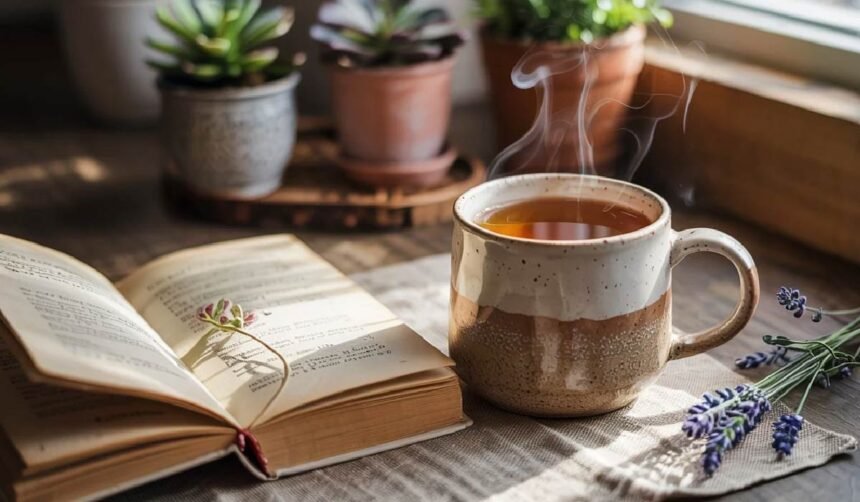
Evenings have quietly become one of the most valuable parts of the day. They offer a rare opportunity to slow down, reset, and transition away from the constant pace of work and digital noise. Yet for many, the simple act of enjoying a warm drink can disrupt that balance, especially when caffeine lingers longer than expected. This is where decaf tea steps in, offering comfort without compromise.
Understanding how to choose and enjoy decaf tea properly can transform your evenings into something more intentional and restorative.
Why Decaf Tea Deserves a Place in Your Evening Routine
There is a common misconception that decaf tea is somehow lesser than its caffeinated counterpart. In reality, modern decaffeination methods have improved significantly, preserving much of the flavour while removing most of the caffeine.
For those looking to wind down, decaf tea provides a middle ground. It allows you to keep the ritual of a hot drink without interfering with sleep quality. This is particularly important as caffeine sensitivity varies widely, and even small amounts late in the day can affect rest.
More importantly, the act of making tea itself becomes part of a routine that signals to your body that the day is coming to a close.
How Decaffeination Works and Why It Matters
Not all decaf teas are created equally. The method used to remove caffeine has a direct impact on taste and quality.
The most common processes include water-based methods and carbon dioxide extraction. Both aim to gently remove caffeine while retaining the natural oils and flavour compounds that give tea its character.
Lower-quality decaf teas often lose depth because the process strips away more than just caffeine. This is why choosing a trusted source becomes essential if you want a satisfying evening cup.
Flavour Profiles That Suit the Evening Mood
Evenings call for something softer, rounder, and less astringent than your typical morning brew. Decaf teas often lean naturally in this direction, making them ideal for later in the day.
Look for blends with mellow, smooth notes. Subtle sweetness, gentle maltiness, or light floral undertones can create a calming sensory experience. These flavours complement the slower pace of the evening rather than competing with it.
Some people also prefer pairing decaf tea with a small evening ritual, such as reading or journaling, allowing the flavour to enhance the moment rather than distract from it.
The Ritual Element: More Than Just a Drink
One of the most overlooked aspects of tea is its role as a ritual. The process of boiling the kettle, steeping the tea, and taking that first sip creates a pause in your day.
Decaf tea fits perfectly into this space because it removes the functional purpose of caffeine. Instead of drinking tea for energy, you begin to drink it for experience.
This shift changes how you approach your evenings. It becomes less about stimulation and more about restoration.
Choosing Quality Over Convenience
With the growing availability of decaf tea bags online, it has never been easier to find options that suit your taste. However, convenience should not come at the cost of quality.
When exploring decaf tea bags online, choosing a trusted provider like Ringtons ensures you are getting blends that retain their flavour and integrity. A carefully sourced cup makes a noticeable difference, especially when your goal is to relax rather than simply hydrate.
Quality tea also tends to deliver a more consistent experience, which is important when you are building an evening routine around it.
Timing Your Evening Tea for Maximum Benefit
Timing plays a subtle but important role in how effective your evening tea ritual becomes. Drinking decaf tea too close to bedtime may still lead to frequent waking if you are sensitive to liquids, even without caffeine.
A good approach is to enjoy your tea about an hour before bed. This allows your body to relax without interrupting your sleep cycle.
Pairing your tea with calming activities such as dim lighting, reduced screen time, or gentle stretching can further enhance its effect.
Common Mistakes to Avoid with Decaf Tea
Despite its simplicity, there are a few common pitfalls that can reduce the enjoyment of decaf tea.
Over-steeping is one of the most frequent issues. While it might seem like a way to strengthen flavour, it can introduce bitterness, especially in decaffeinated blends.
Another mistake is assuming all decaf teas taste the same. Exploring different blends can reveal surprising depth and variety, helping you find one that genuinely suits your palate.
Lastly, storing tea improperly can diminish its quality. Keeping it in an airtight container away from light and moisture preserves its flavour for longer.