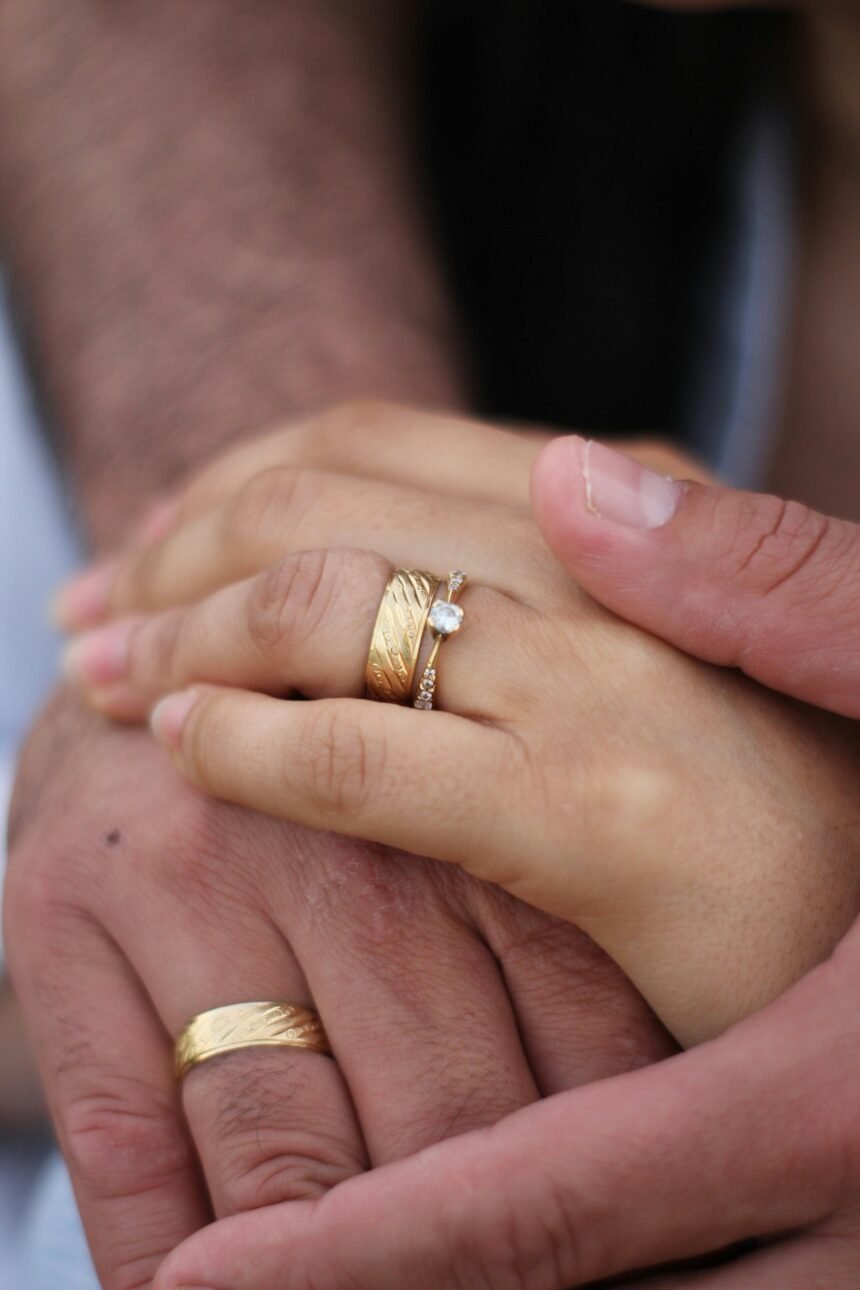
Choosing a wedding band ranks among the most significant jewelry decisions you’ll ever make. Unlike those accessories that make occasional appearances in your wardrobe, your wedding band becomes a constant companion, one that’s with you through morning coffee, afternoon meetings, evening workouts, and everything in between. Here’s the thing: finding the perfect ring isn’t just about falling in love with a design or staying within budget. It’s about discovering a piece that genuinely fits into the rhythm of your daily life, your profession, your hobbies, and yes, even your quirks.
Understanding Your Daily Activities and Profession
Your job plays a bigger role in choosing your wedding band than you might initially think. If you’re someone who works with their hands regularly, whether that’s in construction, mechanics, or carpentry, durability and safety should top your priority list. Rings crafted from harder materials like tungsten or titanium resist scratches far better than traditional gold, keeping that fresh appearance despite the daily grind. For healthcare professionals or anyone in food service where hygiene isn’t negotiable, smooth bands without intricate designs make cleaning easier and don’t become breeding grounds for bacteria.
Matching Metal Types to Your Activity Level
The metal you choose for your wedding band isn’t just about aesthetics; it’s a practical decision that impacts how your ring holds up against your lifestyle. Traditional precious metals like yellow gold, white gold, and platinum each bring their own strengths and weaknesses to the table, depending on how active your daily routine is. Platinum stands out as the heavyweight champion of durability among precious metals, resisting wear while being naturally hypoallergenic, which makes it perfect for those with sensitive skin or active lifestyles. That said, platinum develops a patina over time, a characteristic that some people absolutely love while others prefer to polish away regularly.
Considering Width and Profile for Comfort
The physical dimensions of your wedding band, specifically its width and profile, directly impact how comfortable it feels throughout your day and over the long haul. Width typically ranges from delicate two-millimeter bands all the way up to bold eight-millimeter statement pieces, with the four-to-six-millimeter sweet spot being most popular for everyday wear. Narrow bands generally feel lighter and less noticeable, making them excellent choices for people who aren’t accustomed to wearing jewelry or those with smaller hands and fingers. Wider bands make a stronger visual statement and tend to feel more substantial, though they might require an adjustment period if you’ve never been a regular ring wearer.
Factoring in Personal Style and Long-Term Wearability
While practical considerations are undeniably important, your wedding band should also reflect who you are and remain stylish throughout all the decades you’ll wear it. Classic, simple designs tend to age gracefully and never really go out of fashion, they’re safe bets if you’re thinking about long-term relevance. Contemporary designs featuring unique finishes, mixed metals, or geometric patterns can express your individuality beautifully, though it’s worth asking yourself whether those distinctive features will still resonate with you in twenty or thirty years. When selecting from various mens wedding bands , professionals who need to balance style with daily durability often find themselves drawn to options that deliver both visual appeal and practical resilience. The finish of your band, whether polished, brushed, hammered, or matte, affects both its appearance and how much maintenance it’ll need over time. Polished finishes offer maximum shine and brilliance but show scratches more prominently, requiring more frequent professional polishing to maintain that luster. Brushed and matte finishes develop a more subtle appearance that actually camouflages minor scratches and wear, making them lower-maintenance options for busy lifestyles. Consider whether you want your wedding band to coordinate with other jewelry you regularly wear, watches, bracelets, or your engagement ring if that applies. Some folks prefer their wedding band to blend seamlessly with their existing jewelry collection, while others view it as a standalone piece that doesn’t need to match anything else. Your personal style preference should guide this decision, but here’s a tip: simplicity often provides the most versatility when pairing with different accessories and outfits throughout various life stages.
Accommodating Hobbies and Athletic Activities
Your recreational pursuits and athletic activities deserve careful thought when selecting a wedding band that won’t interfere with your passions or put your ring at risk. Weightlifters, rock climbers, and anyone engaged in contact sports face unique challenges, traditional metal rings can bend, scratch surfaces, or potentially cause ring avulsion injuries during intense physical activity. Silicone wedding bands have emerged as popular alternatives for athletes and outdoor enthusiasts, offering a safe, flexible option that can be worn during activities where traditional metal rings would be impractical or downright dangerous. Many active individuals have embraced the multiple-band approach, keeping a traditional metal band for everyday wear and formal occasions, plus a silicone or alternative material band for workouts, sports, and outdoor adventures.
Budgeting for Lifestyle-Appropriate Options
Financial considerations naturally intersect with lifestyle factors when determining the most appropriate wedding band investment for your specific circumstances. While precious metals like platinum command premium prices, their durability and timeless appeal might actually justify that higher initial cost if you’re planning to wear the same ring for a lifetime. Alternative metals like tungsten and titanium offer exceptional value, providing scratch-resistant durability at a fraction of the cost of traditional precious metals, though keep in mind they can’t be resized if your finger size changes down the road. Those with active lifestyles who anticipate potential damage to their rings might prefer investing less in their primary band while purchasing a quality silicone backup for high-risk activities.
Conclusion
Selecting a wedding band that truly matches your lifestyle requires thoughtful consideration of your daily activities, profession, hobbies, and personal preferences, but it’s worth taking the time to get it right. The perfect ring strikes that balance between aesthetic appeal and practical functionality, ensuring comfort and durability through all of life’s adventures. By honestly assessing how you spend your time, determining which materials best suit your needs, and identifying design elements that align with your long-term style, you can choose a wedding band that seamlessly integrates into your life rather than feeling like a burden or constant concern. Whether you opt for traditional precious metals, modern alternative materials, or maintain multiple bands for different contexts, the right choice is one that you’ll wear proudly and comfortably for decades to come.