



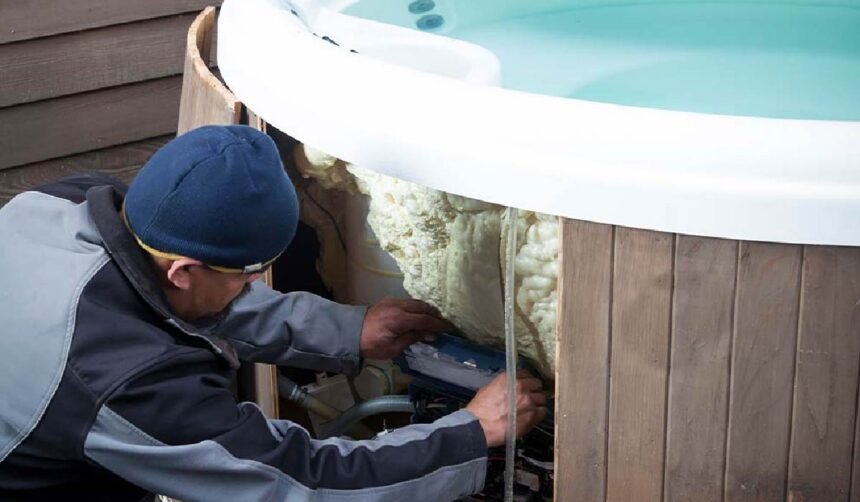
Installing a hot tub in your backyard is a great way to upgrade your outdoor space and create a relaxing retreat. However, before you enjoy your first soak, it’s essential to ensure the electrical wiring is properly installed. A safe and well-planned electrical setup is crucial for your hot tub to run efficiently and without risk. Poor installation can result in equipment failure, electrical hazards, or even fires. To avoid these risks, many homeowners hire professionals who specialize in hot tub wiring, guaranteeing the work meets local codes and is built to last.
Understanding Your Hot Tub’s Power Needs
Before any wiring begins, you need to determine the type of hot tub you own. Most backyard spas fall into one of two categories:
- 110V Plug-and-Play Models: These hot tubs plug into a standard outlet and don’t require any special wiring. However, they usually offer limited heating and jet power.
- 220V Hardwired Models: These require a dedicated electrical circuit and professional installation. They’re more powerful and can run multiple features at once without overheating or shutting down.
Many homeowners choose 220V models for their durability and advanced features, making professional hot tub wiring in Riverton crucial for long-term reliability.
The Role of GFCI Protection
Safety is paramount when dealing with electricity and water, making Ground Fault Circuit Interrupter (GFCI) protection essential for any hot tub installation. A GFCI detects electrical imbalances and instantly cuts power to prevent shock. These breakers are mandatory under national and local codes, particularly for outdoor setups. Install the GFCI at least five feet from the spa to prevent moisture damage and ensure easy access for maintenance.
Running the Right Type of Conduit and Wiring
Not all electrical wiring is created equal. Outdoor environments, with their fluctuating weather and seasonal changes, require weather-resistant materials.
Key materials include:
- PVC Conduit: Protects wires from water and physical damage.
- THWN-2 Wires: Rated for wet locations and can handle the higher temperatures associated with spa use.
- Proper Burial Depth: When running wires underground, conduit must be buried at a specific depth depending on local code and the type of wire used.
Using the wrong materials or cutting corners can cause frequent outages and dangerous conditions, so it’s best to hire a professional familiar with hot tub wiring.
Installation Must Follow Local Electrical Codes
Like most cities, it follows national electrical codes but may add extra requirements based on local conditions, such as:
- Specific grounding and bonding techniques
- Required distances between electrical panels and water features
- Height regulations for disconnect switches
- Permitting requirements before installation
Failure to meet these standards can lead to failed inspections, fines, or safety hazards. Hiring a licensed professional ensures your hot tub installation will meet all current codes.
Permits and Inspections
Before you begin wiring, contact local authorities to see if you need a permit. Most 220V hot tub installations require an electrical permit, followed by an inspection once the work is done. An inspector will verify that the wiring adheres to safety standards and building codes. This process not only protects your investment but also ensures your setup is safe to use.
Final Electrical Checklist Before Turning It On
Once the wiring is complete, make sure these final steps are covered before filling and powering up your hot tub:
- Test the GFCI breaker to ensure proper functionality
- Inspect all conduit and wiring for moisture seals
- Confirm that the hot tub control panel is responsive
- Check all connections for tightness and corrosion resistance
- Ensure that the disconnect switch is labeled and reachable
Taking time to review these final details will help prevent setbacks and get you soaking sooner.
Why Hire a Professional
DIY can be tempting, but electrical work, especially near water, is best left to professionals. Here’s why homeowners choose licensed electricians:
- Deep knowledge of local codes and safety regulations
- Proper tools and materials for long-lasting performance
- Reduced risk of injury or property damage
- Faster permitting and inspection process
- Peace of mind that everything is done right the first time
Hiring someone experienced in hot tub wiring means you’re getting specialized service tailored to your area’s specific needs.
Conclusion
Wiring a backyard hot tub requires more than simply connecting a few wires. It’s about ensuring a safe, efficient, and code-compliant setup that lasts for years. Whether installing a new system or upgrading an old one, working with professionals familiar with hot tub wiring standards ensures you can relax and enjoy your spa worry-free.