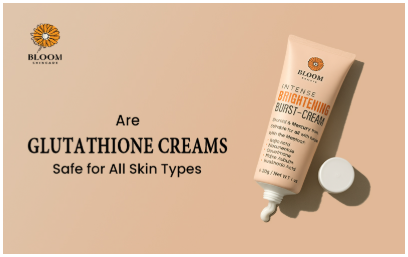
Radiant skin makes you appear confident and appealing, which influences your daily life and interactions with others. It has become a standard of beauty and, therefore, a dream for many because achieving a glowing, bright skin is not as easy as it seems. Despite using multi-step skincare, your skin lacks its natural glow. You may ask why? Because you are not using the right products, the one responsible for improving your complexion. However, not all products are suitable for everyone. For Example, glutathione is a commonly used ingredient in whitening skincare products. It works effectively to fade dark spots, lighten the pigmentation, and uncover the natural glow.
A question that arises here is whether glutathione creams are safe for all skin types. Every skin type has its own unique characteristics, sensitivity level, and response to the products. An ingredient suitable for one skin type may irritate others; therefore, it is essential to know its impact on your skin. Understanding the safety of glutathione creams is crucial because skin care is personal, and what works well for one person may not be suitable for another. This article examines the safety of glutathione creams for all skin types, their benefits, risks, and important precautions to be aware of before use.
What is Glutathione?
Glutathione is a naturally occurring antioxidant in the body that protects you against damage to protein, lipids, and DNA caused by free radicals. The ingredient reduces oxidative stress in the body and supports overall skin health as well. The free radicals are reduced through a process known as scavenging. In this process, glutathione donates electrons to neutralize free radicals. It is a commonly used ingredient, especially in face creams and other skin care“““““““““ products, due to its ability to promote even skin tone and lighten pigmentation.
How Glutathione Creams Work
Before we discuss its stability for different skin types, it is essential to know how a glutathione cream works on your skin. This will help you make an informed decision about your skincare and whether you need it. The main function of glutathione in your body is to inhibit the production of melanin.
Melanin is a naturally occurring polymer made from the amino acid tyrosine, which is responsible for providing pigment in the body. When overproduction occurs, glutathione comes into action and inhibits it. Face creams containing glutathione lighten dark spots, freckles, and uneven skin tones. Moreover, it also protects the skin from environmental damage.
Benefits
- Lightens skin tone and reduces dark spots
- Protects skin from free radical damage
- Improves overall complexion and brightness
- Supports skin healing and reduces inflammation
Glutathione Creams: Safety for Different Skin Types
Most whitening skincare products in Pakistan contain glutathione because it is generally considered one of the safest ingredients for all skin types. All skin types, including normal, dry, oily, and combination skin, can benefit from this ingredient, which does wonders for skin. However, every individual’s responses to it can vary, especially if a person has sensitive skin. So let’s understand the response of various skin types to this ingredient.
Normal Skin
People with normal skin usually tolerate glutathione creams well, and they are at the lowest risk of irritation after using this ingredient. For normal skin, these creams are used to achieve a brighter complexion and more even skin tone. Despite it being safe for this certain skin type, it is always recommended to do a patch test before regular use.
Dry Skin
An already dry skin can feel tight after using glutathione cream, but it can be balanced out with using a good moisturizer that keeps your skin hydrated and prevents tightness. You must take steps to protect your skin from potential dryness or flakiness. Choosing skincare products with added moisturizing ingredients can help balance dryness and keep the skin smooth.
Oily Skin
People with oily skin can use glutathione creams, but they should opt for non-comedogenic versions to avoid clogging pores and worsening oiliness or acne. Some glutathione creams may cause mild breakouts in oily and acne-prone skin, so monitoring skin reactions closely when using a new product is recommended.
Combination Skin
Combination skin types—those having both oily and dry areas—may need to apply the cream differently on various parts of the face. For example, applying a lighter layer on oily zones and a slightly richer layer on dry areas can help achieve balanced results without irritation or excess oiliness.
Sensitive Skin
Sensitive skin is more prone to reactions like redness, itching, or mild burning. It is very important for sensitive skin users to use the best skincare products in Pakistan and do a patch test before regular use and discontinue immediately if irritation occurs. Consulting with a dermatologist before starting glutathione creams is also advised.
Specific Conditions to Avoid Glutathione
Although safe for all skin types, there are certain conditions under which you should not use glutathione. Most importantly, people with eczema, rosacea, or other inflammatory conditions must avoid this ingredient in their skin care because it will cause dryness and irritate the skin. If your dermatologist recommends it to you, only then is it safe for you.
If you have some sort of wounds, cuts, or burns on your skin, do not use glutathione or any other skincare product other than a gentle moisturizer until you have healed completely. Pregnant and breastfeeding women are typically advised to avoid glutathione creams due to limited safety data.
Potential Side Effects of Glutathione Creams
While glutathione creams offer benefits, they can also cause side effects, particularly when used excessively or incorrectly. Common side effects include:
Skin irritation: These creams may occasionally cause redness, itching, and swelling, especially if you have an underlying skin condition or do not use a moisturizer.
Allergic reactions: Although it is rare to have an allergic reaction after using these creams, a possible rash or hives may occur.
Uneven skin tone: These creams are effective in giving you an even skin tone, but overuse may cause patchy lightening.
Mild breakouts: You may notice acne-like symptoms, especially if you have sensitive skin.
How to Safely Use Glutathione Creams
Glutathione creams are safe when used under proper conditions and with careful monitoring. However, intravenous or injection forms of glutathione carry more risks and should only be administered by professionals. Here are some tips on how you can use glutathione safely.
- Perform a patch test before the full application.
- Consult a dermatologist if you have skin conditions or doubts.
- Avoid use if you experience persistent irritation or allergic reactions.
- Follow product instructions carefully regarding frequency and duration.
- Use sunscreen daily since skin lightening agents can increase sun sensitivity.
- Always purchase from reputable sources to ensure the quality of the ingredient.
Conclusion
Glutathione creams can be safe and effective for most skin types when used properly. They offer a gentle approach to skin brightening with fewer risks compared to harsher bleaching products. However, individuals with sensitive skin or allergies should exercise caution, perform patch tests, and consult skin experts if necessary. Following product instructions carefully and protecting the skin from the sun ensures the best results with minimal side effects. Always purchase skin care from a trusted or dermatologist-recommended source such as Bloom Skincare. Their products are suitable for all skin types and offer best best results with consistent use.