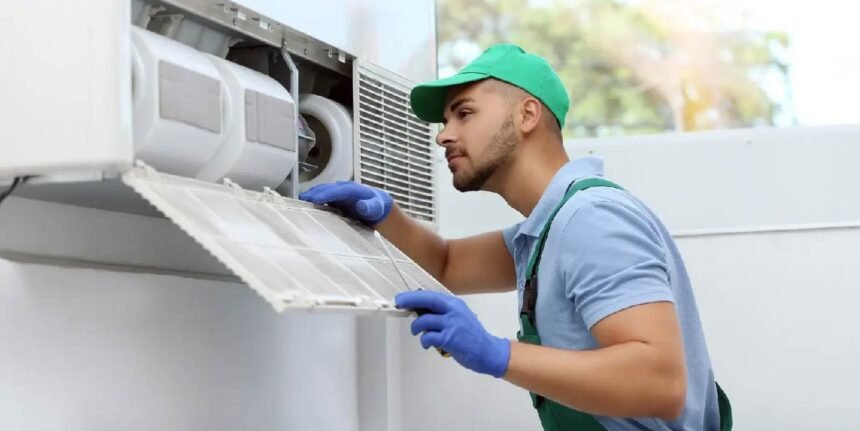
As modern society becomes increasingly reliant on advanced climate control systems, the demand for skilled technicians in heating, ventilation, and air conditioning (HVAC) continues to rise. These systems are vital not just for comfort, but also for safety, energy efficiency, and even air quality in residential, commercial, and industrial settings.
To meet the needs of this evolving industry, HVAC school programs have become a cornerstone in preparing the next generation of professionals. These educational pathways provide hands-on training, technical knowledge, and industry certifications that open the door to stable, well-paying careers. In this comprehensive guide, we’ll explore what HVAC training entails, how to choose the right school, what to expect from the curriculum, and what career opportunities await graduates.
What Is HVAC and Why Is It Important?
HVAC stands for Heating, Ventilation, and Air Conditioning. These systems are designed to regulate indoor temperature, airflow, and air quality. In modern buildings, HVAC is no longer a luxury—it’s a necessity. It plays a crucial role in:
- Maintaining comfortable indoor temperatures year-round
- Providing proper ventilation for health and safety
- Reducing humidity and preventing mold growth
- Improving energy efficiency in homes and businesses
As technologies like smart thermostats, green energy systems, and high-efficiency units become more common, the knowledge required to install, maintain, and repair these systems is becoming increasingly specialized. That’s why formal training from an HVAC School is more valuable than ever.
The Purpose of HVAC Training
HVAC work is both technical and hands-on. While many skills can be learned on the job, a structured training program offers the foundational knowledge and credentials needed to:
- Ensure safety in working with electrical systems and refrigerants
- Understand mechanical, electrical, and plumbing systems
- Read and interpret blueprints and technical documents
- Comply with local, state, and federal codes and regulations
- Prepare for certification exams and licensing requirements
By attending an accredited HVAC School, students not only learn the science behind HVAC systems but also gain practical experience that employers are looking for.
Types of HVAC Education Programs
HVAC education is offered in several formats to meet different needs:
1. Certificate Programs
These are typically short-term programs (6 months to 1 year) focusing on the core technical skills needed to begin entry-level work in the field. Ideal for individuals who want to get into the workforce quickly.
2. Diploma Programs
Diplomas take a little longer (often up to 18 months) and may include more in-depth training, additional hands-on experience, and job placement assistance.
3. Associate Degree Programs
Two-year associate degrees include general education courses in addition to HVAC-specific training. They offer a more comprehensive education and can provide a competitive edge for higher-level positions or future specialization.
4. Apprenticeships
Some individuals choose to enter a paid apprenticeship directly under a licensed technician. This route often includes classroom instruction and on-the-job training over a period of 3 to 5 years.
What You’ll Learn in HVAC School
A high-quality HVAC program covers a wide range of technical subjects, combining classroom theory with hands-on lab work. Typical courses include:
- Thermodynamics and Heat Transfer
- Refrigeration Systems and Cycles
- Electrical Controls and Wiring
- HVAC System Design and Installation
- Ventilation, Ductwork, and Airflow Principles
- Building Codes and Safety Regulations
- Energy Efficiency and Green Technologies
- Diagnostic and Troubleshooting Techniques
In addition to technical training, students often learn important soft skills like customer service, project management, and communication—critical for working directly with clients or managing a team.
Tools and Technology in HVAC Training
Hands-on training is a key component of HVAC education. Most schools have on-site labs or training centers equipped with industry-standard tools and equipment, including:
- Manifold gauges
- Multimeters and electrical testers
- Vacuum pumps
- Leak detectors
- Soldering tools
- Smart thermostats and automated control systems
Exposure to real-world tools not only builds technical competence but also ensures graduates are job-ready on day one.
Certification and Licensing
Many employers prefer—or require—technicians to have certifications that demonstrate professional competence. An HVAC School will typically help prepare students for:
1. EPA Section 608 Certification
Required for anyone handling refrigerants. This certification comes in four types (I, II, III, and Universal), depending on the systems you’ll be working with.
2. NATE Certification
The North American Technician Excellence (NATE) certification is a highly respected credential that can boost your credibility and earning potential.
3. State Licensing
Depending on your state or country, you may need to pass a licensing exam to work legally as an HVAC technician. Schools usually cover the necessary exam prep.
Career Opportunities After Graduation
Graduating from a reputable HVAC program opens the door to a wide range of career paths. Some common job titles include:
- HVAC Installer
- Service Technician
- Maintenance Technician
- Refrigeration Mechanic
- Controls Technician
- Energy Management Specialist
With experience, many technicians go on to become supervisors, project managers, or even business owners. Specialized roles in commercial refrigeration, solar HVAC systems, and building automation are also growing rapidly.
Job Outlook and Salary Expectations
The demand for HVAC technicians is strong and expected to remain so. According to the U.S. Bureau of Labor Statistics (BLS), employment in the HVAC industry is projected to grow faster than average in the coming years due to:
- Increasing complexity of systems
- Greater emphasis on energy efficiency
- Aging infrastructure requiring regular upgrades
Choosing the Right HVAC School
Not all training programs are created equal. Here are some tips for choosing the best HVAC School for your needs:
- Accreditation: Ensure the program is accredited by a recognized educational or industry body.
- Facilities: Look for schools with modern labs and up-to-date tools.
- Instructor Credentials: Instructors should be certified professionals with real-world experience.
- Job Placement Assistance: Schools with strong industry connections can help you find work after graduation.
- Flexible Scheduling: Evening or weekend classes are ideal for those balancing work or family commitments.
- Cost and Financial Aid: Review tuition fees and ask about scholarships or payment plans.
The Future of HVAC
The HVAC industry is undergoing significant transformation, driven by technology, environmental concerns, and the need for sustainable infrastructure. Future technicians will need to be proficient not just in mechanical systems, but also in digital tools, automation, and energy analysis.
Emerging trends include:
- Smart home integration
- AI-powered climate control
- Solar-powered HVAC systems
- Carbon-neutral designs
- Internet of Things (IoT) connectivity
Attending a forward-thinking school will ensure you’re ready for the technologies of tomorrow.
Final Thoughts
A career in HVAC offers stability, excellent income potential, and the satisfaction of solving real-world problems. Whether you’re just out of high school or considering a career change, enrolling in an HVAC school in Garland can be your first step toward a secure and fulfilling profession.
With the right education, hands-on experience, and industry credentials, you’ll be prepared not just to meet today’s challenges but to thrive in the HVAC field for decades to come.