



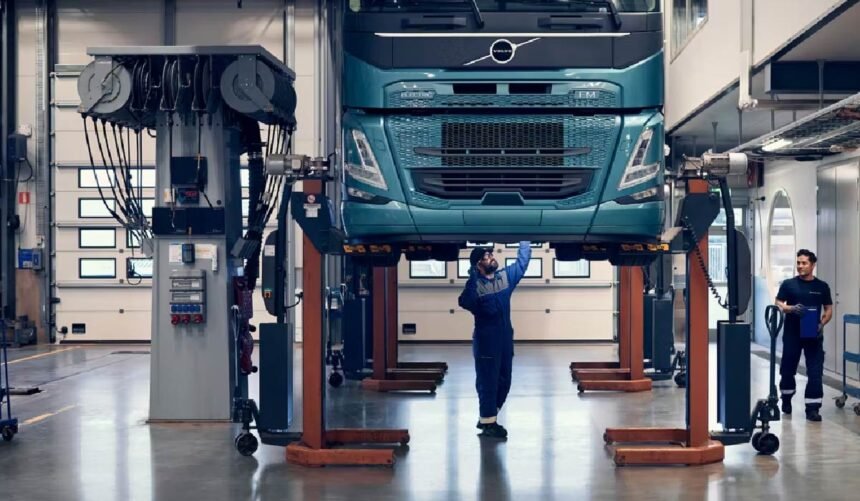
Heavy-duty trucks are built for long-distance hauling, challenging work conditions, and heavy loads. However, even the most durable trucks require consistent maintenance to stay reliable and efficient. Regular wear and tear can lead to performance issues, and replacing worn components with the right Volvo truck parts is essential to keeping the vehicle in top condition. Understanding the most common maintenance issues and how the right parts can solve them helps operators minimise downtime and extend their truck’s lifespan.
Engine Performance Problems
The engine is the heart of any truck, and over time, it can experience several issues, such as reduced power, excessive fuel consumption, or unusual noises. These problems often stem from worn components like filters, injectors, or turbochargers. Replacing these with high-quality truck parts restores performance, ensuring smooth combustion and better fuel efficiency.
Routine checks on the air and fuel filters are especially important. A clogged air filter can restrict airflow, forcing the engine to work harder and burn more fuel. Similarly, a faulty injector can cause uneven fuel delivery, leading to rough idling and poor mileage. Investing in reliable replacement parts for these systems helps maintain consistent engine performance and reduces the risk of major repairs later on.
Brake Wear and Reduced Stopping Power
Trucks operate under heavy loads, which puts significant strain on their braking systems. Over time, brake pads, rotors, and calipers naturally wear down, reducing braking performance and increasing stopping distances. This can be particularly dangerous when driving on steep gradients or wet roads.
Replacing worn brake components promptly with durable truck parts ensures the braking system performs at its best. Brake pads made from high-quality materials provide consistent friction and minimise fade, while precision-machined rotors improve heat dissipation. Regular inspection of hoses and fluid levels is also essential to maintain safety and compliance with road standards.
Suspension and Steering Issues
A truck’s suspension system supports heavy loads and absorbs road shocks, keeping the ride stable and comfortable. When suspension parts like shocks, bushings, or springs wear out, the vehicle can become difficult to control, and the driver may notice vibrations, uneven tyre wear, or steering problems.
Replacing these parts with well-manufactured alternatives restores stability and handling. Quality suspension components help maintain proper wheel alignment, reduce stress on other parts of the truck, and improve overall safety. Keeping the steering system in good shape also reduces driver fatigue, especially on long trips, and enhances manoeuvrability in tight spaces.
Electrical System Failures
Modern trucks rely on complex electrical systems that power everything from the engine control unit to lighting and cabin features. Over time, corrosion, loose connections, or faulty wiring can cause electrical failures that affect starting, lighting, or communication systems.
Using dependable electrical components, such as alternators, sensors, and wiring harnesses, helps prevent these issues. High-quality connectors and relays ensure consistent current flow, reducing the chances of unexpected breakdowns. Routine inspection of the battery, alternator output, and fuses can also prevent minor issues from becoming costly downtime events.
Cooling System Leaks and Overheating
Keeping the engine cool is vital for reliable performance. A failing radiator, water pump, or thermostat can cause overheating, which may lead to engine damage if not addressed promptly. Leaks in hoses or the radiator can also reduce coolant levels and affect temperature regulation.
Replacing damaged cooling system components with precision-engineered truck parts ensures proper heat dissipation. Radiators and pumps built to withstand heavy-duty use maintain steady temperatures even during long hauls or in hot weather conditions. Regularly checking coolant quality and ensuring the system is free from leaks can prevent overheating and extend engine life.
Transmission and Drivetrain Concerns
Transmission and drivetrain components are exposed to immense mechanical stress, especially in vehicles carrying heavy cargo. Common issues include gear slipping, delayed shifting, or vibrations when accelerating. These can often be traced back to worn clutches, bearings, or seals.
Replacing worn-out parts with high-performance truck components restores smooth gear transitions and power delivery. Using compatible fluids and seals also helps reduce friction and prevent premature wear. Keeping the transmission well-lubricated and serviced according to schedule is one of the best ways to ensure long-term reliability.
Exhaust System Wear and Emission Issues
The exhaust system plays a crucial role in managing emissions and maintaining engine efficiency. Over time, components such as mufflers, sensors, and pipes can corrode or develop leaks. This not only affects performance but can also lead to compliance issues with emission standards.
Replacing damaged exhaust components with durable parts improves airflow and helps the engine run cleaner. Quality parts also reduce noise levels and contribute to better fuel economy. Regular inspection for rust, loose fittings, or cracks can prevent small exhaust leaks from turning into expensive repairs.
Tyre and Wheel Alignment Problems
Uneven tyre wear, pulling to one side, or steering vibrations often indicate alignment or suspension issues. These problems not only affect driving comfort but also reduce tyre lifespan and fuel efficiency. Misalignment can also put additional strain on steering components.
Using reliable parts for wheel bearings, suspension arms, and steering linkages ensures proper alignment and smoother handling. Regular tyre rotation and balancing further enhance performance and safety. Keeping tyres inflated to the correct pressure and replacing them when tread depth is low can also help maintain stability on the road.
Preventive Maintenance and Regular Inspections
Beyond replacing individual parts, preventive maintenance plays a key role in avoiding costly breakdowns. Scheduling routine inspections allows drivers and fleet managers to identify small issues before they escalate. Using high-quality truck parts for scheduled replacements ensures that every system continues to operate efficiently.
Lubricating moving components, checking fluid levels, and maintaining a strict service schedule all contribute to the longevity of a heavy-duty vehicle. Reliable replacement parts help maintain consistent performance and give operators peace of mind during demanding work schedules.
The Importance of Choosing the Right Parts
Not all truck components are made equal. Choosing the right parts that meet or exceed OEM standards ensures compatibility, safety, and performance. Using parts specifically designed for the vehicle’s model and system helps reduce wear on connected components and improves overall reliability.
In the long run, investing in the right parts not only keeps the truck running efficiently but also reduces operating costs. Less downtime, improved safety, and lower fuel consumption all contribute to a more productive and cost-effective operation.