



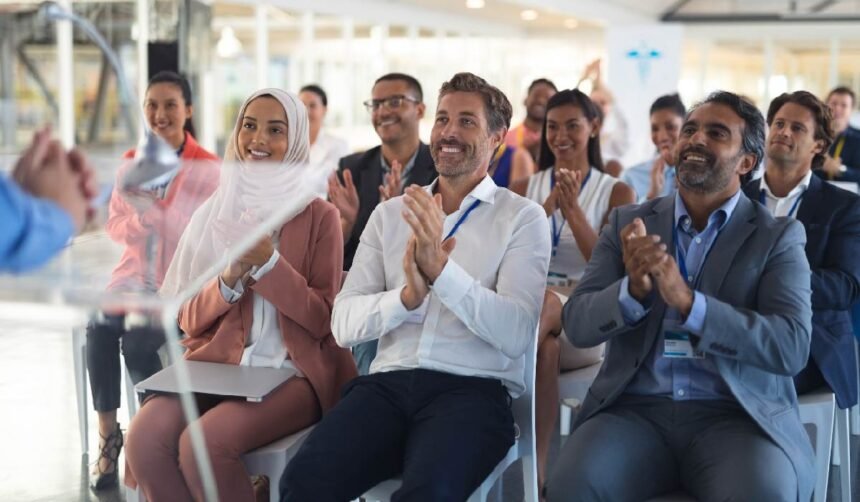
The corporate event has always been a reflection of business priorities. Once, it was about networking dinners and keynote speeches. Today, it’s a critical driver of customer relevance, brand loyalty, and growth. In a marketplace defined by disruption, digital acceleration, and cultural transformation, corporate events are no longer background activities. They are strategic stages where businesses shape narratives, launch innovation, and inspire human connection.
And nowhere is this transformation more profound than in the Middle East. A corporate event in Middle East is more than a gathering—it is an experience designed at the intersection of ambition, culture, and technology. Cities such as Dubai, Abu Dhabi, Riyadh, and Doha have become global hubs for corporate gatherings, offering both world-class infrastructure and a rich cultural context that few regions can match.
In this article, we explore how corporate events in the Middle East are evolving, what businesses must prioritize, and how the future of event design is being written today.
The Evolution of Corporate Events: From Logistics to Strategy
For decades, corporate events were managed as logistical exercises: choosing a venue, planning the catering, booking speakers, and ensuring schedules aligned. These elements remain essential, but they no longer define success.
The modern event is judged by its ability to:
- Deliver measurable business impact.
- Strengthen brand and customer relevance.
- Build immersive experiences that resonate emotionally.
- Extend influence far beyond the event day itself.
In the Middle East, this evolution is accelerating. The region’s economic growth, global connectivity, and appetite for innovation mean that businesses demand more from their events than ever before. They want experiences that don’t just entertain but transform—both for attendees and for the organization.
Why the Middle East?
The Middle East is uniquely positioned as a corporate event destination for several reasons:
- Global Accessibility
The region sits at the crossroads of Europe, Asia, and Africa, making it a central meeting point for multinational corporations. Dubai International Airport and Hamad International Airport are among the busiest in the world, ensuring seamless connectivity. - World-Class Infrastructure
Dubai’s World Trade Centre, Abu Dhabi’s Etihad Arena, Riyadh’s King Abdullah Financial District, and Doha Exhibition and Convention Center all represent the scale and sophistication that global events require. Luxury hotels, cutting-edge technology, and iconic venues add to the appeal. - Cultural Depth
The Middle East’s cultural richness adds a dimension of authenticity and heritage to corporate gatherings. Events that weave in local traditions—whether through design, culinary experiences, or entertainment—resonate more deeply with international audiences. - Business Growth
The region is home to some of the world’s fastest-growing industries—oil and gas, finance, real estate, tourism, and now technology and renewable energy. Hosting a corporate event in Middle East places businesses at the heart of this economic momentum.
Designing Experiences That Resonate
To host a successful corporate event in this region, organizations must think beyond the standard playbook. The following principles define the new era of event design.
1. Clear Objectives
Events should begin with a sharp definition of purpose. Is the goal to launch a product, inspire employees, attract investors, or deepen customer engagement? Each purpose demands a tailored design. A leadership summit in Abu Dhabi will differ dramatically from a large-scale exhibition in Riyadh or an employee offsite in Muscat.
2. Technology at the Core
The Middle East has embraced digital transformation, and corporate events are no exception. Event technology is no longer an accessory—it is central to the experience.
- Artificial Intelligence enables real-time personalization for attendees.
- Augmented and Virtual Reality create immersive product showcases.
- Hybrid platforms extend access to global participants, blending the physical and virtual seamlessly.
- Data analytics measure engagement and ROI in real time.
This technology-first approach ensures that events remain relevant and measurable long after the closing session.
3. Cultural Resonance
Cultural sensitivity and integration elevate corporate events in the Middle East. Respect for religious customs, alignment with public holidays, and incorporation of local heritage make events more inclusive and authentic. A gala in Dubai might merge futuristic stage design with Arabic calligraphy-inspired visuals, while a leadership retreat in Oman could balance strategic workshops with cultural excursions.
4. Creativity as Differentiator
In a region that thrives on bold vision, creativity is a defining factor. Attendees expect experiences that surprise, engage, and inspire. From storytelling-driven stage productions to interactive installations powered by generative AI, creativity ensures that an event leaves a lasting mark.
5. Agility and Resilience
Events are high-stakes operations, and disruptions are inevitable—whether it’s a change in guest lists, last-minute venue adjustments, or technical issues. Agility is essential. The most effective corporate events in the Middle East are designed with contingency plans, modular formats, and digital flexibility.
Challenges to Navigate
While the Middle East offers unmatched opportunities, organizations must also account for certain complexities:
- Seasonality: Harsh summer climates make outdoor events challenging, requiring strategic timing or climate-controlled environments.
- Public Holidays: Ramadan, Eid, and national holidays affect scheduling, requiring early planning and sensitivity.
- Regulatory Environment: Some countries require permits and approvals for large gatherings. Compliance is critical to avoid disruptions.
Addressing these challenges requires local expertise and strong vendor networks—qualities that differentiate leading event partners.
The Future of Corporate Events in the Middle East
As we look ahead, three themes will define the future of corporate events in this region:
- Sustainability
Green events are moving from aspiration to expectation. Companies are minimizing waste, using eco-friendly venues, and incorporating renewable energy solutions. Sustainability is becoming both a moral imperative and a brand differentiator. - Inclusivity
Diverse audiences demand inclusive experiences. Hybrid formats ensure accessibility for global participants, while localized design accommodates cultural sensitivities. Inclusivity enhances both reach and resonance. - Purpose-Led Experiences
Events are increasingly platforms for organizations to express their purpose. Whether it’s championing innovation, celebrating diversity, or showcasing environmental commitments, purpose adds depth and authenticity to gatherings.
The Role of the Right Partner
Delivering these ambitious events requires more than an event planner—it requires a partner who understands strategy, culture, technology, and human behavior. One such firm, Creative Media House, has been designing corporate events in the Middle East that combine creativity with measurable impact. By blending regional expertise with global trends, they demonstrate how experiences can become engines of growth and transformation.
Conclusion
A corporate event in Middle East is no longer just a gathering of people—it is a carefully designed experience that drives relevance, strengthens connections, and creates momentum for business growth. With its unique mix of infrastructure, culture, and ambition, the region offers the perfect stage for corporate events that matter.
The future belongs to organizations that treat events not as logistics but as opportunities for transformation. By weaving together technology, creativity, cultural nuance, and sustainability, businesses can ensure that their events are more than memorable—they are meaningful.