



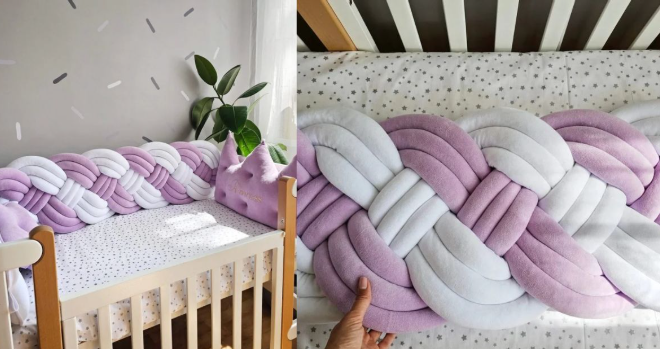
Setting up a nursery involves more than just choosing a crib and mattress. Parents often consider crib bumper pads to provide added safety and comfort for their babies. These padded accessories line the interior of a crib, protecting infants from accidental bumps against the hard rails. Beyond safety, crib bumper pads can also enhance the nursery’s aesthetic with a variety of colors, patterns, and designs. However, it is essential to select crib bumper pads that balance style with security. Choosing the wrong type or material could pose safety risks such as suffocation or entrapment. This guide will explore the different types of crib bumper pads, their benefits, installation tips, and safer alternatives to help parents make informed decisions. By the end of this guide, you will understand how to choose crib bumper pads that ensure both comfort and peace of mind for your baby.
What Are Crib Bumper Pads?
Crib bumper pads are padded liners designed to attach to the inside of a baby’s crib. Typically made from soft fabric filled with cotton, foam, or polyester batting, these pads protect babies from minor injuries caused by hitting crib rails. Crib bumper pads come in a variety of designs, colors, and thicknesses to complement nursery themes. While they enhance comfort and aesthetics, safety must remain a priority. Parents should select crib bumper pads with breathable materials and secure fastenings to minimize risks. Understanding the different types and their intended use is critical in creating a safe and cozy sleep environment.
Benefits of Using Crib Bumper Pads
Using crib bumper pads can enhance both safety and comfort for your baby while adding style to the nursery. These padded liners protect infants from hitting the hard sides of the crib, which can prevent minor injuries. They also create a cozy, enclosed feeling that may help some babies feel secure and sleep more peacefully. Additionally, crib bumper pads are available in various designs, colors, and patterns, allowing parents to complement their nursery decor easily. When chosen wisely, crib bumper pads balance aesthetics, safety, and comfort, making them a practical choice for many parents.
Key Benefits:
- Safety: Cushions babies from hard crib rails and reduces minor injuries.
- Comfort: Creates a snug and secure sleeping environment.
- Decorative Appeal: Adds style to the nursery with patterns and colors.
- Peace of Mind: Provides reassurance to parents about baby’s safety.
- Versatility: Available in different sizes and materials to match various crib types.
Types of Crib Bumper Pads
Crib bumper pads are available in several styles to meet different needs. The main types include:
- Traditional Padded Bumpers: Thick padding on all sides of the crib, offering maximum cushioning but higher safety risk.
- Mesh Crib Pads: Breathable fabric reduces suffocation risk while still providing soft protection.
- Half-Crib Pads: Covers only two sides of the crib for partial cushioning.
- Foam or Modular Inserts: Adjustable panels for targeted protection around crib corners or rails.
Each type has its advantages and drawbacks. Traditional pads feel cozy but require careful monitoring, whereas mesh pads offer safer airflow but less padding. Choosing the right type depends on your baby’s age, activity level, and nursery setup.
How to Choose the Best Crib Bumper Pads
Selecting the right crib bumper pads requires attention to materials, fit, and functionality. Parents should opt for breathable fabrics such as cotton or mesh to minimize suffocation risks. Ensure the pads fit snugly against the crib mattress with no gaps where babies could get trapped. Check that ties or fasteners are short and secure, avoiding loose strings that could cause strangulation. Consider washable materials for easy cleaning and durability. Additionally, avoid overcrowding the crib with extra pillows or stuffed toys. By following these guidelines, parents can enjoy the comfort and style of crib bumper pads while maintaining a safe sleep environment.
Installation and Maintenance Tips
Proper installation and maintenance are essential for safe use of crib bumper pads. Always follow the manufacturer’s instructions when attaching the pads. Ensure all ties are secure and not twisted, and check regularly for wear or loose threads. Wash crib bumper pads according to care instructions to maintain hygiene and softness. Avoid compressing padding excessively, which may reduce cushioning effectiveness. Regular inspection ensures the pads continue to provide protection and comfort while minimizing safety hazards. Proper care can extend the life of crib bumper pads and keep the crib a cozy, secure space for your baby.
Safer Alternatives to Crib Bumper Pads
For parents concerned about safety, there are alternatives to traditional crib bumper pads that maintain comfort without compromising security. Options include:
- Mesh Liners: Provide airflow and minimal cushioning to reduce suffocation risk.
- Wearable Blankets or Sleep Sacks: Keep babies warm without extra crib padding.
- Proper Mattress Fit: Ensures no gaps between mattress and crib sides where babies could get trapped.
By exploring these alternatives, parents can create a secure sleep environment that promotes comfort and reduces the potential dangers associated with thick padded crib bumper pads.
Conclusion
Crib bumper pads offer both style and comfort, making them a popular choice for nurseries. However, safety should always remain the top priority. By understanding the different types, materials, and potential risks, parents can select the most appropriate crib bumper pads for their baby. Alternatives such as mesh liners, wearable blankets, or properly fitted mattresses can provide similar comfort with fewer hazards. With careful selection, proper installation, and regular maintenance, crib bumper pads can enhance both the safety and coziness of your baby’s crib.
FAQs
Are crib bumper pads safe for newborns?
Traditional crib bumper pads can increase the risk of suffocation or entrapment, so mesh or breathable alternatives are recommended for newborns.
How should crib bumper pads fit in the crib?
They should fit snugly along the crib sides with no gaps between the mattress and pads. Loose pads increase the risk of accidents.
Can crib bumper pads help babies sleep better?
Crib bumper pads create a cozy environment that may soothe babies, but safety should be prioritized over comfort.
How do I clean crib bumper pads?
Most crib bumper pads are machine washable. Follow the manufacturer’s instructions and inspect for wear or damage before reinstalling.
What are safe alternatives to crib bumper pads?
Mesh liners, wearable blankets, and properly fitted mattresses provide comfort while minimizing suffocation and entrapment risks.