



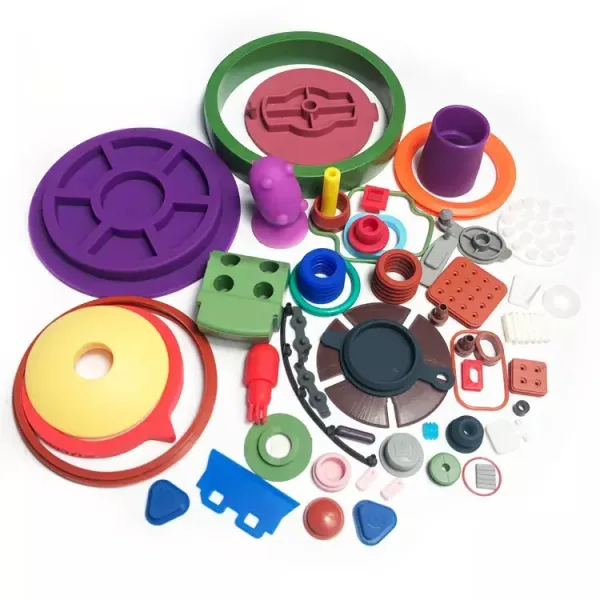
Custom silicone parts and silicone rubber parts are everywhere—from medical devices and automotive systems to consumer goods and industrial equipment. What makes silicone so valuable is its flexibility, durability, and ability to perform in extreme conditions. Businesses looking for reliable, long-lasting components increasingly turn to custom silicone solutions to meet exact specifications and stand out in competitive markets.
1. What Are Custom Silicone Parts?
Custom silicone parts are components manufactured to meet specific design, performance, and dimensional requirements. Unlike standard off-the-shelf products, custom silicone parts are engineered for unique applications. Silicone rubber parts can be molded, extruded, or compressed into almost any shape, making them ideal for complex designs.
Industries choose custom silicone parts when standard materials fail to deliver flexibility, temperature resistance, or chemical stability.
2. Why Silicone Rubber Is a Preferred Material
Silicone rubber stands out because of its exceptional physical and chemical properties. It remains stable in both high and low temperatures, resists UV exposure, and maintains elasticity over long periods.
Key advantages include:
- Wide temperature tolerance
- Excellent electrical insulation
- Non-toxic and skin-safe options
- Resistance to aging, ozone, and moisture
These qualities make silicone rubber parts suitable for both indoor and outdoor applications.
3. Industries That Rely on Custom Silicone Rubber Parts
Custom silicone components serve a wide range of industries. Each sector benefits from silicone’s adaptability and performance.
Common industries include:
- Medical and healthcare
- Automotive and transportation
- Electronics and electrical
- Food and beverage processing
- Industrial machinery
- Consumer and household products
From seals and gaskets to tubing and keypads, silicone rubber parts play a critical role in product reliability.
4. Custom Silicone Parts in Medical and Healthcare Applications
Medical-grade silicone parts are valued for their biocompatibility and safety. They are commonly used in implants, respiratory equipment, baby products, and wearable medical devices.
Silicone can be sterilized without losing its properties, making it ideal for repeated medical use. Custom molding ensures precise fit, which is essential for patient safety and device performance.
5. Automotive and Industrial Uses of Silicone Rubber Parts
In automotive and industrial environments, materials are exposed to heat, vibration, oils, and chemicals. Silicone rubber parts excel under these conditions.
Common applications include:
- Engine gaskets and seals
- Hoses and connectors
- Vibration dampeners
- Insulation components
Custom silicone manufacturing allows engineers to design parts that meet strict automotive and industrial standards.
6. Manufacturing Methods for Custom Silicone Parts
There are several production techniques used to create silicone rubber parts, depending on design complexity and volume.
Popular methods include:
- Compression molding
- Injection molding
- Liquid silicone rubber (LSR) molding
- Extrusion
Each process offers different advantages in terms of precision, scalability, and cost efficiency. Choosing the right method ensures consistent quality and performance.
7. Design Flexibility and Customization Options
One of the biggest benefits of custom silicone parts is design freedom. Silicone can be molded into intricate shapes with tight tolerances.
Customization options include:
- Color matching
- Shore hardness selection
- Surface textures
- Embedded components
- Branding and logos
This flexibility allows manufacturers to align parts with both functional and aesthetic requirements.
8. Performance Benefits of Silicone Rubber Parts
Silicone rubber parts are known for long service life and consistent performance. Unlike many traditional rubbers, silicone does not crack, harden, or degrade easily.
Performance benefits include:
- Excellent sealing capabilities
- High tear and tensile strength options
- Electrical and thermal insulation
- Resistance to extreme environments
These features reduce maintenance needs and improve product reliability.
9. Quality Standards and Compliance in Silicone Manufacturing
High-quality custom silicone parts are produced under strict quality control systems. Many manufacturers comply with international standards such as ISO, FDA, and RoHS.
For regulated industries like medical and food-grade products, compliance ensures safety, traceability, and consistent production. Working with an experienced silicone manufacturer helps avoid costly defects and delays.
10. Choosing the Right Custom Silicone Parts Manufacturer
Selecting the right partner is critical for success. A reliable silicone rubber parts manufacturer offers technical support, design assistance, and scalable production.
Key factors to consider:
- Experience with similar applications
- In-house tooling and prototyping
- Material expertise
- Quality certifications
- Clear communication and lead times
A strong manufacturing partner helps turn ideas into durable, market-ready products.
11. Future Demand for Custom Silicone Parts
As industries continue to innovate, the demand for custom silicone parts is growing. Emerging technologies, electric vehicles, medical advancements, and smart devices all rely on high-performance materials.
Silicone rubber parts will remain a key component in modern product development due to their versatility, safety, and reliability.
Conclusion:
Custom silicone parts and silicone rubber parts offer unmatched flexibility, durability, and performance across industries. With advanced manufacturing techniques and endless customization options, silicone continues to shape the future of product design and engineering. Businesses that invest in high-quality custom silicone solutions gain a competitive edge through reliability, innovation, and long-term value.