



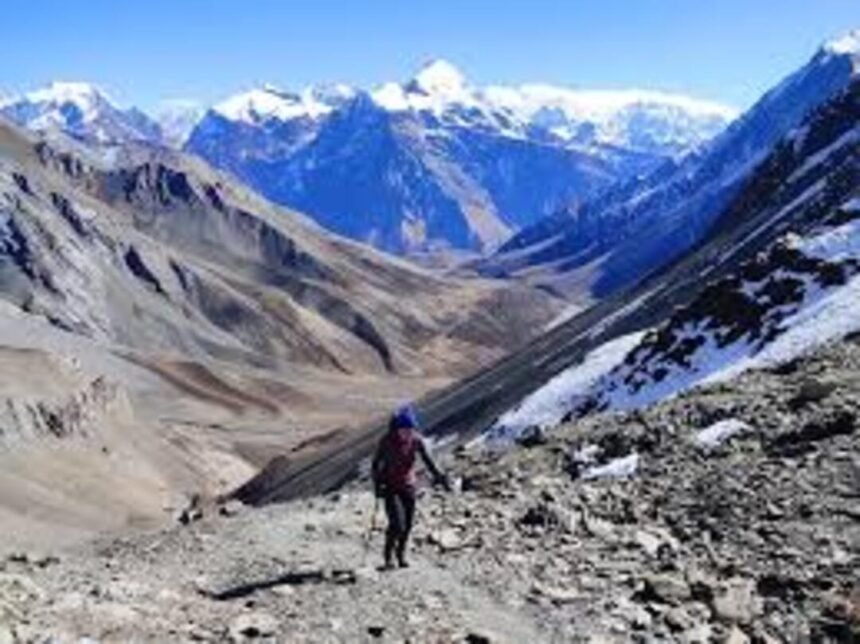
Hidden away behind the high walls of the Himalayas are Nepal’s restricted trekking areas, where time appears to have stopped and customs coexist peacefully with the environment. These are pathways away from the crowds, where villages resound with old tales and prayer flags fly over abandoned monasteries. Trekking here is more than just an adventure; it is a chance to experience pristine wilderness and living history. However, this exclusivity comes with responsibilities, such as guided access, specific permits, and careful travel. This blog examines responsible and safe ways to enjoy these unique paths.
What Makes an Area ‘Restricted’?
In Nepal, a restricted area is a site that is protected for security, cultural, and environmental reasons; it is not only a place that is far away or difficult to get to. These areas are frequently close to international borders, particularly Tibet, where the cultures have strong roots in ancient customs and the landscapes remain untamed. The Nepalese government demands specific trekking permits for entry in order to protect local residents from mass tourists and preserve these delicate ecosystems.
Additionally, restricted places are very important from a cultural and historical standpoint. Many of these regions, such as Upper Mustang trekking or Tsum Valley, were formerly ancient trade routes connecting Nepal and Tibet. Unaffected by modern development, they nevertheless contain secret villages, cave homes, and centuries-old monasteries. These villages preserve their traditional ways of life, languages, and religious rituals due to their remote location.
Therefore, restricted areas symbolize the essence of real Nepal, which is serene, spiritual, and unspoiled. They welcome tourists who are looking for exploration and a close cultural bond rather than luxury or convenience.
The Allure of Trekking in Restricted Regions
The feeling of mystery and exclusivity that characterizes restricted-area trekking is what makes it so unique. Nature and culture coexist harmoniously in these areas, where modern life slows down. You pass through isolated villages where prayer flags fly and yak caravans continue to travel along historic paths that were formerly caravan routes.
The experience is emotional as well as physical. Trekkers have the opportunity to see Tibetan-influenced civilizations, ancient monasteries, and generations-old customs. You will discover tranquility in isolation no bustling paths or teahouses, just you and the raw beauty of the Himalayas.
Trekking in Nepal’s restricted areas becomes a transformative experience for many people, serving as a reminder of how resilient, simple, and spiritual life can be when one lives near mountains.
Top Restricted Area Treks in Nepal
Trekking in Nepal’s protected areas is an adventure into the untamed core of the nation, where the Himalayas soar untouched, ancient cultures flourish in peace, and modern tourism has hardly left its imprint. The benefits of these paths are immeasurable, but they do require specific permissions and guided support. These are a few of Nepal’s best restricted area treks, each of which offers a unique fusion of beauty, mystery, and cultural depth.
Upper Mustang Trek – The Forbidden Kingdom
Upper Mustang, sometimes referred to as the “Last Forbidden Kingdom,” is one of Nepal’s most famous restricted treks. This remote area that borders Tibet was closed to outsiders until 1992. Trekking through these ochre-colored cliffs, windswept plateaus, and secret caverns that formerly housed ancient monks is like traveling back in time. With its whitewashed homes and royal palace, the walled city of Lo Manthang embodies the spirit of Tibetan culture, which is still very much alive today. Visitors can see a live museum of Buddhist art, culture, and spirituality that is unaffected by the chaos of modern life, but they must receive a special permit.
Manaslu Circuit Trek – The Hidden Gem of the Himalayas
One of Nepal’s most genuine trekking experiences is the Manaslu Circuit Trek 14 days, which encircle Mt. Manaslu (8,163m), the eighth-highest mountain in the world. With terraced farms, yak pastures, and deep river valleys, the trail winds through serene Gurung and Tibetan-influenced villages. The landscape becomes untamed and breathtaking as you get closer to Larkya La Pass (5,160 meters). Without crowds of tourists, this trek delivers the Annapurna region’s natural beauty. Trekkers must have a licensed guide accompany them and receive a conservation permit in addition to a restricted area permit because it is a restricted zone. The end effect is a remarkable blend of adventure, culture, and nature that seems pure and unspoiled.
Upper Dolpo Trek – A Land Beyond Time
The Upper Dolpo Trek is one of the most difficult and rewarding treks in Nepal; it is remote, difficult, and rarely visited. This region is home to blue lakes, mountainous passes, and pre-Buddhist Bonpo monasteries. The Himalaya, an Oscar-nominated film, showcases scenery that combines mystical charm with the beauty of the Tibetan desert. With its snow-capped peaks and bleak cliffs, Shey Gompa is one of Nepal’s oldest monasteries and a popular destination for trekkers. Spending time here is like discovering a secret spiritual realm, but because of its isolation, camping is necessary and permits are costly.
Tsum Valley Trek – The Sacred Hidden Valley
Known as the “Valley of Meditation,” Tsum Valley is one of the most revered Himalayan valleys and is located north of the Manaslu region. Locals still adhere to traditional Tibetan practices, and legend has claimed that Guru Rinpoche blessed it. With breathtaking vistas of Ganesh Himal and Sringi Himal, the hike winds through stone villages, monasteries, and prayer walls. Inaccessible until 2008, this region provides hikers with a glimpse of the most authentic Himalayan spirituality.
Trekking Permits and Regulations
Trekking in Nepal’s restricted areas requires careful preparation, beginning with obtaining permits. In order to safeguard delicate ecosystems, conserve historic traditions, and uphold border security, the government enforces these regulations. Restricted Area Permits (RAPs) for popular restricted areas like as Upper Mustang, Upper Dolpo, Tsum Valley Manaslu Circuit trek can be obtained through licensed trekking agencies. Typically, these permits have restrictions, such as requiring that trekkers trek in groups of two or more, having a registered guide accompany them, and restricting entry times. Organizing these far in advance is crucial because prices differ depending on the area and time of year. Permits guarantee both legal compliance and safety trekking because local officials and guides are prepared to handle these isolated regions.
Physical and Logistical Challenges
Beginners should avoid restricted treks. In addition to high passes and erratic weather, trails are frequently rocky, steep, and remote. Trekkers must be self-sufficient because, in contrast to well-traveled routes, there are not many tea houses, stores, or medical facilities. Trekking at high altitudes requires the body to properly acclimate in order to prevent altitude sickness. Mental toughness, endurance, and physical fitness are essential. Having enough food, warm clothes, and emergency supplies on hand is crucial from a logistical standpoint. Due to limited connectivity, GPS, maps, and communication devices become essential tools. Despite these difficulties, the isolated landscape offers a sense of exploration and adventure that is not possible on crowded paths.
Best Time to Trek in Restricted Regions
For both fun and safety, timing is crucial. Clear skies, comfortable temperatures, and breathtaking mountain views are all features of the autumn season (September to November). Warmer days, colorful valleys, and flowering rhododendrons are all features of spring (March–May). It is usually best to avoid the monsoon season (June–August) because of the landslides, slippery roads, and intense rainfall. Although some trekkers like the isolation, winter is bitterly cold and there is a good chance that snow will block passages. Selecting the appropriate season guarantees more vibrant photographic chances, safer travel, and improved acclimation.
Responsible Travel and Cultural Etiquette
It is important to respect local customs. Ask for permission before taking pictures of individuals, dress modestly, and take off your shoes before entering houses or monasteries. Reducing the impact on the environment is also crucial; dispose of all rubbish, stay on authorized paths, and stay away from single-use plastics. Employing tour guides, lodging in community lodges, and purchasing handcrafted goods are ways to support local communities, which benefits the economy and culture. Trekking responsibly guarantees that these unexplored regions will continue to be clean and culturally rich for many centuries to come.
Preparation and Packing tips
It is crucial to pack lightly but sensibly. Trekking boots, sleeping bags, trekking poles, waterproof clothes, and warm layers are necessities. Keep a first aid kit, power banks, a water filter, and extra food on hand. Since loneliness, lengthy walking days, and high altitudes can be stressful, mental preparation is also crucial. Prior to the expedition, training with frequent hikes and aerobic exercises increases stamina.
Conclusion
Trekking in Nepal’s restricted areas can change your life. It provides isolation, stunning scenery, and profound cultural absorption in addition to physical obstacles. Trekkers can see distant monasteries, historic communities, and unexplored scenery along these undiscovered Himalayan treks. Explorers can safely traverse these isolated trails with the right permits, planning, and assistance from professionals like Nepal Trekking Routes. Reaching a destination is only one aspect of restricted area trekking; other goals include embracing adventure, fostering cultural connections, and experiencing the Himalayas in all of its remarkable and pristine beauty.