



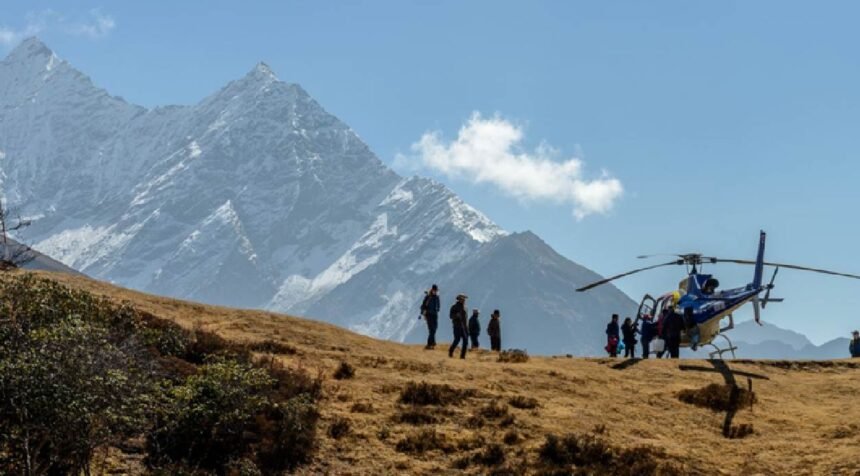
Everest is one of the most famous destinations in Nepal amongst international travelers. Trekkers get the closest view of the highest mountain in the world and pass through traditional himalayan settlements. Additionally, exploring the Everest region takes them to vibrant red, pink, and white rhododendron forests. They also cross several suspension bridges that are decorated with the colorful prayer flags, symbolizing peace, compassion, strength, and wisdom.
The ancient monasteries are the spiritual heart of the Khumbu region. Travelers may observe the locals performing morning prayers, presenting offerings, and monks performing dances with colorful clothes and masks. Usually, the Everest trekking takes about 2 weeks or more, starting from the Kathmandu valley. Therefore, the total duration is even longer for the foreign trekkers, given the time required to get to Nepal in the first place.
To cater to this problem, there are a few alternative experiences that are shorter yet visually rewarding. The Everest Base Camp Trek with Helicopter Return is about 9 days long and follows the classic trail. However, it exchanges the last decent days for a scenic flight. This reduces about 4 days from the traditional journey to the base camp.
Likewise, international travelers can also opt for an Everest tour via helicopter. They are the most time-efficient option, as they only take a few hours to complete and offer breathtaking aerial exploration of the entire Khumbu region. Additionally, with the helicopter landing tour, they can even spend about 30 minutes at a designated viewpoint like Kala Patthar and soak in the sweeping vistas.
Why International Travelers Should Pick the Everest Trek
While there are several destinations in Nepal, this region remains one of the most chosen options. A few reasons for that are described below.
Up-close view of the tallest mountain in the world
Standing close to the majestic Mount Everest is a dream for every traveler from any nook or corner of the world. Alongside, trekkers also get views of other major snow-capped peaks. Lhotse (fourth-highest in the world), Nuptse, Ama Dablam, Thamserku, Pumori, etc.
Sagarmatha National Park
It is a UNESCO World Heritage Site and home to unique flora and fauna. While trekking through this protected area, trekkers have a chance to spot them, especially in the spring and autumn seasons when they are the most active. Additionally, it flaunts deep valleys, glacial rivers, alpine forests, and wildflowers.
It is also a birdwatcher’s paradise with more than 200 species of birds, including himalayan monal, also known as the danphe, the bearded vulture, the snow partridge, etc. Additionally, the national park also preserves the traditional Sherpa settlements, where trekkers can observe the locals’ simple way of living. Moreover, interact with the locals, learn about their culture and tradition, and enjoy their dishes.
Scenic Beauty
Most international travelers primarily associate the Everest region with its mountains. However, trekking here presents much more than just the snow-covered peaks. The world’s highest glacier, the Khumbu glacier, appears breathtaking from the base camp. Similarly, trekkers walk through the beautiful Khumbu valley, Dudh Koshi valley, and Khumjung-Dingboche valley. Moreover, these valleys are the ideal places for spotting the wild animals.
The sunrise view from the Kala Patthar viewpoint (5,545 meters) is one of the most visually appealing experiences of the Everest trekking. The sunlight hit the surrounding peaks, making them appear golden and pink.
Cultural Exploration
Sherpa, the major inhabitants of the region, are known as the “backbone of mountaineering.” They are renowned for their bravery and warm hospitality. So, while trekking, travelers can interact with them, listen to their mountain tales, and observe their lifestyle and traditional practices.
In the lower and mid regions, travelers can witness the stone and wooden houses as they pass through villages such as Namche Bazaar, Dingboche, and Khumjung. The prayer flags, mani walls, and chortens reflect their Tibetan-Buddhist practices and beliefs. Namche Bazaar is a local marketplace that has small shops and stalls where people sell handmade products. The authentic jewellery, singing bowls, sweaters, blankets, and scarves are perfect souvenirs for your friends back home.
Well-established trails
One of the reasons international travelers should opt for the Everest region is its commercialization. Additionally, the trekking routes are well-established, making them accessible throughout the year. There are several teahouses and lodges throughout, providing comfortable stays and hot showers, charging, and Wi-Fi facilities. Most of the stays offer traditional Nepali food and some Western dishes like pizzas, burgers, and pastas. Moreover, there are also several bakeries that offer apple pies, pastries, cinnamon rolls, and numerous hot beverages.
Tips for International Tourists
- Obtain all the necessary permits for the trek or travel through a tour operator so they can acquire them for you.
- Keep a flexible itinerary with a few buffer days so that you can fit weather and flight delays.
- During peak trekking seasons, book accommodations in advance. This is because most of the teahouses tend to be fully occupied.
- Get travel insurance that covers emergency helicopter evacuation.
- Carry Nepali Rupees in cash, as there are no ATMs in higher regions.
- Hire a licensed and experienced trekking guide for better trail navigation and safety.
- Porters make the journey easier by transporting your heavy luggage. This reduces physical strain and improves the acclimatization process.
- Spring and autumn seasons are the best times of the year for the Everest trek, as they have stable weather, clear skies, and warm temperatures.
- Take a first-aid kit with your personal medications, blister tapes, band-aids, pain relief tablets, and AMS medicine, like Diamox (consult your doctor first).

