



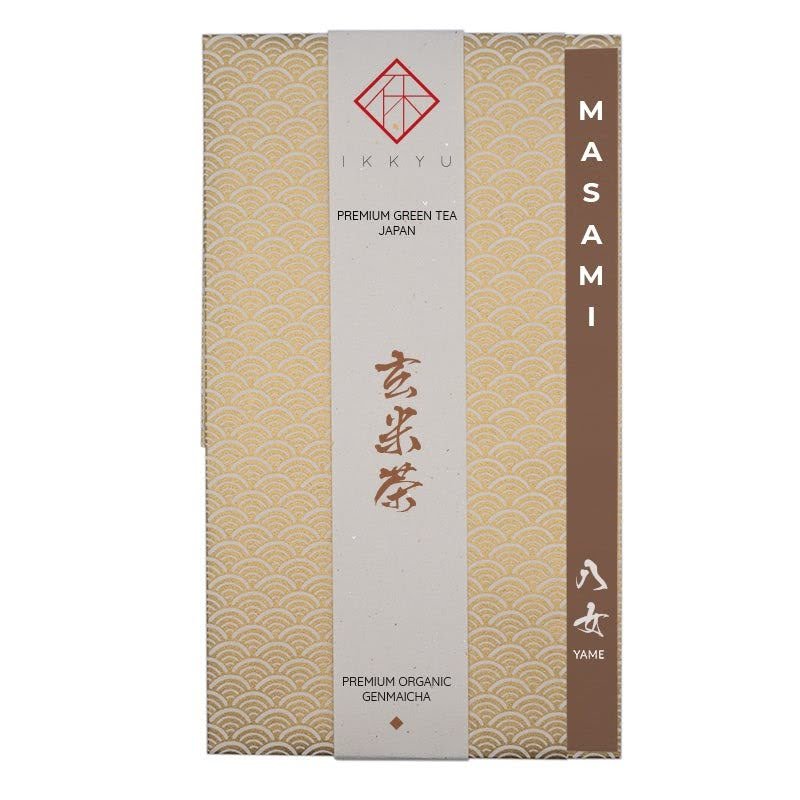
Tea lovers often navigate a diverse world of flavours and aromas when exploring the rich heritage of Japanese teas. Two particularly popular types are Genmaicha and Hojicha, both renowned for their roasted profiles yet distinct in taste and aroma. For those seeking a unique tea experience, identifying the characteristics of each can significantly enhance the selection process. Genmaicha Tea stands out for its mixed composition of roasted brown rice and green tea leaves, while Hojicha is known for its unique roasting process.
Understanding Genmaicha
Genmaicha, frequently referred to as “popcorn tea” due to the appearance of some kernels resembling popped corn, is a harmonious blend of green tea leaves and roasted brown rice. This combination results in a tea that offers nutty, earthy undertones with a subtle sweetness. The interplay between the starches in the rice and the grassy notes of the tea creates an aromatic brew, highly regarded in Japan and beyond.
The appeal of Genmaicha lies in its soothing qualities and lower caffeine content compared to other green teas, making it suitable for consumption throughout the day. Due to the inclusion of rice, the flavour remains mild, which can be particularly appealing to those new to green tea or seeking a gentle infusing sensation.
The Allure of Hojicha
Unlike the blend seen in Genmaicha, Hojicha is uniquely defined by its roasting process. This tea primarily uses leaves from later harvests that are roasted at high temperatures to produce a reddish-brown hue and a distinctive roasted flavour. The roasting process significantly reduces the caffeine content, making Hojicha a popular choice for evening consumption.
The rich, toasty notes of Hojicha are often compared to the flavours of nuts or caramel, creating a comforting and warm experience. Its deep flavour profile makes it an excellent option for those seeking a robust taste while enjoying a caffeine-conscious lifestyle.
Health Benefits and Nutritional Value
The health benefits of both Genmaicha and Hojicha are notable. They are both great sources of antioxidants, which help in fighting free radicals in the body. Furthermore, Genmaicha is known for its ability to aid digestion and is often consumed after meals in Japan. Hojicha, on the other hand, is appreciated for its calming effect, often used to unwind and promote relaxation after a long day.
Cultural and Historical Context
Both teas hold a cherished place in Japanese culture. Genmaicha was originally considered a tea for the masses due to the addition of brown rice, which made it a cost-effective option. Over time, it became favoured by all societal classes due to its unique taste. Hojicha emerged more recently in the early 20th century but quickly rose in popularity due to its distinctive roasted aroma and flavour.
Japanese Green Tea culture is rich with nuanced history, tradition, and rituals, where each tea type serves a unique purpose and time of day. Discovering these teas opens doors to understanding broader Japanese tea practices.
Preparation Techniques
The art of preparing these teas is as critical as their selection. For Genmaicha, using a water temperature of about 80°C ensures that the delicate notes of the green tea and roasted rice are not overwhelmed by excessive heat. Hojicha, being more robust due to its roasting process, can be brewed with hotter water, up to 90°C, allowing its toasty flavours to fully develop.
Pairing Recommendations
In culinary applications, these teas offer versatile pairing choices. Genmaicha’s light, nutty profile pairs well with savoury dishes and lighter desserts, complementing soft cheeses or miso-based dishes excellently. Conversely, Hojicha’s deep, smoky character can enhance the flavours of grilled or roasted meat dishes and rich chocolates.
Tasting Experiences at IKKYU Tea
For those interested in exploring these teas further, IKKYU Tea offers an exceptional range of Japanese teas. Visitors can enjoy a tasting experience that highlights the unique characteristics of both Genmaicha and Hojicha, providing a sensory journey into the heart of Japanese tea traditions.
The extensive selection available allows both novices and seasoned tea connoisseurs to explore and appreciate the subtle differences between these roasted teas. Whether it’s the first step into the world of Japanese Green Tea or a continuation of a lifelong passion, there is something new to discover with each cup.
IKKYU Tea’s commitment to quality ensures that every batch of tea is carefully curated, allowing for the best flavour experiences possible. From the first sip to the last, the journey through Japanese tea culture is as much about the moment of peace it brings as it is about the complex flavours enjoyed.
Conclusion: Making the Right Choice
Choosing between Genmaicha and Hojicha ultimately comes down to personal preference and desired flavour profiles. For a lighter, slightly sweet experience, Genmaicha may be ideal. If one prefers a deep, warm, and smoky taste, then Hojicha is likely the better choice. Regardless of choice, each tea offers a profound connection to the cultural tapestry of Japan. Those looking to buy or learn more about these teas can visit the Japanese Green Tea section of IKKYU Tea to explore the unique offerings and bring a touch of Japan to their everyday life.