



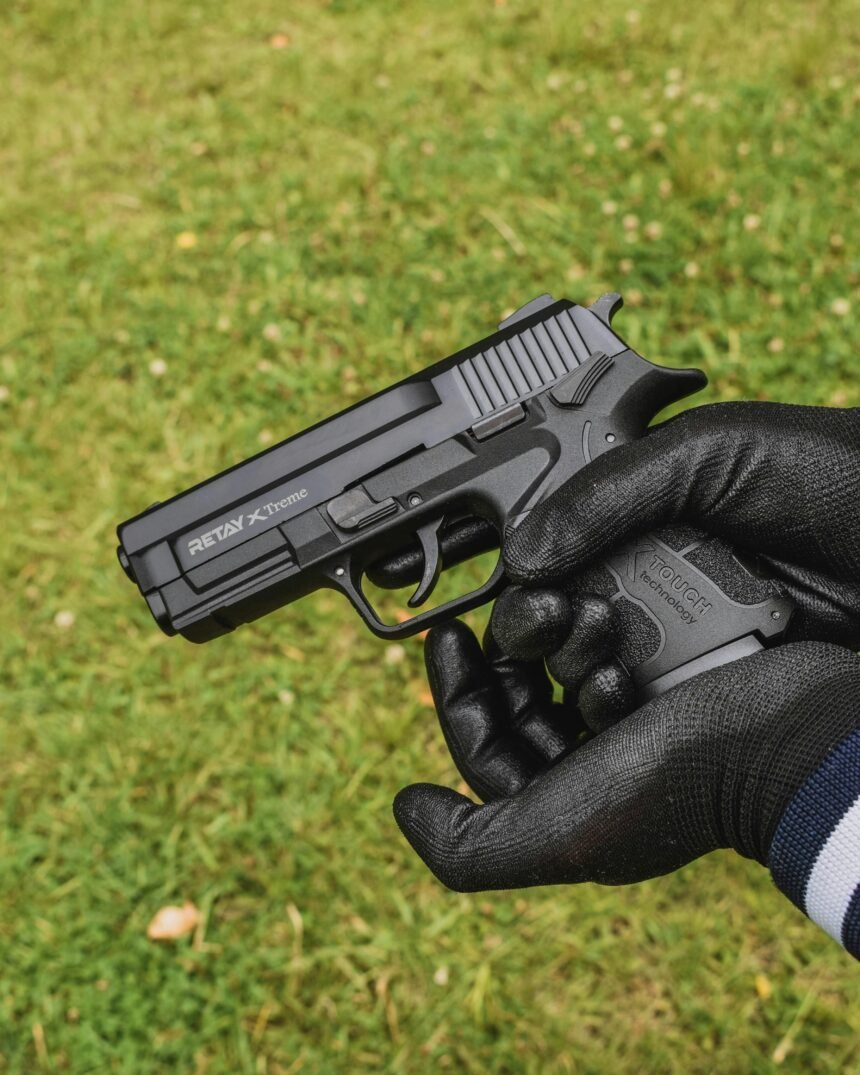
Glock pistols have become synonymous with reliability, simplicity, and innovation in the firearms industry since their introduction in the 1980s. Whether you’re a first-time gun buyer, a seasoned shooter, or simply curious about these Austrian-engineered handguns, understanding the fundamentals can help you make informed decisions. This comprehensive guide tackles the most frequently asked questions about Glock firearms, covering everything from their unique design features to maintenance requirements and practical considerations for ownership. You’ll gain valuable insights into what makes Glock one of the most trusted names in defensive and duty firearms worldwide.
What Makes Glock Pistols Different From Other Handguns?
Glock pistols stand out in the firearms market due to their revolutionary polymer frame construction, which significantly reduces weight compared to traditional steel-framed handguns. The company pioneered the use of high-strength polymer materials in pistol manufacturing, creating a frame that’s not only lightweight but also incredibly durable and resistant to corrosion, weather, and chemical exposure. This innovative approach allows shooters to carry their firearms comfortably for extended periods without the fatigue that comes with heavier alternatives.
The Glock Safe Action System represents another distinctive feature, incorporating three independent safety mechanisms that work sequentially to prevent accidental discharge while maintaining a consistent trigger pull every time. Unlike traditional double-action or single-action pistols, Glock’s striker-fired system offers a trigger pull that remains the same for every shot, promoting consistency and accuracy. The minimalist design philosophy means fewer parts overall, which translates to enhanced reliability and easier maintenance for users of all experience levels. Glock’s commitment to standardization across their product line means that many parts are interchangeable between models, and the manual of arms remains consistent whether you’re shooting a compact model or a full-size duty pistol.
Which Glock Model Is Best For Beginners?
Selecting the right Glock model for first-time pistol owners depends on several factors, including intended use, hand size, and shooting experience. The Glock 19 frequently emerges as the top recommendation for beginners because it strikes an excellent balance between size, capacity, and shoot ability. This compact 9mm pistol offers a 15-round magazine capacity, manageable recoil, and dimensions that work well for both concealed carry and home defense applications. The grip length accommodates most hand sizes comfortably, and the reduced recoil of the 9mm chambering makes it easier for new shooters to develop proper technique without developing a flinch response.
For those with smaller hands or who prioritize maximum concealability, the Glock 43X provides a slimmer profile while maintaining a grip length that allows for a proper three-finger to hold. Alternatively, shooters who plan to use their pistol primarily for home defense might consider the full-size Glock 17, which offers a longer sight radius for improved accuracy and a 17-round magazine capacity. The availability and affordability of 9mm ammunition make any of these model’ practical choices for regular practice sessions, which is essential for skill development. Regardless of which model you choose, the consistent operating system across all Glock pistols means the skills you develop will transfer seamlessly if you decide to add additional models to your collection down the road.
How Often Should I Clean My Glock Pistol?
Proper maintenance ensures your Glock pistol functions reliably when you need it most, though these firearms are renowned for operating even under adverse conditions with minimal cleaning. For regular range use, a thorough cleaning after every 500-1000 rounds represents a reasonable maintenance schedule for most shooters, though more frequent cleaning never hurts and helps you become familiar with your firearm components. After shooting sessions involving especially dirty ammunition, adverse weather conditions, or exposure to corrosive elements, immediate cleaning becomes more important to prevent potential buildup or corrosion.
The basic cleaning process involves field-stripping the pistol into its four main components, which can be accomplished without tools in just seconds once you learn the simple procedure. Focus on your cleaning efforts on the barrel, which accumulates powder residue and copper fouling, and the breech face and firing pin channel, where carbon buildup can occur. Apply a light coat of quality gun oil to metal surfaces and the rails where the slide contacts the frame, but avoid over-lubrication, Glock pistols function best with minimal oil that won’t attract excessive dirt or debris.
For defensive firearms kept for home protection or concealed carry, conduct function checks monthly even if you haven’t fired the gun, and consider a complete detail strip and cleaning annually or after every few thousand rounds. Remember that maintenance isn’t just about cleaning but also about inspecting components for wear, ensuring magazine springs maintain proper tension, and verifying that sights remain securely attached and properly aligned. Regular maintenance routines help you stay intimately familiar with how your pistol functions and can alert you to potential issues before they become problems.
What Ammunition Should I Use In My Glock?
Glock pistols demonstrate remarkable versatility in ammunition compatibility, reliably cycling everything from budget practice rounds to premium defensive ammunition. For training and practice sessions, shooters typically select affordable full metal jacket ammunition in their pistol’s designated caliber, allowing for high-volume practice without breaking the bank. The 9mm Glock models, which include the most popular options in the lineup, function flawlessly with standard 115-grain and 124-grain practice loads from reputable manufacturers.
For defensive purposes, modern jacketed hollow point ammunition designed specifically for self-defense applications offers superior stopping power and controlled expansion while reducing the risk of over-penetration. Popular defensive loads for 9mm Glocks include options in the 124-grain to 147-grain weight range, with many experienced shooters and law enforcement agencies preferring the heavier bullets for their deeper penetration and reduced muzzle flip. Always test any defensive ammunition in your specific pistol to ensure reliable feeding, ejection, and point-of-aim accuracy before trusting it for personal protection.
Glock’s polygonal rifling, found in their barrels, works efficiently with jacketed bullets but shouldn’t be used with traditional lead bullets, as the rifling design can cause lead buildup that may create dangerous pressure spikes. For professionals who need to test ammunition performance under demanding conditions, Athena Precision provides specialized equipment for comprehensive ballistic evaluation. Regardless of ammunition choice, always verify that you’re using the correct caliber for your specific Glock model, using incorrect ammunition can result in catastrophic failure and serious injury.
Are Glock Pistols Safe To Carry With A Round In The Chamber?
Carrying a Glock pistol with a loaded chamber is not only safe but represents the recommended carry method for these firearms when proper handling procedures are followed. The Glock Safe Action System incorporates three independent, passive safety mechanisms that prevent the pistol from firing unless the trigger is deliberately pulled through its full range of motion. The trigger safety, a small lever integrated into the trigger face, must be depressively engaged before the trigger can move rearward, preventing accidental discharge from objects catching the trigger.
The firing pin safety physically blocks the firing pin from moving forward until the trigger reaches a specific point in its rearward travel, providing another layer of protection against drop-induced discharge. The drop safety prevents the firing pin from moving forward even if the pistol experiences significant impact, ensuring the gun won’t fire if accidentally dropped or struck. These three safeties work in sequence, creating a reliable system that’s been proven through decades of law enforcement and military use worldwide.
Proper holster selection is crucial for safe carry, a quality holster completely covers the trigger guard and retains the pistol securely during all normal activities. Carrying with an empty chamber significantly reduces your defensive capability by requiring an additional step under stress before you can fire, potentially costing precious seconds in a life-threatening situation. Training with your Glock until proper trigger discipline and drawing techniques become second nature ensures safe handling regardless of carry condition. Modern Glock pistols have passed rigorous drop tests and safety certifications, demonstrating their reliability and safety when handled according to fundamental firearm safety principles.
Conclusion
Glock pistols have earned their reputation as reliable, user-friendly firearms through decades of proven performance in demanding conditions worldwide. Understanding the unique features, proper maintenance requirements, and safe handling procedures for these innovative handguns empowers you to make informed decisions about ownership and use. Whether you’re considering your first Glock purchase or seeking to deepen your knowledge of these popular pistols, the information provided here addresses the fundamental questions that most shooters encounter. Remember that ongoing education, regular practice, and adherence to safety principles remain essential components of responsible firearm ownership.