



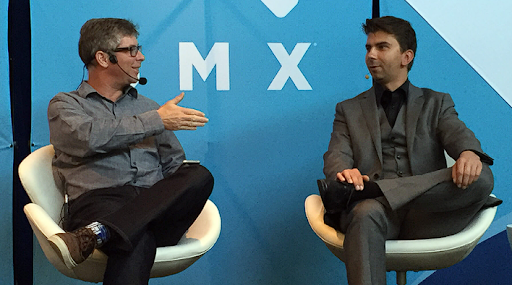
Gary Illyes, a lead search analyst at Google, recently admitted that even Googlers find the AI-powered search transition “hard to accept.” The admission underscores growing uncertainty inside Google as AI features like AI Overviews and AI Mode replace traditional search behavior.
What Illyes Said
Illyes compared the present shift to his early days on search engines like Lycos and AltaVista. He said the current search landscape feels unfamiliar even to longtime practitioners. He acknowledged that users increasingly rely on conversational AI summaries instead of standard link-based results.
He also warned that search engine marketing and SEO must evolve just like in the past 30 years. He emphasized that traditional SEO principles still apply, quality content, structured metadata, clear signals, but content strategy needs updating for the AI era.
Why This Matters for Content Publishers
This public admission from a senior Googler reflects a turning point for the open web. As AI-powered summaries take over, conventional SEO may not guarantee visibility anymore. Users often get answers directly inside AI results. That means fewer clicks, lower referral traffic, and shrinking page-view revenue.
For content creators the path forward involves clearly presented content, up-to-date metadata, structured data, freshness, and readability. Rewriting older content becomes more critical than ever. Willing publishers who reconstruct and improve older articles have higher chances of surviving , and thriving , in this era. That is why many publishers are now focused on improving ranking by rewriting old contents.
What Sites Should Do Immediately
- Audit existing content for quality, relevance and structure.
- Rewrite and update outdated articles.
- Refresh metadata, schema markup, and structure to support AI parsing.
- Focus on clear, user-centric headlines and content that answers questions completely.
- Monitor traffic and engagement, especially for pages that previously relied solely on traditional SEO click volume.
These steps offer the best chance for continued visibility while search evolves.
Anatolii Ulitovskyi, CEO at UNmiss says:
“With Google insiders admitting discomfort over AI-first search, one truth stands out. Old content loses value fast unless it is refreshed. In 2025 we saw that sites which updated titles, metadata, and structure recovered 25-40 % more traffic compared to those that waited. Rewriting and updating content is no longer optional. It is essential for any site hoping to remain visible and competitive in the new AI-driven search landscape.”