



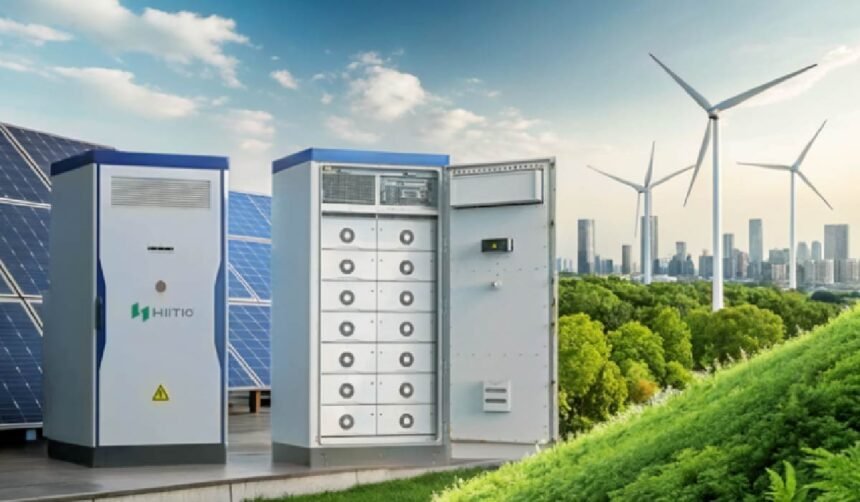
The energy landscape is undergoing a remarkable transformation, driven by the convergence of artificial intelligence and hybrid power technologies. As industries worldwide seek more efficient, sustainable, and cost-effective energy solutions, diesel–ESS (Energy Storage System) hybrid configurations are emerging as a cornerstone of modern power infrastructure. At HIITIO, we’ve witnessed firsthand how AI and predictive analytics are revolutionizing these systems, turning what were once simple backup power solutions into intelligent, self-optimizing energy platforms.
Traditional diesel generators have long served as reliable workhorses for industrial and commercial applications, but their standalone operation presents significant limitations in efficiency and environmental impact. The integration of industrial and commercial ESS with diesel generators creates hybrid systems that combine the reliability of conventional generation with the flexibility and sustainability of battery storage. This marriage of technologies becomes truly transformative when enhanced by AI-driven intelligence, enabling systems to anticipate demand patterns, optimize fuel consumption, and extend equipment lifespan through predictive maintenance protocols.
The synergy between diesel generators and energy storage systems represents more than just a technological upgrade—it’s a fundamental reimagining of distributed power generation. Modern solar-diesel-ESS solutions demonstrate how multiple energy sources can work in concert, with AI serving as the conductor of this complex orchestra. These intelligent systems continuously analyze energy production from solar arrays, battery state-of-charge levels, load demands, and diesel generator efficiency curves to make split-second decisions that minimize operational costs while maintaining power quality and reliability.
Intelligent Load Forecasting and Energy Dispatch
AI-powered predictive analytics fundamentally changes how hybrid systems respond to energy demands. Rather than reacting to load changes, modern systems anticipate them:
- Machine learning algorithms analyze historical consumption patterns, weather data, operational schedules, and even external factors like local events or economic indicators to forecast energy requirements with remarkable accuracy
- Predictive dispatch systems determine the optimal combination of diesel generation, battery discharge, and grid interaction hours or even days in advance
- Real-time adjustment capabilities allow systems to adapt when actual conditions deviate from forecasts, maintaining efficiency even during unexpected demand spikes
- Integration with building management systems enables coordinated operation where HVAC, lighting, and other major loads are scheduled to align with optimal energy availability
Fuel Efficiency and Emissions Reduction
One of the most tangible benefits of AI integration is the dramatic improvement in diesel generator utilization and fuel efficiency:
The traditional approach of running diesel generators at partial loads results in poor fuel efficiency, increased maintenance requirements, and higher emissions. AI-driven systems address this by ensuring diesel generators operate primarily within their optimal efficiency ranges, typically between 70-85% of rated capacity. When load requirements fall below this threshold, the system seamlessly transitions to battery power, allowing the generator to shut down rather than idle inefficiently.
Predictive algorithms also optimize generator start-stop cycles, reducing wear on critical components while minimizing the inefficiencies associated with cold starts. By analyzing battery state-of-charge, upcoming load forecasts, and generator warm-up requirements, these systems can pre-emptively start diesel units under optimal conditions, ensuring smooth transitions and maximizing fuel economy. Field deployments have demonstrated fuel consumption reductions of 30-50% compared to traditional diesel-only systems, with corresponding decreases in carbon emissions and operating costs.
Predictive Maintenance and System Reliability
Perhaps the most transformative aspect of AI integration is the shift from reactive maintenance to predictive system health management:
- Continuous monitoring of thousands of operational parameters—from vibration patterns and oil quality to battery cell voltage variations and thermal profiles—provides unprecedented insight into equipment condition
- Machine learning models trained on vast datasets can identify subtle anomalies that precede component failures, often detecting issues weeks or months before traditional monitoring would reveal problems
- Automated diagnostic systems not only predict when maintenance will be required but also identify the specific components needing attention, optimizing inventory management and reducing downtime
- Integration with supply chain systems enables automatic parts ordering and technician scheduling, transforming maintenance from an emergency response activity into a planned, efficient process
The financial implications are substantial. Unplanned downtime in critical power applications can cost thousands of dollars per hour. By shifting to predictive maintenance protocols, organizations typically see maintenance costs decrease by 20-30% while simultaneously improving system availability to 99.5% or higher.
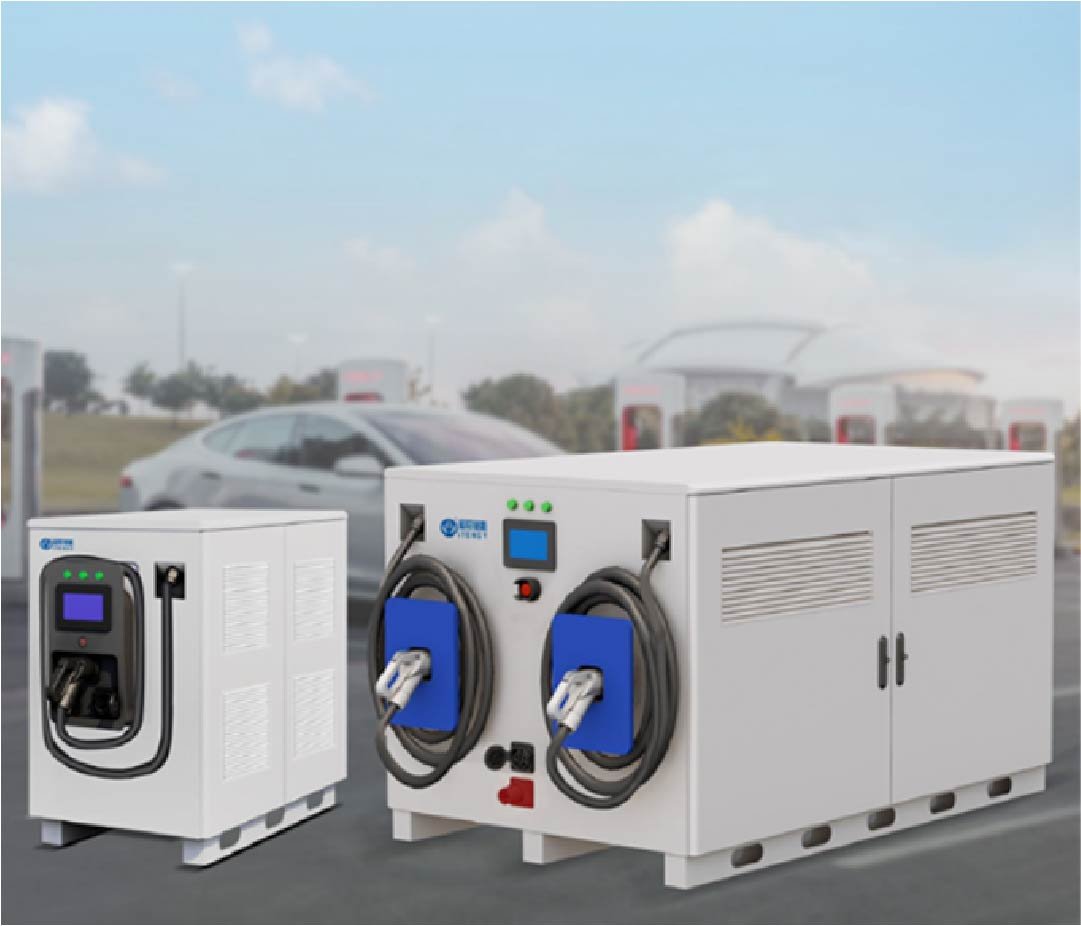

Battery Optimization and Lifecycle Management
Energy storage systems represent significant capital investments, making battery lifecycle optimization crucial for project economics. AI plays a vital role in maximizing battery longevity:
Sophisticated algorithms continuously balance competing priorities—providing responsive power delivery while minimizing degradation factors like deep discharge cycles, high charge/discharge rates, and temperature extremes. Predictive models forecast battery capacity fade based on actual usage patterns, enabling accurate end-of-life planning and second-life application strategies. Dynamic charge/discharge scheduling ensures batteries operate within optimal parameters, potentially extending useful life by 20-40% compared to systems without intelligent management.
The Path Forward
As AI and predictive analytics continue to evolve, diesel–ESS hybrid systems will become increasingly sophisticated. Edge computing capabilities enable faster local decision-making, while cloud connectivity allows systems to learn from global deployment data. The integration of weather forecasting, grid price signals, and renewable energy production creates opportunities for even greater optimization.
At HIITIO, we’re committed to advancing these technologies, developing electrical components and control systems that enable the next generation of intelligent hybrid power solutions. The transformation is already underway—the question isn’t whether to adopt these technologies, but how quickly organizations can implement them to capture their substantial benefits.