



Buying a used car can be exciting but it can also be risky if you don’t have all the facts. One of the biggest hidden dangers is odometer fraud, where someone changes the mileage reading to make a car look newer than it really is. This trick can make you pay more for a car that has actually been driven much further and may have more wear and tear than you expect.
Luckily, there’s a simple way to protect yourself from a car history check. Let’s explore how it works and why it’s one of the best tools for spotting odometer fraud before it’s too late.
When the mileage doesn’t tell the truth
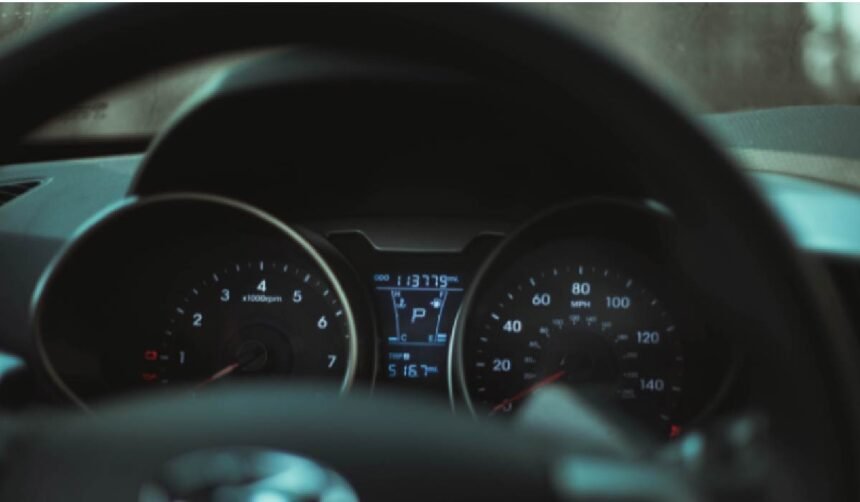
The odometer, the small display showing how many miles a car has driven, is supposed to tell you the truth about the vehicle’s use. But some dishonest sellers “clock” the odometer rolling back the mileage to make the car seem younger and more valuable.
For example, if a car has driven 120,000 miles, a seller might reduce it to 70,000. That might sound like a small change, but it can increase the car’s value by thousands of pounds. Many buyers see lower mileage as a sign of reliability, so they’re willing to pay more.
Unfortunately, odometer fraud doesn’t just hurt your wallet. A car with high mileage usually needs more maintenance, and skipping that history can lead to safety issues and expensive repairs later.
How a car history report reveals the real story
A car history report gathers data from official records, garages, insurance companies, and MOT test centres. It helps you see the full background of a vehicle, not just what the seller wants you to know.
Here’s how these reports help uncover odometer tampering:
- MOT Mileage Records
Every time a car takes an MOT test in the UK, its mileage is added to a national database. When you check MOT online, you can see the mileage recorded during each test.
- Service and Maintenance Entries
Most garages record mileage during services. A car history report compares these entries with MOT data. If the numbers don’t match, it could mean the odometer was rolled back after a service.
- DVLA, Insurance, and Finance Data
The report checks official government and insurance records for mileage information and ownership details. It can also show if there’s any outstanding finance, meaning the car might still belong to a lender, another reason to investigate before buying.
- Import, Export, and Write-Off History
Some vehicles are imported or written off, and their odometers are reset or replaced during repairs. A car history check shows if the car was brought in from another country or marked as a write-off, helping you confirm its true background.
- Stolen or Salvage Records
A report can flag whether the car was ever reported stolen or salvaged after serious damage. Such vehicles might have unreliable mileage readings or altered dashboards.
By comparing all this data, you can quickly tell whether a car’s mileage makes sense or if someone has tried to hide its real use.
The hidden costs of ignoring mileage fraud
At first, buying a car with “only” 60,000 miles might sound like a great deal. But if the true number is closer to 120,000, you could be in for an expensive surprise.
Here are some of the problems odometer fraud can cause:
- Higher Repair Bills: Parts like the clutch, suspension, and timing belt wear out with mileage. If the car’s odometer was rolled back, you might face unexpected repair costs soon after buying it.
- Lower Resale Value: When you eventually sell the car, the real mileage will come out in future checks making your car harder to sell and worth much less.
- Insurance and Legal Issues: Giving false information about mileage can affect your insurance claim. In serious cases, it might even count as owning a car obtained through fraud.
A simple car history check, which often costs less than a tank of fuel, can save you hundreds or even thousands of pounds in the long run.
Real-life signs that something doesn’t add up
While a car history report is the most reliable way to detect odometer fraud, there are also physical clues you can look for.
Here are a few things to check before buying:
- Worn Pedals and Seats: Heavy wear on the pedals, steering wheel, or driver’s seat can suggest more mileage than shown.
- Inconsistent Service Records: If service stamps or invoices are missing or the handwriting looks suspicious, be careful.
- Digital Odometer Glitches: Many modern cars have digital displays, but these can still be tampered with using cheap tools. If the digits look odd or misaligned, it might be a sign of tampering.
- Seller Avoids Questions: If the seller seems nervous or gives vague answers about mileage, always double-check with a car history report.
A careful buyer combines these visual checks with a trusted online vehicle history report that’s how you stay safe.
Smart buyers always check before paying
Odometer fraud might sound old-fashioned, but it still happens every day, especially online, where sellers can hide behind fake listings or quick sales. That’s why being a smart buyer means doing a proper background check before transferring any money.
Websites like checkcarvalue make it easy. With just a vehicle number, you can get a detailed report showing:
- Mileage records
- MOT and tax status
- Condition or write-off
- Outstanding finance
- OEM-service history
- Valuation and market insights
- Vehicle ownership details
You can check all this information for just £19.99. You’ll know whether the car is priced fairly and whether it’s safe to buy. Most importantly, you’ll avoid falling victim to one of the most common car scams in the UK
Final Thoughts
The odometer might be the first thing you check when buying a used car but it should never be the only thing. Numbers on a screen can be changed, but official records don’t lie.
A car history report connects the dots between MOTs, services, and ownership records to show you the truth about a car’s past. Whether you’re buying from a dealership or a private seller, taking a few minutes to check the car’s history is one of the smartest steps you can take.
It protects your money, your safety, and your confidence as a buyer. In short let the data tell the story, and don’t let odometer fraud fool you.