



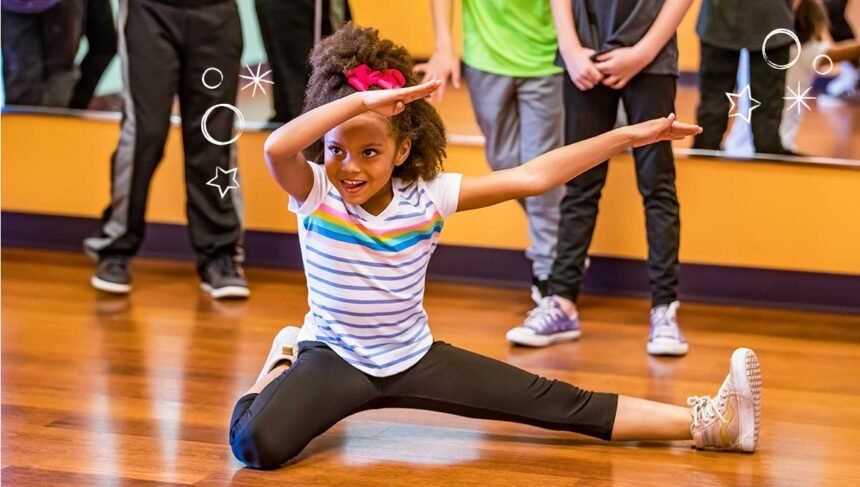
Community programs play a powerful role in shaping the lives of children, offering support that goes far beyond what traditional education systems can provide. These initiatives create safe, engaging spaces where young people can develop emotionally, socially, and academically. As communities continue to invest in children, the positive impact becomes increasingly clear.
Building Confidence and Emotional Wellbeing
One of the most important contributions of community programs is their focus on emotional development. Children who participate in youth groups, sports teams, or creative workshops often gain a stronger sense of self. These activities encourage them to express themselves, overcome challenges, and build resilience.
Having a consistent support network outside of school and home can make a significant difference, especially for children who may struggle with confidence. Through mentorship and group interaction, they learn valuable coping skills and develop a healthier mindset. Over time, this leads to improved self-esteem and a greater ability to navigate everyday challenges.
Strengthening Social Skills and Friendships
Community programs bring children together from different backgrounds, helping them build meaningful relationships. Whether through team sports, drama groups, or local clubs, children learn how to communicate, cooperate, and resolve conflicts.
These social experiences are essential for personal growth. They teach empathy, patience, and respect for others, all of which are key life skills. For children who may feel isolated, these programs offer a sense of belonging and connection that can have a lasting impact on their overall wellbeing.
Supporting Families and Home Life
The benefits of community programs extend beyond children themselves and into the home. Many initiatives provide resources and support for parents, helping them create a more stable and nurturing environment.
Workshops, family activities, and support groups can improve communication between parents and children. When families feel supported, they are better equipped to handle challenges and provide a positive foundation for their children’s development. This combined approach strengthens both the child and the family unit as a whole.
Encouraging Learning Beyond the Classroom
Community programs often complement formal education by offering additional learning opportunities in a more relaxed setting. After-school clubs, tutoring sessions, and hands-on activities allow children to explore interests that may not be covered in school.
This type of learning can reignite a child’s curiosity and motivation. It also helps develop practical skills such as problem-solving, teamwork, and creativity. For children who may struggle in traditional academic environments, these programs provide an alternative way to succeed and feel accomplished.
Providing Stability and Care When It’s Needed Most
For some children, community support is essential in providing stability during difficult times. Programs that focus on care services, including fostering, ensure that vulnerable children have access to safe and supportive environments.
In these cases, organizations such as the Stockport local authority fostering agency play an important role in the wider community network. By helping children find secure and caring homes, they contribute to better long-term outcomes and give young people the opportunity to thrive despite challenging circumstances.
Creating Brighter Futures
The long-term impact of community programs cannot be overstated. Children who benefit from these initiatives often grow into more confident, capable adults. They are better prepared to face challenges, build relationships, and contribute positively to society.
These programs also strengthen communities as a whole. When children are supported, they are more likely to succeed, and that success carries forward into future generations. Investing in community initiatives is, ultimately, an investment in a brighter and more inclusive future.
Summing Up
Community programs are making a meaningful difference by supporting children in every aspect of their development. From boosting confidence and social skills to providing stability and new opportunities, these initiatives help shape well-rounded individuals. As communities continue to prioritize the wellbeing of young people, the positive effects will continue to grow, creating lasting change for years to come.