



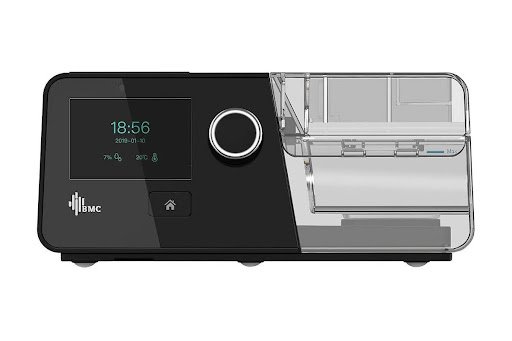
Continuous Positive Airway Pressure (CPAP) machines have become a cornerstone in the treatment of sleep apnea, a condition that affects countless individuals worldwide. These innovative devices are designed to keep the airways open during sleep, preventing the lapses in breathing that characterise this disorder. As awareness of sleep apnea increases, more people are turning to CPAP machines as a reliable solution. For a comprehensive range of cpap machines, patients can explore various advanced options that cater to different needs.
Understanding Sleep Apnea
Sleep apnea is characterised by repeated interruptions in breathing during sleep. These interruptions can last from a few seconds to several minutes and often result in poor sleep quality. The most common form of sleep apnea is obstructive sleep apnea (OSA), which occurs when the throat muscles relax excessively, blocking the airway.
The Role of CPAP Machines in Treatment
CPAP machines are highly effective in treating obstructive sleep apnea. They work by delivering a steady stream of air through a mask worn during sleep. This air pressure keeps the airway open, preventing the breathing cessation episodes that disrupt sleep and potentially cause health issues like high blood pressure and heart problems.
Components of a CPAP System
Each CPAP system typically includes a mask that covers the nose or both the nose and mouth, a tube connecting the mask to the machine, and the machine itself, which generates the airflow. Some modern CPAP machines come with additional comfort features, such as heated humidifiers and adjustable settings.
Benefits of Using CPAP Machines
The use of CPAP machines provides numerous benefits beyond merely reducing sleep apnea symptoms. Users often report improved sleep quality, reduced daytime fatigue, and a decreased risk of associated health complications. Moreover, consistent CPAP usage can enhance overall quality of life by restoring more restful sleep patterns.
Types of CPAP Masks
Choosing the right mask is crucial for effective CPAP therapy. There are several types of masks available, including nasal masks, full-face masks, and nasal pillow masks. Each type has its advantages and is suitable for different sleeping habits and comfort levels.
Nasal Masks
Nasal masks are commonly used as they provide a good balance between minimalist design and effective coverage. They tend to be comfortable for side sleepers and those who require a stable fit throughout the night.
Full-Face Masks
Full-face masks cover both the nose and mouth. They are ideal for individuals who breathe through their mouths or have issues with nasal congestion. Although they are bulkier, many find them comfortable and secure.
Nasal Pillow Masks
Nasal pillow masks are very compact and light. They fit directly into the nostrils, making them ideal for those who feel claustrophobic in larger masks. They can also be a great choice for those who wear glasses or sleep on their sides.
Challenges and Adaptation
While CPAP machines are highly effective, some users may experience initial discomfort. Common issues include dry mouth, nasal congestion, or discomfort from the mask. However, with advances in technology and personalisation options, these challenges can be mitigated to enhance user experience.
The Future of CPAP Technology
As technology progresses, CPAP machines are becoming more sophisticated. Current developments focus on making devices more user-friendly, quieter, and smarter. Innovations such as auto-adjusting pressure settings, integrated smartphone apps for tracking therapy, and even advanced humidification systems are paving the way for more personalised and efficient treatment options.
Smart CPAP Devices
Smart CPAP devices offer a range of features that can track usage patterns, compliance, and therapy effectiveness. These devices often come with connectivity options that allow healthcare providers to monitor progress remotely and make necessary adjustments for optimal treatment outcomes.
Portable CPAP Machines
For those who travel frequently, portable CPAP machines provide the convenience of effective therapy on the go. These devices are compact, lightweight, and easily packed, ensuring that treatment is consistent, even away from home.
Conclusion
CPAP machines have undoubtedly revolutionized the treatment of sleep apnea. With their proven effectiveness and continuous technological advancements, they remain a pivotal solution in managing the condition. As more patients and healthcare professionals embrace CPAP therapy, the quality of life for individuals with sleep apnea is significantly improved.