



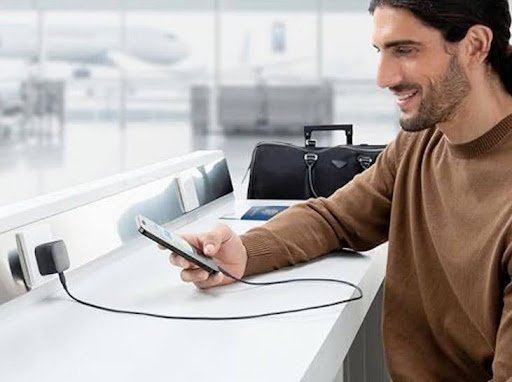
Fast chargers have moved from being optional accessories to decision-shaping factors in modern purchases. People no longer ask only what a device can do. They ask how quickly it fits into their day. Time has become a visible cost. Waiting for batteries to refill feels more frustrating than ever, especially when phones, laptops, and wearables support constant connectivity. Fast charging speaks directly to this pressure. It promises flexibility, freedom, and control over daily schedules. As a result, fast chargers now influence not only accessory choices, but also how consumers evaluate devices, brands, and overall value before making a purchase.
How Fast Charging Shapes Consumer Expectations
Time Efficiency Becomes A Core Value
Fast charging changes how people define convenience. Consumers increasingly evaluate products through the lens of time saved. A device that charges quickly reduces downtime and restores independence. Buyers imagine real situations rather than technical scenarios. They picture short breaks between meetings, quick airport stops, or brief moments at home. Fast charging fits into those gaps. This mindset reshapes expectations. Buyers assume charging should adapt to life, not the other way around. When products align with this expectation, they feel modern and practical. When they do not, they feel outdated. Time efficiency has become a deciding value rather than a bonus feature.
Charging Speed Signals Product Modernity
Consumers often associate fast charging with up-to-date technology. It signals that a product belongs to the present rather than the past. Buyers read charging capability as a marker of innovation. Even without understanding technical details, they recognize speed as progress. This perception influences purchasing behavior. Products that support fast charging feel more future-ready. They appear aligned with current standards and lifestyles. In contrast, slower charging feels like friction built into the experience. Fast charging reassures buyers that they are investing in something designed for current demands rather than yesterday’s habits.
Reduced Battery Anxiety Builds Confidence
Battery anxiety affects purchasing decisions more than many realize. People worry about running out of power at inconvenient moments. Fast charging reduces that fear by shortening recovery time. Buyers feel more confident knowing they can regain usable battery quickly. This confidence influences brand trust. A product that supports fast charging feels dependable. Buyers believe it will support them during busy days or unexpected situations. Over time, this emotional reassurance becomes a deciding factor. People gravitate toward products that minimize stress and uncertainty, and fast charging directly addresses that need.
Why Fast Chargers Affect Brand And Accessory Choices
Accessories Become Part Of The Buying Ecosystem
Fast chargers no longer feel like secondary purchases. They become part of the product ecosystem buyers evaluate together. Consumers consider whether their charger matches their device’s capabilities. They look for consistency across devices. This behavior shifts attention toward accessories that support fast charging reliably. A fast charger becomes a practical extension of the device rather than a separate item. Buyers increasingly seek solutions that work smoothly together. Brands that emphasize compatibility and ease of use benefit from this mindset. They feel cohesive and thoughtful rather than fragmented.

Trust And Reliability Influence Purchase Decisions
Fast charging raises expectations around safety and consistency. Buyers want speed without unpredictability. They evaluate brands based on whether they trust them to deliver reliable performance. This trust affects decisions even when prices differ. Consumers prefer accessories that feel stable and well-designed. Brands like Anker earn attention here by focusing on dependable everyday charging rather than exaggerated claims. When buyers trust a brand to handle power responsibly, they feel more comfortable choosing it. Reliability becomes just as important as speed in shaping purchasing behavior.
Simplified Choices Reduce Decision Fatigue
Modern buyers face endless options. Fast charging helps narrow choices. Consumers quickly filter products based on whether they meet minimum speed expectations. This filtering simplifies decisions. Products that fail to meet these expectations often leave the shortlist early. Buyers appreciate solutions that remove complexity. Fast charging acts as a clear signal that a product aligns with modern needs. This clarity reduces decision fatigue. Consumers move faster toward confident purchases. Accessories and devices that communicate speed clearly gain an advantage in crowded markets.
Conclusion
Fast chargers influence buying decisions today because they align with how people value time, confidence, and simplicity. Charging speed shapes expectations around convenience and modernity. It reduces anxiety and builds trust in daily use. Buyers now evaluate devices and accessories as connected systems rather than isolated products. Fast charging plays a central role in that system. It helps consumers feel prepared for busy, unpredictable days. Brands that emphasize reliable fast charging, such as Anker, benefit from this shift by offering solutions that feel practical rather than excessive. As time continues to shape consumer priorities, fast charging will remain a powerful driver of purchasing decisions.