



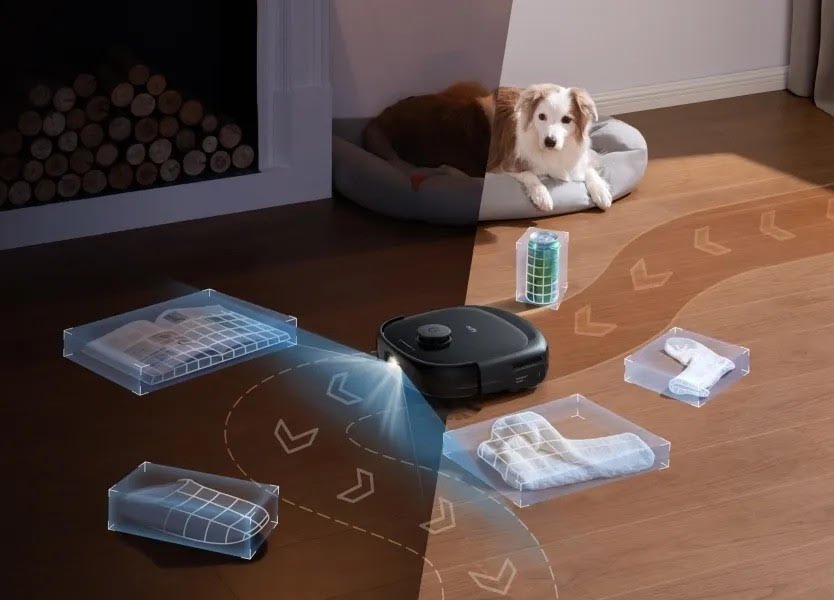
A robot vacuum mop works best when you set a clear schedule that matches your home and habits. Use it too little and dust, hair, and grime build up fast. Run it too often, and you may waste time, power, and pads without seeing extra benefits. The ideal frequency depends on home size, flooring, pets, and foot traffic. Many experts suggest daily or near‑daily vacuuming in busy homes and mopping a few times per week. With smart mapping, zones, and app control, you can fine‑tune when and where your robot cleans to keep floors fresh with minimal effort.
Factors That Affect Your Cleaning Frequency
Home Size, Foot Traffic, and Lifestyle
Large homes and busy households usually need more frequent robot vacuum and mop runs. A small studio with one person can stay clean with light daily vacuuming and mopping two to three times a week. Add more people, kids, or frequent guests, and crumbs and dust multiply, especially near entries and kitchens. If you cook often, work from home, or wear shoes indoors, debris builds up faster on floors. People who rarely stay home or travel often can run their robot less. Always watch how dirty the dustbin and mop pad get; they show if your current schedule is enough.
Flooring Types and Dirt Accumulation
Floor type has a big impact on how often you should run a robot vacuum mop. Hard floors like tile, vinyl, and sealed hardwood show dust, hair, and spills quickly, so frequent vacuuming plus regular mopping helps keep them spotless. Thin rugs and low‑pile carpets trap fine dust and pet hair, which may call for daily or every‑other‑day vacuuming. High‑pile carpets usually need more powerful suction and sometimes a separate vacuum, but you can still use the robot for hard floor zones. Notice where dirt collects most, such as hallways and kitchens, and schedule extra passes in those areas.
Pets, Allergies, and Seasonal Changes
Homes with shedding pets need more frequent cleaning than homes without animals. Pet hair, dander, and tracked litter or soil can demand daily vacuuming and mopping several times a week, especially near feeding and litter areas. If someone in your home has allergies or asthma, frequent runs help remove dust, pollen, and pet allergens from floors. Seasonal changes also affect how often you clean. Spring and fall can bring more pollen and outdoor debris. Wet or snowy seasons add mud and salt. During these periods, you may want to increase your robot’s schedule, then scale back when conditions improve.
Recommended Cleaning Schedules for Different Homes
Small Homes, Apartments, and Low-Traffic Spaces
In a small apartment or studio with one or two adults and no pets, a simple schedule often works well. Set the robot vacuum to run once a day or every other day to control dust and crumbs. Schedule mopping two to three times per week, focusing on kitchens, bathrooms, and entryways. If you mostly go barefoot or wear slippers, floors stay cleaner longer, so you may reduce vacuuming to three to four times per week. Watch for visible dirt or sticky spots. If the dustbin stays almost empty and the pads look clean, your current schedule may already be enough.
Families, Pets, and High-Traffic Households
Larger families, homes with kids, and pet owners usually benefit from daily robot vacuuming. Crumbs, tracked dirt, and pet hair accumulate fast, especially in open living spaces and hallways. Many users run the robot once a day in common areas and every other day in bedrooms. For mopping, three to five times per week often keeps hard floors fresh, with extra focus on kitchens, dining rooms, and pet zones. You can schedule a quick clean after meals or before guests arrive. If you notice hair tumbleweeds or gritty floors by evening, consider adding a second shorter run in hotspots.
Mixed Flooring and Smart Cleaning Zones
If your home has a mix of hard floors and carpets, smart mapping and zones help you clean more efficiently. Use the app to create zones for kitchens, bathrooms, entries, and pet areas, then schedule those for daily vacuuming and frequent mopping. Set living rooms and hallways for daily or every‑other‑day runs, depending on use. Bedrooms and low‑traffic rooms may only need cleaning two to three times per week. Exclude rugs that do not handle moisture, or set “vacuum‑only” on carpeted zones if your robot supports it. Adjust schedules after a week based on dustbin levels and floor appearance.
Tips to Get the Best Cleaning Results Every Day
To get consistent results, keep floors as clutter‑free as possible so the robot can move smoothly. Pick up cords, toys, and loose fabrics before scheduled runs. Empty the dustbin and rinse or replace mop pads after each session or whenever they look full or grimy. Check side brushes and wheels weekly for hair tangles. Use virtual walls or no‑go zones to block cables, delicate rugs, or pet bowls. Run the robot when everyone is out or asleep, if it is quiet enough, so it can work without interruptions. Review cleaning reports in the app and refine routes and frequency.
Conclusion
There is no single perfect schedule for every robot vacuum mop, but you can find the ideal routine by watching your floors and adjusting over time. Light‑traffic homes often do well with frequent vacuuming and mopping a few times a week, while busy, pet‑friendly households usually need daily runs and more regular mopping. Use smart mapping, zones, and app controls to target the dirtiest areas without overworking the robot. Keep the machine clean and well-maintained so each session reaches its full potential. With a thoughtful schedule, your robot can quietly maintain cleaner floors with minimal effort.