



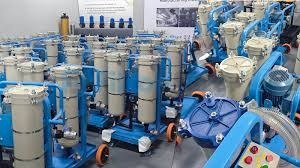
Hydraulic systems are essential in a wide variety of industrial applications, from manufacturing and construction to agriculture and transportation. These systems rely on hydraulic fluid to transmit power, control movement, and operate machinery. However, over time, hydraulic fluid can become contaminated with dirt, metal particles, water, and other impurities, leading to performance issues and increased maintenance costs. This is where oil filtration comes into play. In this article, we explore how oil filtration can significantly improve the efficiency of hydraulic systems, ensuring optimal performance, reducing maintenance costs, and extending the lifespan of equipment.
The Role of Hydraulic Fluid in Hydraulic Systems
Hydraulic systems operate by transmitting power through hydraulic fluid, which is usually oil. This fluid transfers energy from the pump to the actuators, controlling the movement and function of various components, such as cylinders, valves, and motors. Hydraulic fluid must meet specific performance criteria, including high viscosity, low compressibility, and resistance to wear and corrosion, to effectively power machinery and ensure smooth system operation.
However, as hydraulic fluid circulates through the system, it inevitably becomes contaminated with various particles and contaminants. This contamination can cause the fluid to lose its effectiveness, resulting in system inefficiencies, equipment damage, and higher energy consumption. Oil filtration is the solution to this problem, as it ensures that the hydraulic fluid remains clean, allowing the system to function at its best.
Common Contaminants in Hydraulic Fluid
The performance of a hydraulic system depends heavily on the cleanliness of the hydraulic fluid. Contaminants in the oil can significantly impact system efficiency, causing a wide range of issues, including premature wear, corrosion, and reduced operational lifespan. Some of the most common contaminants found in hydraulic systems include:
- Dirt and Dust Particles: These particles, which can be introduced from the environment or from the wear and tear of system components, can scratch and damage critical parts such as pumps, valves, and cylinders.
- Metal Debris: As hydraulic system components experience friction and wear, tiny metal particles can be released into the fluid. These metal debris can accelerate further wear on components, leading to system breakdowns.
- Water Contamination: Water can enter the hydraulic fluid through condensation, leaks, or external sources. Water in hydraulic fluid can cause rusting, corrosion, and reduced lubrication properties, leading to poor system performance.
- Air Bubbles and Gases: Air trapped in hydraulic fluid can reduce efficiency by compressing the fluid and causing erratic system behavior. It can also lead to cavitation, which damages components.
- Chemical Contaminants: Contaminants such as acids, solvents, or other chemicals can degrade the hydraulic fluid, leading to corrosion of system parts and increased wear.
- Degraded Oil: Over time, hydraulic oil can break down due to high temperatures, chemical reactions, and exposure to contaminants. This degradation leads to the formation of sludge and other harmful by-products that can clog filters and reduce the fluid’s efficiency.
How Oil Filtration Enhances Hydraulic System Efficiency
Oil filtration plays a crucial role in maintaining the cleanliness of hydraulic fluid and, by extension, the overall efficiency of the system. By removing contaminants from the oil, filtration helps to prevent equipment damage, reduce energy consumption, and ensure consistent performance. Here are some key ways in which oil filtration improves hydraulic system efficiency:
- Reduced Wear and Tear on Components:
- Contaminants such as dirt, metal debris, and water can cause significant wear on hydraulic components, including pumps, motors, valves, and cylinders. When these contaminants are removed through effective oil filtration, the components are protected from abrasion and corrosion, extending their lifespan and reducing the need for costly repairs.
- Maintained Fluid Viscosity and Performance:
- The viscosity of hydraulic fluid is crucial for proper fluid flow and system operation. Contaminants, such as metal particles and degradation by-products, can alter the fluid’s viscosity, causing it to become too thick or too thin. This can lead to erratic performance, overheating, and increased energy consumption. Filtration helps maintain the desired viscosity and ensures consistent fluid performance, keeping the hydraulic system running smoothly.
- Improved System Efficiency:
- Clean hydraulic fluid improves the overall efficiency of the system. By removing contaminants, oil filtration ensures that the fluid flows freely through the system, reducing friction and energy loss. This leads to more efficient power transmission and a reduction in overall energy consumption, which can lower operating costs.
- Prevention of System Failures and Downtime:
- Contamination of hydraulic fluid can lead to system malfunctions, breakdowns, and unplanned downtime. For example, air bubbles or water contamination can cause erratic operation, while metal debris can damage sensitive components. Regular oil filtration prevents these issues by ensuring that the fluid remains free of contaminants, reducing the likelihood of unexpected failures and minimizing downtime.
- Enhanced Heat Dissipation:
- Contaminants in hydraulic fluid can reduce the fluid’s ability to dissipate heat effectively. This can lead to overheating and potential damage to system components. Clean hydraulic fluid, on the other hand, helps to maintain optimal operating temperatures, ensuring that the system runs efficiently and preventing overheating-related failures.
- Extended Fluid Life:
- Oil filtration helps to extend the life of hydraulic fluid by removing contaminants that can cause it to degrade prematurely. Clean fluid remains effective for longer periods, reducing the need for frequent oil changes and lowering operational costs. This also contributes to sustainability efforts by reducing the amount of used oil that needs to be disposed of.
Types of Oil Filtration Systems Used in Hydraulic Systems
There are various methods and technologies available for filtering hydraulic oil, depending on the size of the system, the level of contamination, and the desired performance. Some of the most common oil filtration methods include:
- Full Flow Filtration:
- Full flow filtration is a process in which all the hydraulic fluid passes through the filter before returning to the system. This is typically used in smaller systems with lower contamination levels. Full flow filters are designed to remove large particles and are often equipped with replaceable or cleanable filter elements.
- Bypass Filtration:
- In bypass filtration systems, only a portion of the hydraulic fluid is filtered at any given time, while the rest of the fluid continues to circulate through the system. This method is commonly used for larger systems or when the filtration process needs to operate continuously. Bypass filters are often equipped with finer filtration media to remove smaller contaminants.
- Magnetic Filtration:
- Magnetic filters use magnetic fields to capture ferrous particles, such as metal debris, from the hydraulic fluid. These filters are particularly effective at removing small metal particles that can cause significant damage to system components.
- Micro Filtration and Ultra-Filtration:
- For systems requiring high precision, microfiltration and ultrafiltration systems are employed. These systems use fine filter elements to remove very small particles and contaminants, such as bacteria, that could negatively affect system performance.
- Offline Filtration:
- Offline filtration systems operate independently of the main hydraulic circuit. Fluid is routed through a separate filtration unit, which filters contaminants and returns clean fluid to the system. This method is often used for large hydraulic systems where continuous filtration is necessary.
Best Practices for Hydraulic Oil Filtration
To maximize the efficiency of hydraulic systems, it is important to implement the right oil filtration practices. Some of the best practices include:
- Regular Maintenance and Monitoring:
- Regularly inspect and maintain filtration systems to ensure that filters are not clogged or damaged. Monitoring the cleanliness of the hydraulic fluid and performing regular oil analysis can help identify potential issues before they cause significant problems.
- Choose the Right Filtration System:
- Select a filtration system that suits the specific needs of the hydraulic system. Consider factors such as the type of contaminants, system size, and desired filtration level.
- Optimize Filter Replacement Schedules:
- Follow the manufacturer’s recommendations for filter replacement intervals. In many cases, filters need to be replaced or cleaned regularly to ensure optimal performance.
- Control Environmental Contamination:
- Prevent contaminants from entering the hydraulic system in the first place by ensuring that the environment around the system is clean and well-maintained.
Conclusion
Oil filtration is a critical process for improving the efficiency, reliability, and longevity of hydraulic systems. By removing contaminants from the hydraulic fluid, businesses can protect their equipment, reduce maintenance costs, improve energy efficiency, and minimize downtime. Whether through full-flow filtration, bypass filtration, or other advanced filtration methods, ensuring that hydraulic fluid remains clean is key to optimizing system performance and ensuring smooth operations. By investing in proper oil filtration practices, industries can maintain hydraulic systems that deliver consistent, high-performance results for years to come.