For those managing diabetes, it’s common to find oneself caught in a peculiar mental cycle regarding foot care.
On one hand, there’s a desire to increase your walking. Walking benefits circulation, aids in blood sugar management, enhances mood, improves sleep, and contributes positively to overall well-being. Conversely, concerns arise regarding blisters, sore areas, numbness, swelling, cracked skin, and the persistent anxiety of “What if I overlook something in its early stages?”
The objective is not to overlook footcare. The aim is to integrate it seamlessly into your daily life, making it so effortless that it no longer occupies your thoughts. Please verify. You safeguard. You stroll. Your life brings you joy.
This blog presents a straightforward, no-fuss footcare routine tailored for your walking habits. It focuses on proactive measures, ease, and reliability, rather than anxiety. Indeed, the choice of footwear significantly contributes to simplifying this process.
A straightforward footcare routine for those with diabetes involves daily foot inspections, maintaining clean and moisturized skin (avoiding the areas between the toes), careful management of calluses, early protection of sensitive areas, wearing smooth moisture-wicking socks, and selecting shoes that minimize friction and pressure. Increase your walking distance slowly, alternate your shoes, and promptly address any signs of redness, blisters, or cuts. The goal is to integrate footcare into your routine seamlessly, ensuring that walking remains both safe and pleasurable.
Why routine matters more than “perfect”
A simple approach is all you require. A consistent approach is essential.
Foot issues typically develop gradually over time. They develop from minor irritation, consistent pressure, and subtle skin alterations that go unnoticed for a week. A routine ensnares the early birds.
Consider footcare as essential as maintaining oral hygiene. You’re not engaging in this with the anticipation of calamity on the horizon. Engaging in small daily upkeep helps avert larger problems down the line.
The mindset shift: walking comes first, footcare supports it
Many pieces of guidance can create a sense that walking carries inherent dangers.
Walking is not the adversary. The adversary lies in the challenges of friction, the weight of pressure, and the failure to recognize issues at an early stage.
Your routine ought to instill a sense of safety in walking, rather than fear.
Rather than saying, “I should walk but I’m worried,” it transforms into, “I walk, and I am fully aware of how to protect my feet.”
The daily routine that takes 3 to 5 minutes
1) The 30-second foot check (morning or evening)
Select a time that you can genuinely commit to. The morning holds a certain charm. The evening presents a true depiction of reality. Both options are acceptable.
Look at:
- The heel and sides
- The ball of the foot
- The tips and tops of toes
- Between toes
- Around the nail edges
You’re watching for:
Crimson hues that were absent just a day prior
- Swelling
- Cracks
- Cuts
- Blisters
Regions that appear glossy or inflamed
Recent callus development
Is there any variation in warmth between the feet?
If bending proves challenging, consider utilizing a small mirror. The focus should be on consistency rather than acrobatics.
2) A quick wash and dry (especially between toes)
- Wash your feet every day using gentle soap and water.
- Ensure complete dryness, particularly in the spaces between your toes. Trapped moisturebetween the toes can result in skin deterioration and fungal complications.
- Maintain simplicity. Most days, simplicity and effectiveness outshine “special products.”
3) Moisturise the right way
Hydration wards off fissures and maintains skin’s strength.
Apply moisturiser to:
- Heels
- Soles
- Sides of feet
Refrain from using moisturiser in the spaces between your toes. It is essential for that area to remain dry.
If you tend to develop heel cracks, applying a thicker cream at night may provide relief.\
Wearing socks over well-moisturized feet at night can help retain moisture, provided the skin is intact and not overly softened.
4) Nail care: small, regular, calm
- Trim nails straight across.
- Avoid cutting nails too short.
- Smooth rough edges with a file.
When dealing with thick, curved nails that are difficult to reach, or if you’ve experienced nail infections in the past, seeking professional assistance is advisable. Nails often lead to situations where a minor injury escalates into a larger issue, particularly when individuals are in a hurry.
5) Callus care: treat it like pressure evidence
Calluses serve a purpose beyond mere appearance. They indicate that pressure is building up.
Should you notice a recurring thickening of the skin in a specific area, consider inquiring:
- Is my shoe causing friction here?
- Is my shoe overly snug or excessively narrow?
- Am I slipping forward within the shoe?
- How can I tell if my insole is worn out?
After bathing, you may delicately employ a pumice stone on unbroken skin, but steer clear of harsh scraping or the use of blades. Excessive effort may lead to tiny abrasions.
The true answer frequently lies in the realm of footwear and the way pressure is distributed.
The walking routine: how to build consistency without overloading feet
Transitioning abruptly to a completely new routine can quickly lead to blisters and discomfort.
Rather, develop walking as a form of training.
Week 1: short and frequent
Strive for brief strolls that avoid generating friction hot spots. A mere ten minutes suffices.
Your goal is to learn:
- Where your shoes rub
- How your socks behave
- How your feet respond
Week 2 to 4: add time gradually
Gradually extend your walking duration. When you notice any discomfort, take action promptly rather than enduring it.
Walking ought to embody a sense of forward motion, rather than a form of discipline.
The simple rule: no new pain patterns
A touch of fatigue is perfectly acceptable.
Fresh irritation, increased redness, sudden sharp pain, and new numbness indicate it’s time to pause and make adjustments.
Socks are not optional details
Regular walking makes socks an essential component of your footcare routine.
Look for socks that:
- Feel smooth inside
- Have minimal toe seams
- Manage moisture
- Remain securely positioned without gathering
Folds create resistance. Hydration enhances the texture of the skin. Delicate skin is more prone to blisters.
For those longer days, it’s wise to have an extra pair of socks handy if you tend to sweat a lot. A simple practice that wards off significant unease.
Footwear: the biggest lever for walking without worry
This is the pivotal point where most routines find their success or meet their downfall.
Shoes ought to minimize friction and distribute pressure evenly. This signifies:
- A reliable heel to prevent any slipping of the foot
- A spacious toe area, ensuring toes have ample room to move freely.
- Seamless interiors designed for comfort
- A solid foundation, where equilibrium brings tranquility
- Sufficient depth for comfort and any insoles if required.
If your shoes leave red marks, cause squeezing, or slip at the heel, your routine will feel like an ongoing battle.
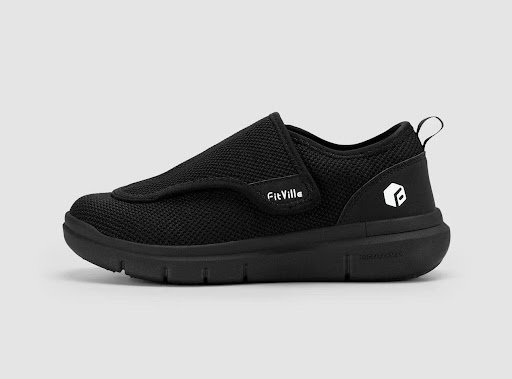
That’s why selecting footwear crafted for optimal comfort in managing diabetes can simplify the daily routine. For a hands-on approach, explore a specialized selection such as diabetic shoes, and then refer to the fit checks provided to ensure that the pair you select effectively minimizes friction and pressure.
The fit checks you should do before committing to shoes
1) The standing toe check
Rise up and give your toes a little wiggle.
What you seek is freedom, not constraint.
If toes make contact with the sides, the situation will deteriorate as the feet begin to swell.
2) The heel slip check
Stride purposefully for a minute.
If your heel keeps lifting, you might be at risk for blisters. The heel hold ought to provide a sense of security while avoiding excessive tightness.
3) The 30-minute home test
Try on your new shoes inside for half an hour.
Early indicators reveal hot spots. If you sense a particular discomfort, pay attention to it. The friction turns into a blister after extended walking.
4) The end-of-day check
Whenever you can, try on shoes later in the day when your feet are a bit fuller.
If footwear feels constrictive in the evening, it is probably too snug for genuine walking activities.
The “hot spot protocol” that prevents blisters
Should you encounter a hot spot while taking a stroll:
- Stop.
- Check the area.
- Dry it if moisture is involved.
- Cover it with tape or a blister plaster.
- Adjust socks or lacing.
- Then continue if it feels resolved.
Forcing your way through a sensitive area is a surefire way to develop a sore.
This represents a significant change in perspective: you are not overreacting. You are safeguarding against harm.
Walking plus footcare: the simple weekly plan
A complex schedule isn’t necessary; what you truly need is a sense of rhythm.
Daily:
- Foot check
- Clean and dry
- Moisturise correctly
Occasionally, two or three times each week:
Careful handling of calluses as necessary
Examine the insoles and interior of the shoes for any signs of wear, accumulated grit, or curled edges.
Weekly:
- Alternate your footwear if you possess multiple pairs.
- Ensure that the socks are not worn out or sliding down.
- Examine the areas where calluses are developing and consider the pressure patterns that may be contributing to their formation.
If you consistently encounter the same source of discomfort, consider altering your footwear choice. That’s the mechanism that restores the ease of walking once more.
When to take action fast
If you see:
- A blister that breaks
- A cut that doesn’t look clean
- Redness that keeps spreading
- Swelling with warmth
- Any sign of infection
- Any wound that isn’t improving quickly
Approach it with the utmost seriousness and seek guidance from a qualified expert. When it comes to diabetes, taking action promptly is the wisest choice, rather than delaying.
FAQs
How often should I check my feet if I walk daily?
Daily is best. It becomes swift once it’s ingrained as a routine. A quick 30-second assessment can stop minor problems from escalating into major ones.
Should I moisturise every day?
Daily moisturising on heels and soles is advantageous for many, particularly when the skin becomes dry or cracked. Refrain from applying moisturiser in the spaces between your toes.
Are blisters always a shoe problem?
Typically, these issues arise from factors such as improper shoe fit, heel slippage, seams, wrinkles in socks, or excess moisture. At times, it can be an abrupt rise in the amount of walking as well.
Do I need special shoes to walk with diabetes?
Not always, but your shoes must reduce friction and pressure. Many standard shoes fail that test. Diabetes-friendly options like diabetic shoes can make walking routines easier by prioritising comfort and safer fit features.
While it may not be the case every time, it’s essential for your shoes to minimize friction and pressure. Numerous conventional shoes do not meet that standard. Options that cater to those managing diabetic shoes, such as specialized footwear, can enhance walking routines by emphasizing comfort and ensuring a secure fit.
What’s the safest way to build up walking?
Begin with brevity, build up progressively, and react swiftly to areas of high interest. Steady effort triumphs over sheer force.
Final takeaway
The most effective footcare routine is the one that seems simple and unexciting enough for you to stick with it consistently.
- Check your feet.
- Keep skin clean and dry.
- Moisturise wisely.
- Manage calluses gently.
- Wear smooth socks.
- Choose shoes that reduce friction and pressure.
- Build walking gradually.
- Treat hot spots early.
That’s the way to establish a practice centered on walking, free from concern.
If you’re seeking footwear that aligns with that perspective, begin with diabetic shoes and select based on the fit tests outlined in this guide. The perfect footwear goes beyond mere foot protection. They safeguard your regularity, which is what transforms walking into a genuine routine.