



Introduction
Security fencing is not a one-size solution. Different sites face many different risks and require different adaptation of security. A school has different needs than a warehouse, which both differ greatly from the needs of a data center. Companies must consider how many layers they require, what level grade level they need based on threats, and whether or not they need to consider aesthetic or other urban area questions.
When people compare an anti-climb fence with high-security mesh fencing, they are usually trying to answer one question: which option actually fits my site?
Below is a practical way to decide, based on key considerations offered by experts.
What an Anti-Climb Fence Is About
An anti-climbing fence is all about discouragement.
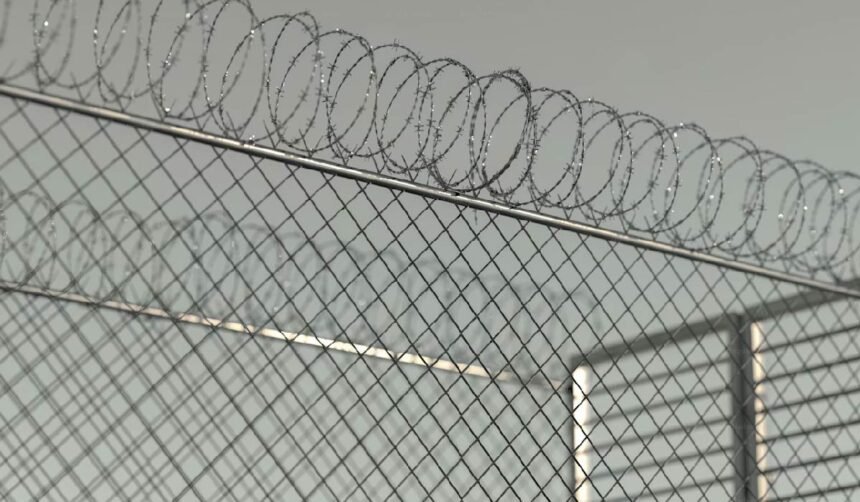
The mesh openings are tight. Fingers don’t fit, and shoes can’t find grip. Most people take one look and move on. And that’s the point!
This type of fence works well around:
- Schools
- Apartment complexes
- Warehouses
- Sports facilities
- Commercial properties near public areas
Without shouting, it sends the message: “This area is not for climbing or breaching.”
Another key feature of anti-climbing fencing is how it looks. Anti-climb fences are clean and don’t feel hostile while still being highly protective. Especially In public-facing spaces, this matters more than you’d think.
From a budget point of view, it is generally much easier to manage. This is due to installation tending to be simple, and ongoing maintenance being very limited. Once installed, it provides consistent protection without requiring much attention.
If the main concern is casual access or opportunistic entry, an anti-climbing fence is often sufficient.
What Sets High-Security Mesh Fencing Apart
High-security mesh fencing is built for tougher environments. Yes, it also prevents climbing, but that is only part of the picture.
The wire is typically thicker, and the welds are designed to be stronger. Thus, cutting through the fence requires more time, creates noise, and usually involves specialised equipment. In higher-risk locations, that added delay is an important part of overall security.
High-security mesh fencing also works well with electronic systems. CCTV, motion sensors, alarms, and access control integrate very easily due to the fence structure and visibility.
The fence has a more industrial appearance, which naturally signals caution. It makes it clear that this is not an area to take chances.
Installation and Long-Term Costs
The initial price of a fence is only part of the picture. Anti-climb fences are generally quicker to install, with fewer specialized components, and repairs are usually straightforward. This simplicity makes them easier to manage over time and keeps costs predictable.
High-security mesh fencing comes with a higher upfront cost. The materials are heavier, the posts are stronger, and installation requires greater precision. However, that investment can pay off in the long run as it reduces breaches, lowers repair needs, and decreases liability, all of which make the higher initial cost worthwhile, especially for sites where downtime or security failures would be costly.
Conclusion
The decision isn’t about which fence is “better,” but which one fits the site’s needs. Anti-climb fencing works well where climb resistance, appearance, and cost are priorities. High-security mesh fencing suits areas needing stronger protection, cut resistance, and compatibility with advanced security systems. Look at risk, context, and purpose, and the right fence will follow naturally.
At CLD Systems we take the time to understand your site needs and ensure that you are given the depth of security you need at the most effective cost for you.