



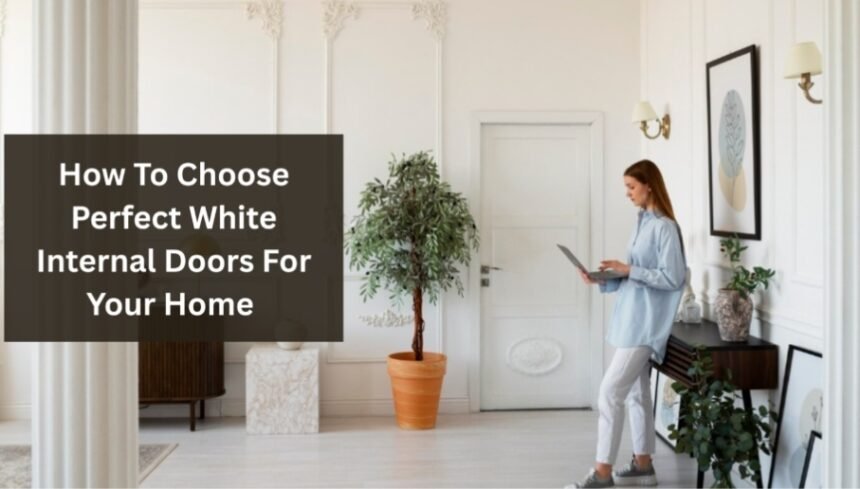
Selecting internal doors can be easier than it sounds, particularly where white appears like a safe, easy choice. But as soon as you begin to compare styles, finishes, and materials, confusion swiftly arises.
You might be concerned with choosing doors that seem flat, do not match interiors, or show wear easily. Meanwhile, finding a balance between design, durability, and long-term value may be overwhelming.
However, it is much easier to choose white internal doors when you pay attention to the details that are more practical and actually matter. When approached correctly, such doors have the capability to enhance light, unify spaces, and allow everyday use without the need to fix.
The article discusses major considerations that enable you to select white internal doors that best fit your layout, lifestyle, and interior style with confidence.
1. Design Harmony Across Living Spaces
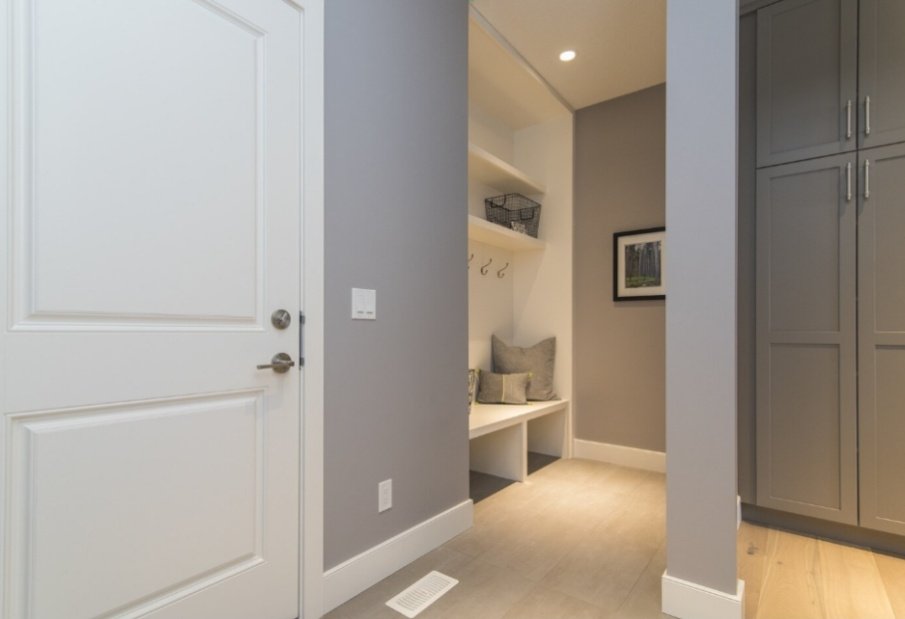
Before getting down to details, it is good to observe how white internal doors fit with the overall interior style. White doors are effective since they become adaptable, yet the adaptation process still involves purpose.
Clean-lined designs are conducive to a modern environment, whereas the paneled alternatives feel more at home in traditional settings. So, initially, judge by the architecture of your house and not by the trends that you find online.
Next, consider visual weight. Minimal doors lead to a harmonious flow, whereas decorative profiles in between rooms add character. Meanwhile, the interior design of the door should be supportive, but not competing with the furniture or the wall ornamentation.
By having style consistency across spaces, doors become more of a connector rather than a visual disruption in the space, and, therefore, make your home feel more together.
2. Structural Strength Behind Door Panels
The quality of construction influences performance and life cycle; hence, this step should be considered carefully. Solid core doors are more sound-resistant and durable; hence, they are used in bedrooms and home offices.
On the contrary, hollow core models are more lightweight and usually fit the low-traffic settings where noise management is not so important. Also, the composition of the material has an effect on the responsiveness of doors to temperature variations.
Timber cores are more resistant to warping than the cheaper ones, particularly the cores of timber used in homes with different levels of humidity. Thus, rather than concentrating on the surface, examining the finish, and finding out how the door will work in the long run is the key.
White doors are also built well to stay stable and maintain the same look over the years.
3. Surface Finish Impact On Daily Use
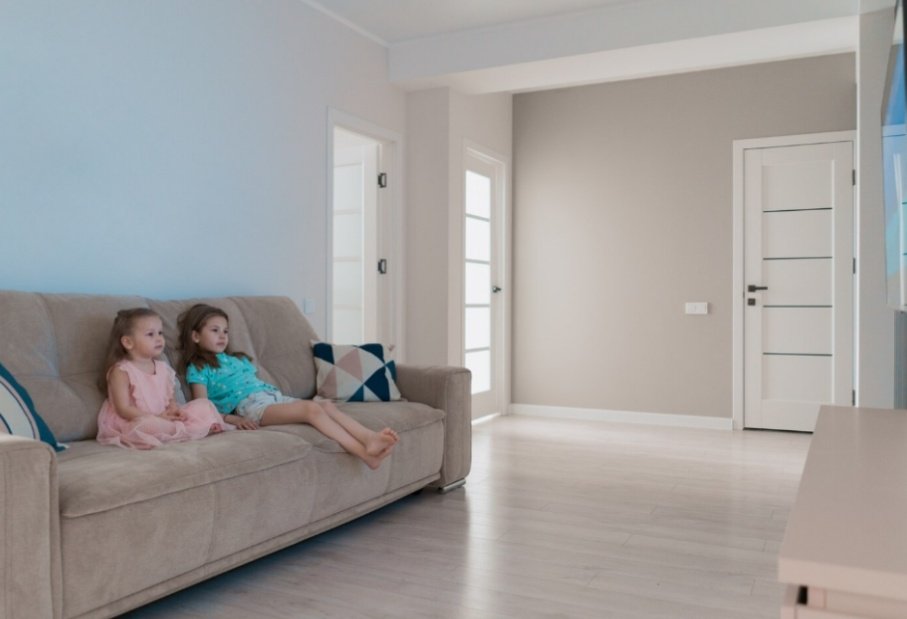
White might seem simple, but the finish option has a great influence on the general appearance. Smooth finishes bring even light reflection and feel modern, but woodgrain textures are subtle and add some warmth to the space without dominating it.
Due to the fact that white accentuates imperfections, the quality of paint is necessary and not optional. High-quality primed or factory-finished doors mean that they do not need to be repainted regularly and do not yellow with time.
Furthermore, durable coatings are more resistant to daily scratches, and this is especially significant in busy households. In assessing finish, think beyond initial appearance, look at the way the surface will wear out. Well-finished doors have a neat appearance and need less maintenance.
4. Panel Layout Influence On Spatial Flow
Panel configuration shapes how the door interacts with room proportions. Single-panel or flush designs create seamless transitions, especially in smaller spaces where visual simplicity matters.
On the other hand, multi-panel layouts add depth and suit rooms with higher ceilings or classic detailing.
Balance plays a key role here. Overly detailed doors can overwhelm compact rooms, while plain designs may feel underwhelming in expansive spaces.
Therefore, match the panel structure with the scale of the room rather than personal preference alone. When proportions feel right, doors naturally enhance spatial harmony instead of drawing unnecessary attention.
5. Hardware Choices Shaping Daily Interaction

Hardware directly affects how white internal doors function and feel in everyday use, which makes this detail more important than it may seem at first. Handles, hinges, and locking mechanisms should support both visual consistency and comfort.
For instance, sleek hardware pairs well with minimal door designs, while more detailed handles complement traditional panel styles. Beyond appearance, functionality deserves equal attention.
Privacy locks suit bedrooms and bathrooms, whereas simple latches work well for shared living spaces. Additionally, door closers and smooth hinge movement reduce noise and wear over time.
When hardware aligns with the door’s purpose and the room’s function, movement between spaces feels natural and uninterrupted. Thoughtful hardware selection also prevents frequent adjustments or replacements, helping doors perform reliably while maintaining their visual balance within interiors.
6. Natural Light Control Between Rooms
White internal doors play a subtle yet effective role in managing light throughout your home. Solid doors help define spaces, while glazed or partially glazed designs allow light to travel between rooms without compromising separation.
This becomes especially valuable in hallways, landings, or rooms with limited natural light. Frosted glass options provide brightness while maintaining privacy, making them suitable for offices or kitchens.
Even fully solid white doors contribute by reflecting light rather than absorbing it, which helps rooms feel brighter and more open. When considering light flow, it helps to think about how rooms connect during different times of day. Doors that support light movement enhance comfort, reduce reliance on artificial lighting, and create smoother visual transitions between connected spaces.
7. Long-Term Care And Practical Performance
Maintenance requirements often determine how satisfied you remain with your doors over time. White finishes highlight marks and wear, so durability should guide your selection.
High-quality coatings resist scuffs, fingerprints, and yellowing, which helps doors maintain a clean appearance with minimal effort. Edge strength and surface resilience matter just as much, particularly in busy households where doors experience frequent contact.
Additionally, doors that are easy to repaint or refresh offer flexibility when interiors evolve. Smooth surfaces simplify cleaning and future updates, reducing long-term upkeep. When performance and maintenance align with daily routines, doors remain dependable rather than demanding.
Prioritizing practical performance ensures white internal doors continue to support your home visually and functionally for years without constant attention.
Conclusion
Selecting white internal doors involves more than choosing a color that feels safe. When you consider style compatibility, construction quality, finish, and long-term use together, the decision becomes clearer and more rewarding.
Each choice you make influences how doors support daily routines, manage light, and connect spaces. Instead of rushing the selection, focusing on these practical factors helps you avoid compromises later.
Ultimately, well-chosen white doors blend effortlessly into your home, offering flexibility, durability, and visual balance that stands the test of time while quietly enhancing every room they serve.