



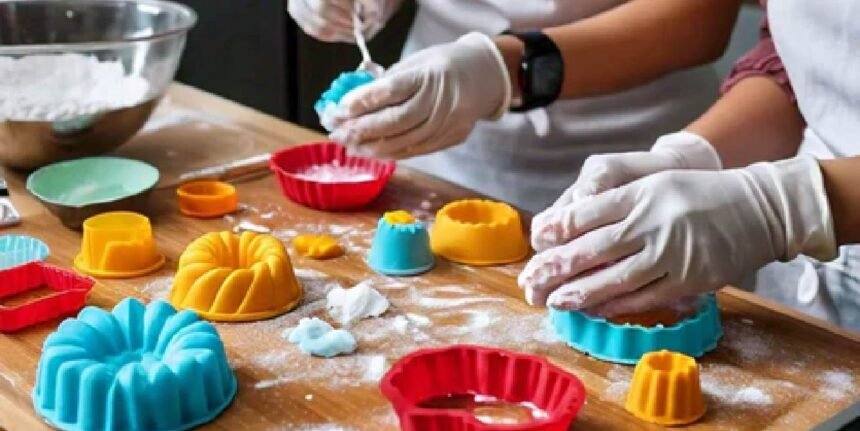
The silicone molds are very common in the baking process, craft works, candle making, and also industrial corners. They are flexible, reusable, and can be formed in any shape, almost any design. But to maintain them, they should also be cleaned well. This silicone mold cleaning guide will detail step-by-step procedures that will make your molds fresh, safe, and durable.
The Importance of Cleaning Silicone Molds
There can also be grease, residue, dust, and stains accrued in silicone molds with time. Not cleaned adequately, these problems can:
- Influence the quality of baked or developed products.
- Decrease the life of the mold.
- Apply products to the mold even after the silicone mold release agent.
- Frequent cleaning keeps the mold hygienic, smelling, and user-friendly.
1. Simple Cleaning between Daily Uses
Molds used to make bread, cakes, etc., may need little more than a simple washing in soap and water.
Steps:
- Wash mold in warm water.
- Use a light dish detergent.
- Lightly wash with a gentle sponge or cloth.
- Wash by increasing the removal of soap.
- Air dry the molds and put them in storage.
Tip: Refrain the use of sharp scrubbers because they might scratch the silicone.
2. Cleaning Up Lodged Grease or Stains
Soap and water do not always work in getting rid of grease and stains, particularly in the baking molds.
Approaches to experiment:
- Baking Soda Paste: Put baking soda and some water, and massage it into the stain.
- White Vinegar: Fill up a mold with some vinegar and warm water solution and leave to soak up to 15-20 minutes. This removes the odor and grease.
- Lemon Juice: This works well to deodorize and eliminate discoloration from light stains.
3. Resin or Craft Molds Deep Cleaning
Further cleanup can be necessary for molds that are used in resin, wax, or soap making.
Steps:
- Remove any residual resin or wax as lightly as possible.
- Wash in warm soapy water.
- Sticky residue can be removed by the use of isopropyl alcohol (70% or above) on a wipe.
- Wash well, dry.
This procedure makes it possible to retain the flexibility of the mold and avoid forming deposits.
4. A Silicone Mold Release Agent
Silicone molds may stick even when they are properly cleaned. The application of a silicone mold release agent before a resin, chocolate, or wax pour aids in reducing residue build-up. Makes it quicker to clean and makes your mold last longer.
5. Suggestions on How to Preserve Silicone Molds.
You can do this by cleaning them thoroughly. Place silicone molds in a pan of cold water. However, you are advised to keep silicone molds in good condition.
The following best practices can help you extend the life of your silicone molds:
- Do not use sharp items to scrape off material that has stuck.
- Do not subject molds to direct flame or to excessive heat.
- Keep store molds flat or standing up, to avoid warping.
- Fasten and dry fully to prevent the use of molds or mildew.
- Every so often, change the molds to prevent over-usage of one specific mold.
Things to Learn Not to Do
Improper cleaning of silicone molds damages them in the hands of many people. So these are some of your pitfalls:
- Applying extreme detergents: Silicone may be harmed by such harsh detergents over time.
- Rubbing with steel wool or other sharp brushes: This results in scratches that house the dirt.
- Failure to rinse soap: Leaving soap on the dishes may interfere with tasting food baked in pieces.
- Putting in dishwasher: despite the mold silicone being dishwasher-safe, it can decrease in flexibility when exposed to high heat occasionally.
Silicone Mold Quick Checklist
When it comes to silicone mold cleaning, the main difficulty is not knowing where to start. Having cleaned silicone molds many times, here is a quick checklist to follow when cleaning these molds.
- Clean with clean, warm, soapy water after each use.
- In the case of grease, baking soda, vinegar, or lemon can be used.
- With resin or wax, there is isopropyl alcohol to use.
- Before use, apply a mold release agent.
- Dry and flat store.
Conclusion
Silicone molds are easy to clean with care. It is possible to avoid stains, unpleasant smells, and breakages, as well as prolong the life of a mold, by just reading this cleaning silicone mold guide. Regardless of which type of mold you are using, whether baking, resin craft, or candle, make sure that the mold is at its best. And when you want no-nonsense disengagement and simple cleanup, a silicone mold release agent is an essential hand tool.