



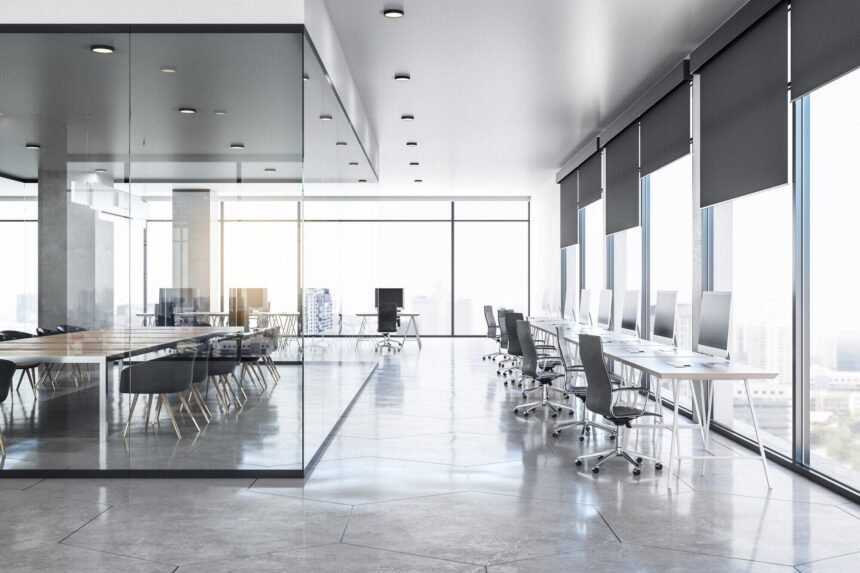
Have you ever noticed how the floor is the first thing people see when they walk into a building?
Whether it is a sleek hardwood lobby or a soft carpeted office, floors silently shape the first impression. Yet, daily foot traffic, spills, and moving furniture slowly wear them down.
Flooring is a major investment, and protecting it saves you from expensive replacements. This article shares simple and effective ways to keep your floors looking new for years.
Regular Cleaning Keeps Floors Strong
Clean floors are not just about looks. Dirt and grit act like sandpaper, scratching and dulling the surface over time. Keeping your floors clean removes the small particles that cause long-term damage.
Sweep or vacuum daily, depending on how busy the area is. Use a mop with the right cleaner for your flooring type. Regular cleaning prevents buildup that weakens your floor’s finish and makes it harder to restore.
Use Protective Mats and Rugs
Mats and rugs are more than decorative touches. They create a shield between shoes and flooring. Placing mats at entrances captures dirt and moisture before they spread inside.
High-traffic areas benefit from runners and rugs that take the pressure off your flooring. Always use rugs with non-slip backing to prevent accidents. This small step keeps your floors safe from unnecessary wear.
Manage Moisture and Spills Quickly
Moisture is one of the biggest threats to flooring. It seeps into cracks, causing swelling, warping, or mold growth. The key is fast cleanup and proper ventilation.
Use absorbent cloths to blot spills instead of wiping them across the floor. Keep humidity levels balanced, especially in areas with wood flooring. A dry, well-ventilated space helps preserve both beauty and strength.
Add Floor Protectors Under Furniture
Furniture legs can cause dents, scratches, and even cracks. One smart solution is adding felt pads or protectors under them. These simple tools prevent friction and reduce pressure on delicate flooring.
Using felt pads is one of the best ways of preventing floor damage from furniture. They allow chairs and tables to glide smoothly without leaving marks. For the best protection, check and replace worn pads regularly. Learn more at ZNet Flooring.
Control Foot Traffic and Shoes
Shoes can carry sand, grit, and water that slowly destroy your floor’s finish. Having a no-shoes policy or indoor slippers helps control this. It also keeps the building cleaner overall.
Place shoe racks near entrances and keep doormats handy. Encourage guests and employees to use them. Controlling what gets tracked in protects your floors from unseen damage.
Refinish or Reseal Floors When Needed
Even with great care, flooring eventually needs a refresh. Refinishing or resealing helps restore its protective layer. It also keeps it looking new without full replacement.
Schedule professional maintenance based on your flooring type. Hardwood floors may need refinishing every few years, while concrete or vinyl may just need resealing. This upkeep extends the life of your investment and saves money in the long run.
Choose the Right Cleaning Products
Using the wrong cleaner can do more harm than good. Harsh chemicals can strip finishes or discolor surfaces. Always check labels and choose products meant for your floor type.
Mild, pH-balanced cleaners are safe for most floors. Avoid bleach or ammonia-based solutions that may cause dullness. The right cleaner keeps your flooring strong, shiny, and safe for years.
Hire Professionals for Deep Maintenance
Professional cleaning goes beyond surface dirt. Experts use equipment and products that reach deep layers without damage. Scheduling regular maintenance keeps your floors in top condition.
They can also spot hidden issues like loose tiles, gaps, or early signs of wear. Fixing these problems early prevents bigger repairs later. Professional upkeep protects your investment for the long haul.
Keep Heavy Equipment in Check
Buildings often use carts, printers, or machinery that move around. These items can leave deep marks or scratches. Always use protective mats or glides under heavy items.
If you need to move equipment, lift it instead of dragging. Small wheels or furniture sliders can also help. Protecting high-pressure points prevents cracks and dents that shorten your floor’s lifespan.
Stay Consistent with Maintenance
A consistent care plan is the secret to long-lasting floors. Skipping cleaning or protection steps allows small damage to grow over time. Consistency keeps your floor durable and attractive.
Create a simple schedule for sweeping, mopping, and inspection. Train building staff to notice issues early. Small daily efforts prevent costly replacements later.
Rotate Furniture Placement
Even the sturdiest flooring can show signs of wear in certain spots. Rotating furniture every few months helps spread out the pressure and prevent uneven fading or dents. It also gives your space a refreshed look without major changes.
Pay attention to high-traffic areas where furniture stays in the same place for long periods. Moving chairs, tables, or shelving even slightly can balance floor stress. This small habit can make a big difference in preserving your floor’s finish.
Protect Floors During Renovations
Renovations can be messy and damaging if floors are left exposed. Dust, paint, and heavy tools can scratch or stain even durable surfaces. Using temporary coverings keeps your flooring safe while work is done.
Use heavy-duty plastic sheets, cardboard, or protective floor paper during any renovation. Make sure these coverings are taped securely to avoid tripping hazards. Taking this precaution keeps your floors looking new even through major upgrades.
Monitor Sunlight Exposure
Sunlight can fade certain flooring types over time. UV rays can dull wood, vinyl, and carpet colors, making them look older than they are. Managing sunlight keeps your floors vibrant and protected.
Install blinds, curtains, or UV-blocking window film in sunny areas. Rotate rugs and furniture to ensure even exposure. A little light control helps maintain your floor’s natural color and beauty for years.
Floors That Last Tell Stories That Shine
A building’s flooring is more than a surface. It shapes the feel of every room and shows how much care goes into the space. Protecting it is not just about beauty but also about long-term value.
When maintained well, your flooring can last decades without losing charm. Every step you take to protect it adds strength and style that time cannot easily fade.
Did you find the information in this article helpful? If so, be sure to check out our blog for more valuable resources.