



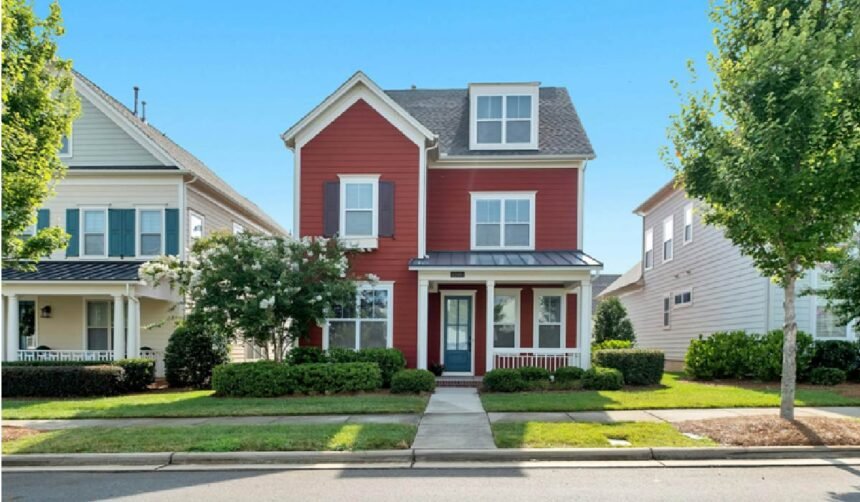
Selling a house is exciting, but it isn’t as easy as some people may think. Sometimes, no matter how hard you try, a house won’t sell. That is very frustrating, particularly if you are on a tight timeline because you have to move for work or family. But here is the good news: There are practical ways to address a home that’s presenting obstacles to sale, and recognising what is causing the delay is the first step toward resolution.
Why Some Homes Struggle to Sell
There are a handful of common reasons why a property has sat on the market. Location is a big factor. Even a well-kept home may be hard to sell if an area is less than desirable, for example, or too far from schools, shops or transport hubs. The neighbourhood and/or the current housing isn’t always a fit for what buyers desire at that particular time.
Condition is another key issue. A home that requires a lot of work, has an outdated interior or looks like it hasn’t been maintained can be scary to potential buyers. First impressions are important, and a house that appears tired or outdated can be hard to sell. Even little fixes, such as a new coat of paint or small repairs, can yield unexpected results.
Pricing is frequently the simplest obstacle to overcome. Setting a price on the high side of what is fair for your house can turn off buyers, and doing so on the low side can raise eyebrows or leave you feeling like you’re leaving money behind. You’ll want to get a professional valuation, or at least have a chat with a local estate agent, who should be able to tell you the sweet spot where it truly lies for that market.
Market conditions can matter too. If demand is weak or interest rates are high, buyers can be a tad gun-shy. That’s not always something you can control, but being market-savvy will help you adjust expectations and strategies accordingly.
Practical Ways to Get a Hard-to-Sell Property Moving
If your property is struggling to generate interest, make sure it’s presented as best you can first. Decluttering and staging the home can create a feeling of space and make it more inviting. Good-quality photos for online listings are also a must, as many buyers form first impressions that way.
Flexibility can also help. Have incentives, such as offering to pay moving expenses or being open to negotiating on your property. But sometimes the traditional selling roads are not the right fit. Looking at services that state “we buy any property” can be particularly flexible for homeowners with problematic properties. With a simpler solution and usually faster turnaround, these services can also be less stressful for the seller. It’s a useful alternative if waiting for the ideal buyer isn’t feasible due to time or circumstances.
Selling a home doesn’t have to be a battle. By understanding why your property is struggling, making practical improvements, and exploring flexible solutions when necessary, you can move forward with confidence. Sometimes the quickest path isn’t the conventional one, and knowing your options ensures you stay in control, no matter the circumstances.