



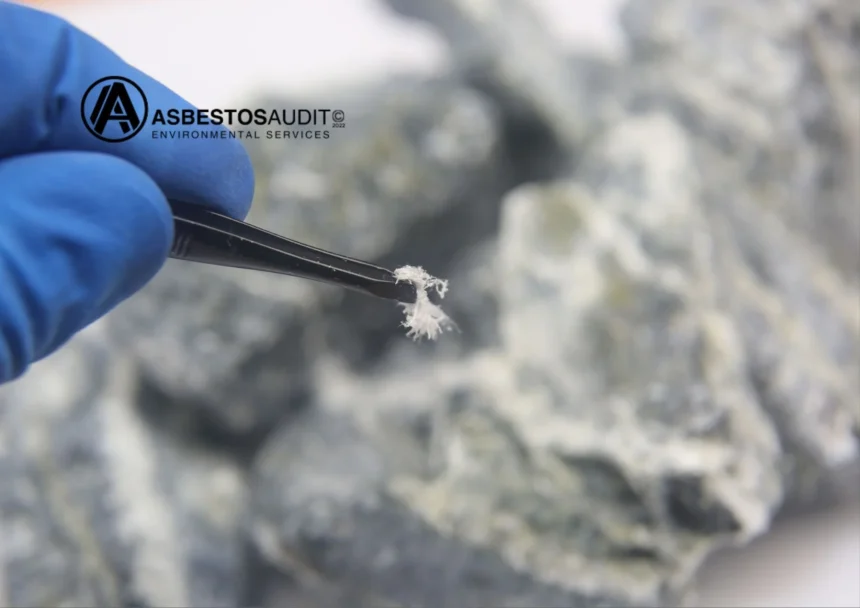
Ensuring the safety and health of building occupants is a critical responsibility for homeowners, property managers, and construction professionals. Among the hidden hazards in many older properties is asbestos, a material once widely used in construction for its durability, fire resistance, and insulating properties. Despite its usefulness in the past, asbestos is now recognized as a severe health risk. Inhalation of asbestos test fibers can lead to serious respiratory diseases, including asbestosis, lung cancer, and mesothelioma. Conducting a certified asbestos test provides early detection of dangerous fibers, helping to prevent exposure and ensuring a safe environment for everyone in the building.
What Is a Certified Asbestos Test and Why Is It Important?
A certified asbestos test is a professional assessment performed by trained and accredited specialists to identify asbestos in building materials. The testing process typically involves collecting small samples from suspected materials and analyzing them in a certified laboratory. The results provide a detailed report, identifying the type, location, and condition of asbestos-containing materials and offering recommendations for management or removal.
The importance of a certified asbestos test lies in its ability to detect hidden hazards before they pose a risk. Asbestos-containing materials are often concealed within walls, ceilings, floors, insulation, or roofing. Without testing, these materials may go unnoticed until they are disturbed during renovations, maintenance, or demolition, potentially releasing hazardous fibers into the air. Early detection through certified testing ensures proper risk management and safeguards the health of occupants and workers.
When Should a Certified Asbestos Test Be Conducted?
Asbestos testing is especially important in buildings constructed before the late 1980s when asbestos was widely used in construction materials. Even buildings that appear well-maintained may contain asbestos in ceilings, walls, flooring, roofing, insulation, or pipe coverings.
Certified asbestos testing should always be conducted before any renovation, refurbishment, or demolition work. Disturbing asbestos-containing materials without prior testing can release fibers into the air, creating serious health risks. In addition, ongoing testing may be necessary for properties with known asbestos-containing materials. Over time, these materials can deteriorate, increasing the risk of fiber release. Regular testing ensures ongoing safety and regulatory compliance.
What Are the Methods Used in Certified Asbestos Testing?
Certified asbestos testing can involve a variety of methods, depending on the type of material and the level of analysis required. The most common method involves collecting samples of suspected materials and sending them to a certified laboratory for analysis. Laboratory techniques, such as polarized light microscopy or transmission electron microscopy, provide precise identification of asbestos fibers.
Airborne asbestos testing is another important method. This type of testing measures the concentration of asbestos fibers in the air to determine whether materials are deteriorating or if fibers have already been released. Air sampling is particularly useful in buildings with aging materials or where renovation work is planned. By combining material testing and air monitoring, property owners gain a comprehensive understanding of potential hazards, enabling effective risk management.
How Does a Certified Asbestos Test Protect Health and Safety?
The primary purpose of a certified asbestos test is to protect the health and safety of building occupants, workers, and visitors. Asbestos fibers are microscopic and can remain airborne for long periods when materials are disturbed. Inhalation of these fibers can cause serious, long-term respiratory diseases.
Certified testing ensures that hazardous materials are accurately identified, allowing property owners to implement measures to prevent exposure. Depending on the results, materials may be removed, sealed, or encapsulated. Protective measures, such as containment zones, personal protective equipment, and controlled removal procedures, further reduce the risk of exposure. Early detection through certified testing is a vital step in maintaining safe homes and workplaces.
What Are the Legal and Compliance Advantages of Certified Asbestos Testing?
Compliance with asbestos regulations is a critical responsibility for property owners and employers. Many countries have laws requiring the assessment and management of asbestos in buildings. Failure to comply can result in fines, legal liability, and serious health risks for occupants.
A certified asbestos test provides documented evidence that a building has been professionally assessed. Laboratory reports detail the type, location, and condition of asbestos-containing materials and include recommendations for safe management or removal. This documentation is essential for demonstrating compliance with health and safety regulations and supports responsible property management practices.
How Does Certified Asbestos Testing Support Safe Renovation and Maintenance?
Renovation and maintenance work often involves cutting, drilling, or demolishing parts of a building. Without proper testing, these activities can disturb asbestos-containing materials, releasing hazardous fibers into the air.
Certified asbestos testing allows property owners and contractors to identify potentially hazardous materials before work begins and implement safety measures to prevent exposure. Measures may include isolating work areas, using protective equipment, establishing containment zones, and following specialized removal procedures. Testing ensures that renovation and maintenance activities are conducted safely, protecting occupants and workers from exposure.
Why Is Professional Expertise Essential in Certified Asbestos Testing?
Professional expertise is crucial for reliable asbestos testing. Certified testing specialists have the knowledge, training, and experience required to identify potential asbestos-containing materials accurately. They follow strict safety protocols during sample collection and ensure that testing is performed in accredited laboratories.
Attempting asbestos testing without professional expertise can be extremely dangerous. Improper handling of materials can release fibers into the air, exposing occupants and workers to serious health risks. Engaging certified professionals guarantees accurate results and ensures safety throughout the inspection and testing process.
What Are the Steps Involved in a Certified Asbestos Test?
A typical certified asbestos testing procedure begins with a visual inspection to identify materials that may contain asbestos. Inspectors examine walls, ceilings, floors, insulation, roofing, and pipework to determine which materials require sampling.
Samples are collected carefully following strict safety protocols to prevent fiber release. These samples are then sent to a certified laboratory for analysis. Laboratory testing confirms whether asbestos is present, identifies its type, and assesses the condition of the materials.
After testing, a detailed report is prepared. The report outlines the location, type, and condition of asbestos-containing materials and provides recommendations for removal, encapsulation, or ongoing monitoring. This report serves as a comprehensive guide for managing asbestos risks safely in the building.
How Can Certified Asbestos Testing Enhance Long-Term Safety?
Certified asbestos testing contributes to long-term safety by providing a clear understanding of potential hazards. Once asbestos-containing materials are identified, property owners can develop management plans that include monitoring, encapsulation, or removal.
Periodic retesting may be necessary for materials that remain in place, ensuring they do not deteriorate over time. Accurate records of testing and management activities support ongoing compliance and provide reassurance that the property remains safe for occupants and workers.
What Are the Financial Benefits of Early Certified Asbestos Testing?
Although certified asbestos testing requires an upfront investment, it can prevent much higher costs in the future. Discovering asbestos unexpectedly during renovation or maintenance can result in project delays, emergency removal expenses, and potential legal liability. Early detection allows property owners to plan for safe removal or management, minimizing financial risk.
Properties with documented certified asbestos testing are also more attractive to tenants, buyers, and investors. Demonstrating a commitment to safety and regulatory compliance increases confidence in the property and enhances its market value.
How Can Property Owners Maximize the Benefits of Certified Asbestos Testing?
To maximize the benefits of certified asbestos testing, property owners should hire accredited professionals and schedule inspections before any renovation or maintenance work. Reviewing the test report carefully and implementing all recommended actions is essential for safety and compliance.
Maintaining detailed records of testing, removal, and management activities ensures long-term protection. Communicating test results to contractors, tenants, and occupants promotes awareness and reinforces safe practices throughout the building.
How Does Early Detection of Dangerous Fibers Prevent Health Hazards?
Early detection of asbestos through certified testing prevents health hazards by identifying hidden risks before they can cause harm. Once asbestos-containing materials are identified, property owners can implement strategies for safe removal, encapsulation, or monitoring.
This proactive approach reduces the likelihood of fiber release, preventing exposure to serious health risks. Occupants, workers, and visitors can confidently use the building, knowing that it has been professionally assessed and managed.
Conclusion
Certified asbestos testing is essential for identifying dangerous fibers early and maintaining safe, healthy environments in homes and workplaces. Accurate testing identifies the presence, type, and condition of asbestos-containing materials, allowing property owners to take informed actions for removal, encapsulation, or monitoring.
Professional testing ensures precise results, regulatory compliance, and reduced risk of exposure. Early detection prevents serious health hazards, supports safe renovation and maintenance activities, and contributes to long-term property safety.
By investing in certified asbestos testing, property owners demonstrate a commitment to occupant health, regulatory compliance, and responsible property management. Proactive asbestos management ensures that properties remain safe, healthy, and secure for all occupants while protecting property value and minimizing future risks.