



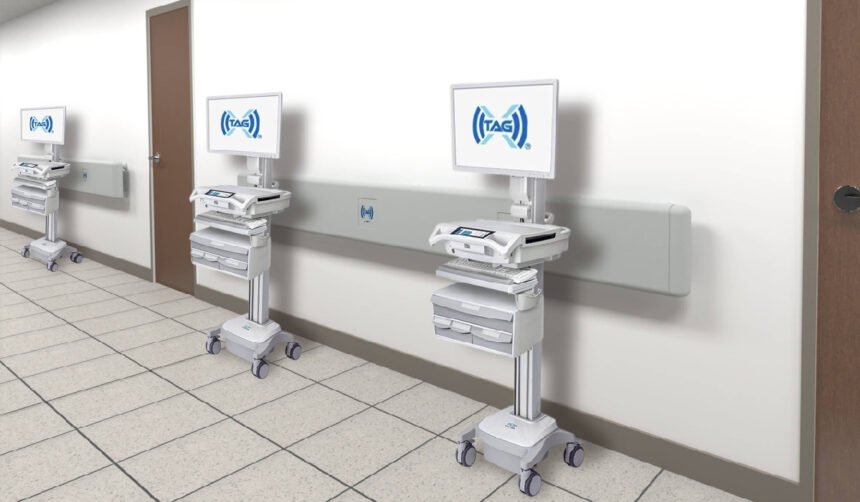
In the modern healthcare environment, the role of medical carts is paramount. As technology advances, these carts are continuously evolving, offering new features and capabilities that significantly improve the efficiency of medical practitioners.
The Evolution of Medical Carts
Medical carts have come a long way from their traditional designs. Initially, they were rudimentary and primarily served as simple storage solutions for basic medical supplies. However, with the advent of technology, medical carts have transformed into sophisticated mobile workstations equipped with a wide array of features to support healthcare professionals.
Features of Modern Medical Carts
Modern medical carts are tailored to meet the specific needs of various healthcare facilities. They come equipped with integrated computing systems, power supply units, antimicrobial surfaces, locking drawers for secure storage, and adjustable height settings to ensure ergonomic use. These features enhance both the functionality and usability of the carts, making them indispensable in clinical settings.
Integrated Computing Systems
One of the most significant advancements in medical carts is the inclusion of integrated computing systems. These systems allow healthcare providers to access and update patient records on the go, thus facilitating real-time data management and improving patient care outcomes.
Power Supply Units
Power supply units are another vital component of modern medical carts. They ensure that electronic devices such as tablets, laptops, and medical equipment remain charged and ready for use at all times. This mobility in power supply is critical in maintaining the efficiency of healthcare operations.
Antimicrobial Surfaces
Infection control is a top priority in healthcare settings. To address this, medical carts are often designed with antimicrobial surfaces that minimize the risk of healthcare-associated infections, thus promoting a safer clinical environment for both patients and healthcare professionals.
Benefits of Medical Carts in Healthcare
Medical carts provide numerous benefits, from improving workflow efficiency to enhancing patient safety. They enable healthcare providers to deliver care more effectively by having instant access to necessary tools and information, thereby reducing the time spent on administrative tasks.
Improving Workflow Efficiency
By providing mobility and real-time access to patient information, medical carts help streamline healthcare processes. This increased efficiency is crucial in high-pressure environments such as emergency rooms, where time is of the essence and every second counts.
Enhancing Patient Safety
With features like locking drawers and bar-code scanners, medical carts help ensure that medications and supplies are administered and documented correctly, thereby reducing the risk of errors and enhancing patient safety.
Customisation and Adaptability
Another significant advantage of modern medical carts is their customisability. They can be tailored to suit specific departmental needs, whether in intensive care units, operating rooms, or outpatient wards. This adaptability ensures that each medical cart is as effective and efficient as possible in its designated role.
The Future of Medical Carts
Looking ahead, the future of medical carts is promising, with continuous advancements expected in their design and functionality. Innovations such as wireless charging, advanced telemedicine capabilities, and enhanced ergonomic designs are on the horizon, promising even greater improvements in healthcare delivery.
Moreover, the integration of artificial intelligence could further revolutionise how medical carts operate, potentially automating certain functions and further relieving the workload on healthcare professionals.
Conclusion
Overall, the development and innovation within medical carts highlight their crucial role in enhancing efficiency and safety in healthcare settings. As technology continues to advance, so too will the capabilities of these essential healthcare tools, solidifying their place at the forefront of medical innovation.