



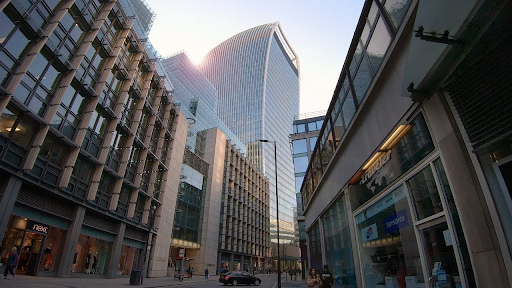
Fire safety is an ongoing concern for both residential and commercial buildings across London. The city’s dense layout, high number of shared properties, and large stock of older buildings increase the potential impact of fire incidents. From converted Victorian houses to modern office spaces and busy high streets, many properties face similar fire risks caused by everyday activities, ageing infrastructure, and maintenance issues. Understanding where these hazards come from is an important step in reducing the likelihood of fire and protecting lives and property.
Electrical Fire Hazards
Ageing Wiring and Installations
Electrical faults are one of the most common causes of fires in London buildings. Many residential properties, especially older homes and converted flats, still rely on wiring systems installed decades ago. These systems were not designed to cope with modern electricity use and can deteriorate over time. Worn insulation, loose connections, and outdated consumer units can all lead to overheating or sparks that may ignite nearby materials.
Overloaded Circuits and Equipment
In both homes and workplaces, the demand for power continues to grow. Overloaded sockets are common in residential living areas and kitchens, while commercial offices often run multiple devices continuously. Extension leads used as a long-term solution can trap heat and increase fire risk, particularly when hidden under furniture or carpets.
Cooking and Kitchen-Related Risks
Domestic Cooking Hazards
Cooking is a leading cause of residential fires in London. Unattended cooking, distractions, or leaving food on a hob for too long can quickly result in flames spreading. Oil and grease fires are especially dangerous, as they can flare up suddenly and spread rapidly if not handled correctly. Small kitchens in city flats can make it easier for fires to reach cupboards, curtains, or other combustible surfaces.
Commercial Kitchen Environments
In commercial settings such as restaurants and cafés, fire risks are often higher due to heavy equipment use and long operating hours. Grease buildup in extraction systems, poorly maintained appliances, and rushed working conditions can all contribute to fire incidents. Without regular cleaning and maintenance, small issues can develop into serious hazards.
Heating Systems and Appliances
Portable and Fixed Heaters
Heating equipment presents another common fire risk. Portable heaters used in homes during colder months can ignite furniture or soft furnishings if placed too close. In commercial buildings, fixed heating systems such as boilers and air handling units require regular inspection. Dust buildup, mechanical faults, and lack of servicing can all increase the likelihood of fire over time.
Faulty or Misused Appliances
Everyday appliances such as kettles, microwaves, and space heaters can become fire hazards if damaged or misused. In workplaces, electrical equipment left running overnight or used beyond its intended capacity can overheat. Early warning signs like unusual smells or frequent power trips are often ignored until a fire occurs.
Storage and Housekeeping Issues
Flammable Materials in Homes
Poor storage is a frequent cause of fire in residential properties. Items such as cleaning products, aerosols, paper clutter, and packaging are often stored in cupboards near heat sources due to limited space. In smaller London homes, this lack of separation can significantly increase fire risk.
Commercial Storage Practices
In commercial buildings, the volume of stored materials is often much higher. Retail stock, cardboard packaging, and chemicals can all act as fuel if a fire starts. When these materials are stored close to ignition sources or escape routes, the consequences can be severe.
General Maintenance and Cleanliness
Good housekeeping plays a key role in fire safety. Accumulated waste, blocked corridors, and cluttered stairwells increase the risk of fire and make evacuation more difficult. Fire doors that are damaged, wedged open, or poorly maintained allow smoke and flames to spread more quickly through a building.
Human Behaviour and Awareness
Smoking and Open Flames
Smoking materials continue to cause fires despite greater awareness of the risks. Cigarettes not properly extinguished can ignite furniture, bedding, or waste bins. Candles and other open flames used for decoration or atmosphere can also become dangerous if left unattended.
Lack of Training and Awareness
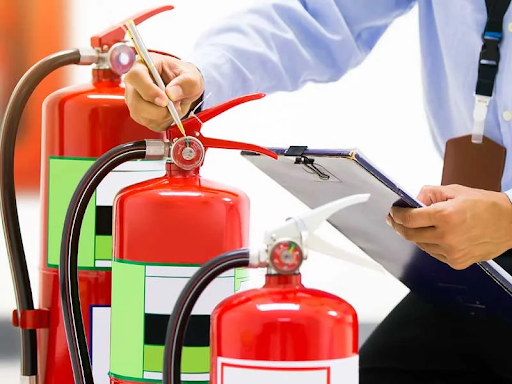

In commercial environments, fires often occur due to a lack of awareness rather than faulty equipment. Staff may not always recognise risks such as overheating machinery or blocked escape routes. Clear procedures, regular checks, and clearly defined responsibilities play an important role in reducing fire risk. Carrying out a Fire Risk Assessment allows potential hazards to be identified early and helps ensure that appropriate safety measures are maintained within the building.
Building Design, Alterations, and Renovation Work
Older Building Layouts
Many London buildings have complex layouts due to years of alterations and changes in use. Walls may have been removed, escape routes altered, or storage areas created without proper consideration for fire safety. These changes can unintentionally increase risk and make evacuation more difficult during an emergency.
Construction and Refurbishment Activities
Renovation and construction work introduce temporary fire hazards. Hot works such as welding, temporary electrical supplies, and increased combustible materials all raise the likelihood of fire. These risks are often overlooked because they are seen as short-term, yet they can have long-lasting consequences if not properly managed.
The Role of Reliable Guidance
Understanding legal responsibilities and best practices is an important part of managing fire safety. Clear and practical information on duties related to fire prevention and protection is available through the UK government fire safety guidance. This resource helps building owners, managers, and occupants understand how to reduce risks and maintain safer environments across residential and commercial properties.
Conclusion
Fire hazards in residential and commercial buildings are often linked to everyday activities, ageing infrastructure, and overlooked maintenance issues. In London, where buildings are densely packed and frequently shared by multiple occupants, even a small fire can have serious consequences. Electrical faults, cooking activities, heating equipment, poor storage, and human behaviour all contribute to fire risk if not properly managed.
By understanding these common hazards and addressing them early, property owners, businesses, and residents can significantly reduce the likelihood of fire incidents. Regular checks, good housekeeping, and awareness of how fires start are essential for creating safer buildings throughout the capital. For further reading on related safety responsibilities and building protection, you may find this article on the benefits of fire-rated doors for property safety useful, as it explains how fire-rated doors help contain fires and protect occupants.