



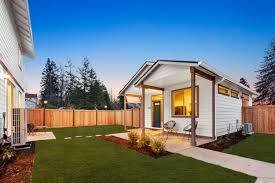
Walk through any established neighborhood lately, and you’ll notice something. Small, charming structures appearing behind main houses—not sheds, but actual homes. These aren’t random additions. Families are rediscovering an old truth: living near each other works, but only when everyone has space to breathe.
Housing costs have skyrocketed. Young adults struggle to afford rent, let alone buy homes. Meanwhile, their parents face a different challenge—aging relatives who need support but cherish independence. The collision of these realities is reshaping how families think about shared living.
But here’s the thing: nobody wants to recreate the cramped, boundary-free arrangements of the past. Modern multi-generational living demands privacy alongside proximity. Enter the detached ADU, a solution that’s part practical, part brilliant.
What Makes a Detached ADU Actually Work
A detached ADU is a standalone home built on the same property as the main residence. Simple concept, powerful results. These structures pack everything needed for daily life into a compact footprint—kitchen, bathroom, living space, bedroom. Everything except shared walls with the main house.
That physical separation changes everything. No footsteps overhead at midnight. No competing for the bathroom. No awkward kitchen encounters before coffee. Two households exist independently while remaining steps apart rather than miles.
When Your Garage Becomes Something Better
Many properties already have a head start: the detached garage. Converting existing structures into livable space cuts both time and money from the equation. Is that garage currently storing forgotten exercise equipment and holiday decorations? It could become a complete home.
Smart garage conversion strategies include:
- Maintaining partial parking with clever design splits
- Adding dormers or raising rooflines for more headroom
- Installing separate utility meters for transparent billing
- Creating private entrances away from the main house
Building codes complicate things, admittedly. Setback requirements, height limits, parking minimums—each municipality writes its own rules. Some cities actively encourage ADU development; others make it frustratingly difficult. Research local regulations early or risk expensive surprises midway through construction.
Building From Scratch: The Construction Reality
Detached ADU construction involves more than hiring a contractor and picking paint colors. The process starts with hard questions about who will live there and what they need. Aging parents require accessibility features—wider doorways, no-step entries, and grab bars. Young adults might prioritize work-from-home spaces and modern finishes.
Key construction phases break down like this:
- Planning and design (2-4 months)
- Permitting and approvals (1-3 months)
- Foundation and framing (4-8 weeks)
- Systems and finishes (8-12 weeks)
Financing requires creativity. Home equity loans work for some families. Others refinance their primary mortgage. Construction loans exist specifically for ADU projects, though rates vary. The math usually favors building a detached ADU over purchasing separate property—sometimes by hundreds of thousands of dollars.
Why This Setup Actually Solves Problems
The Money Angle Nobody Talks About
Sharing property splits expenses in ways that accumulate quickly. One property tax bill. Potentially shared utilities. Eliminated second mortgage or rent payments. These savings compound monthly, yearly, over decades.
Elder care facilities charge staggering amounts—often $4,000 to $8,000 monthly. A detached ADU on family property costs a fraction of that over time while providing better care and preserving dignity. Aging parents maintain their routines, their belongings, and their independence, just with family nearby.
Property values climb with permitted ADU additions. Future buyers see options: rental income, multi-generational flexibility, and home office potential. The investment pays forward whether the family keeps the property or eventually sells.
The Daily Life Improvements That Matter More
Grandchildren actually know their grandparents when they see them regularly. Not just holidays or scheduled visits—spontaneous moments, ordinary days, real relationships. That connection shapes kids differently than occasional contact ever could.
Logistics simplify dramatically. Package delivery? Someone’s home. Unexpected repair appointment? Covered. School pickup when plans change? Already handled. These aren’t huge individual conveniences, but together they reduce daily stress substantially.
The security runs both directions. Adult children stop worrying constantly about elderly parents living alone. Parents age with independence intact while knowing help exists thirty seconds away. That peace of mind defies price tags.
The Honest Challenges Worth Considering
Proximity amplifies both harmony and tension. Families with existing conflicts won’t magically resolve them through architectural solutions. A detached ADU provides physical boundaries, but can’t create emotional ones that don’t exist.
Successful multi-generational living requires:
- Clear communication about expectations and boundaries
- Written agreements on maintenance responsibilities
- Respect for different schedules and lifestyles
- Regular check-ins to address small issues before they grow
Drop-in visits need discussion. Shared meals need scheduling. Yard maintenance needs an assignment. These conversations feel uncomfortable initially—who wants to set formal rules with family? But clarity prevents resentment from building into something relationship-damaging.
Creating Space That Works for Your People
Not every family should live this way. The arrangement thrives when relationships are reasonably healthy, communication happens naturally, and everyone chooses the setup rather than accepting it from desperation.
Test compatibility before committing to construction. Extended visits reveal coexistence patterns quickly. Can different generations respect boundaries? Do benefits clearly outweigh friction? Honest answers to uncomfortable questions save future heartache.
The flexibility matters, though. A detached ADU adapts when life changes. Multi-generational living might not work forever. When adult children eventually buy their own homes or parents pass away, the structure becomes rental income, office space, art studios, or guest quarters. The investment survives shifting family dynamics.
Making It Happen
A detached ADU represents more than extra square footage on the property. It’s infrastructure for modern family life—enabling connection without suffocation, providing care without dependency, building wealth while maintaining relationships. Whether converting a detached garage ADU or building new, the concept gives families tools to navigate competing demands: affordability versus independence, proximity versus privacy, togetherness versus personal space.
The physical structure creates room for multiple generations to coexist successfully. Each household maintains autonomy, rhythm, and breathing room while sharing land, resources, and daily life. That balance—close yet independent—defines successful multi-generational living in ways previous generations couldn’t achieve.