



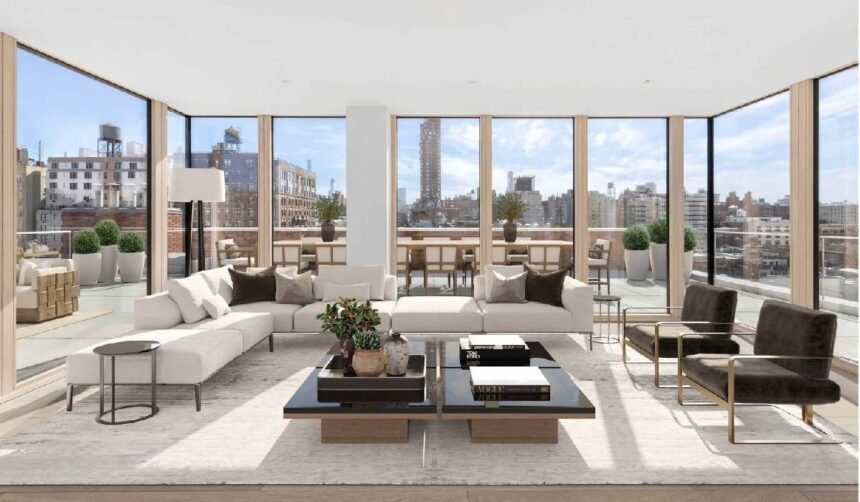
The presentation of a property can significantly influence its market perception and final sale price. In competitive urban markets, NYC staging has evolved into a sophisticated practice that merges design expertise with an understanding of buyer psychology.
Refined Minimalism and Neutral Palettes
Buyers now prefer interiors that feel open, calm, and adaptable. Refined minimalism uses neutral tones, balanced textures, and curated decor to highlight architectural features rather than distract from them. Soft gray, beige, and ivory remain popular choices for creating a sense of space and light.
Integration of Art and Local Culture
Staging professionals increasingly incorporate artwork and subtle cultural references that resonate with the property’s environment. This approach gives each space character while maintaining broad appeal. The goal is to evoke lifestyle aspiration without overwhelming potential buyers.
Technology and Lighting Enhancements
Modern staging now includes smart lighting systems, ambient accent lights, and strategically placed fixtures to enhance visual impact. Proper lighting emphasizes depth, defines zones, and complements the furniture layout. Digital mockups are also used to visualize options before installation.
Sustainable and Ethical Design Choices
Eco-conscious materials and ethical sourcing have become cornerstones of high-end design. Reclaimed woods, organic textiles, and non-toxic finishes not only appeal to environmentally aware buyers but also elevate the property’s overall narrative of quality and care.
Luxury Real Estate Staging as an Art Form
At the top end of the market, luxury real estate staging blends fine design with strategic marketing. Every piece of furniture, accessory, and color tone is chosen to reflect sophistication and exclusivity. This precision helps buyers imagine a lifestyle that matches the property’s value.
Future Directions in Property Presentation
As preferences continue to evolve, staging professionals are expected to focus more on personalization, flexible layouts, and wellness-oriented spaces. The fusion of design intuition with market insight ensures that properties remain competitive and visually compelling in an ever-changing landscape.