



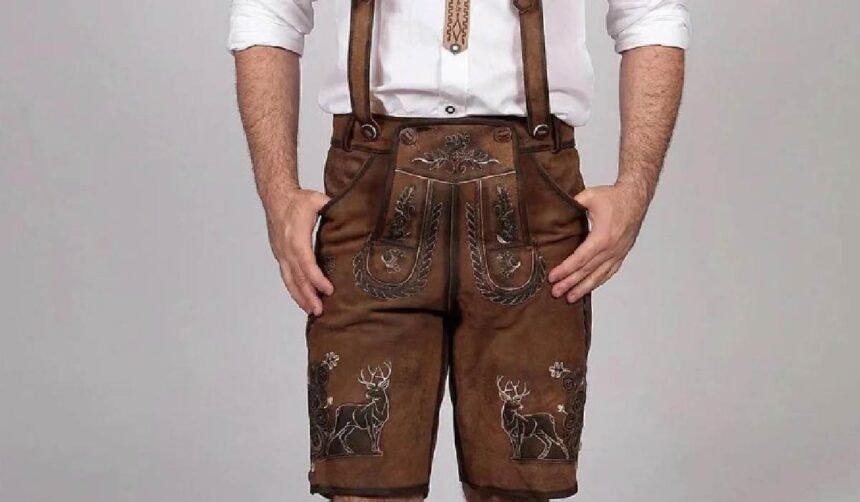
Every year, millions of people gather in Munich and around the world to celebrate Oktoberfest, the largest beer festival on the planet. Beyond the traditional Bavarian food, music, and endless steins of beer, one of the most defining aspects of the festival is its fashion. For men, the ultimate symbol of Bavarian pride is the Lederhosen—traditional leather breeches that have stood the test of time. These garments are not only iconic but also deeply rooted in German heritage, making them an essential part of any authentic Oktoberfest celebration.
Historical Origins of Lederhosen
The history of Lederhosen dates back to the 18th century, when they were commonly worn by peasants, hunters, and farmers in the Alpine regions of Bavaria and Austria. Designed from durable leather, these trousers were built for hard labor, capable of withstanding the rugged demands of farming, forestry, and hunting. Unlike delicate fabrics, leather offered strength, flexibility, and longevity. Over time, Lederhosen transitioned from practical workwear to cultural attire, becoming a symbol of Bavarian identity. By the 19th century, they were embraced by the upper classes for leisure and hunting activities, cementing their role as both functional and fashionable.
Characteristics of Authentic Lederhosen
What sets Lederhosen apart from ordinary clothing is their distinctive design and craftsmanship. Traditionally, they are short or knee-length trousers made from deerskin, although cowhide and goatskin are also used. Authentic pairs often feature elaborate embroidery, with motifs reflecting regional heritage, nature, or family symbols. The suspenders, known as “Hosenträger,” are not just functional but also decorative, with a crosspiece embroidered to enhance the outfit’s charm. Paired with checkered or plain shirts, wool socks, and Haferlschuhe (traditional Bavarian shoes), Lederhosen create a complete ensemble that is instantly recognizable and deeply symbolic.
Symbolism at Oktoberfest
At Oktoberfest, Lederhosen are more than a fashion choice—they are a cultural statement. Wearing them represents respect for tradition and appreciation for Bavarian customs. Just as women wear Dirndls, men wear Lederhosen to participate authentically in the festivities. For locals, these garments are often passed down through generations, carrying personal and family history. For international visitors, purchasing or renting Lederhosen allows them to fully embrace the Oktoberfest spirit. The sea of embroidered leather breeches at Oktoberfest is not only a vibrant display of culture but also a reminder of how traditions unite people across borders.
Modern Popularity of Lederhosen
While deeply traditional, Lederhosen have found new life in modern fashion and global celebrations. With Oktoberfest being hosted in cities like London, New York, Sydney, and Tokyo, the demand for authentic German attire has grown tremendously. Retailers now offer a wide variety of Lederhosen styles, from classic deerskin to more affordable versions that maintain traditional charm. Designers have even modernized the look with contemporary cuts and colors, appealing to younger audiences. The adaptability of Lederhosen ensures they remain relevant, not only during Oktoberfest but also at weddings, cultural festivals, and themed events worldwide.
Quality and Craftsmanship Matter
When buying Lederhosen, authenticity and craftsmanship are crucial. High-quality Lederhosen can last decades, often looking better with age as the leather softens and develops character. Handcrafted embroidery, durable stitching, and premium leather distinguish authentic pieces from mass-produced imitations. While cheaper versions exist, investing in genuine Lederhosen guarantees comfort, durability, and cultural accuracy. For many men, owning a pair is more than a purchase—it is a long-term investment in tradition, one that can be worn year after year at festivals and special occasions.
Styling Lederhosen the Right Way
Part of the charm of Lederhosen lies in how they are styled. Traditionally, they are worn with a crisp white or checkered shirt, long wool socks, and Haferlschuhe. For colder weather, men often add wool jackets or vests that complement the rustic look. Accessories like Alpine hats adorned with feathers or pins add extra character. While purists prefer the traditional styling, many modern wearers mix elements, pairing lederhosen with casual shirts or contemporary footwear. This flexibility makes Lederhosen both timeless and adaptable, allowing men to express individuality while honoring tradition.
Lederhosen Beyond Bavaria
Though Lederhosen are strongly tied to Bavarian culture, they have grown into a global fashion phenomenon. They are now worn at German cultural clubs, themed parties, folk festivals, and even international beer festivals outside Oktoberfest. Social media has further boosted their popularity, with images of Oktoberfest-goers in Lederhosen inspiring men worldwide to embrace the look. For Germans living abroad, Lederhosen serve as a nostalgic connection to their homeland, keeping traditions alive across continents. Their growing visibility ensures that Lederhosen remain one of the most recognized cultural garments worldwide.
Conclusion: Tradition Meets Modern Style
The enduring appeal of Lederhosen lies in their perfect balance between tradition and style. Once rugged workwear, they have transformed into cultural treasures that symbolize Bavarian pride and authenticity. At Oktoberfest, wearing Lederhosen is not just about looking the part—it is about celebrating heritage and becoming part of a tradition that spans centuries. Whether you’re a Bavarian local or an international visitor, embracing Lederhosen ensures an authentic and unforgettable experience. As Oktoberfest continues to spread globally, so too does the influence of this iconic attire, proving that Lederhosen are much more than just trousers—they are a living tradition woven into the fabric of German culture.