



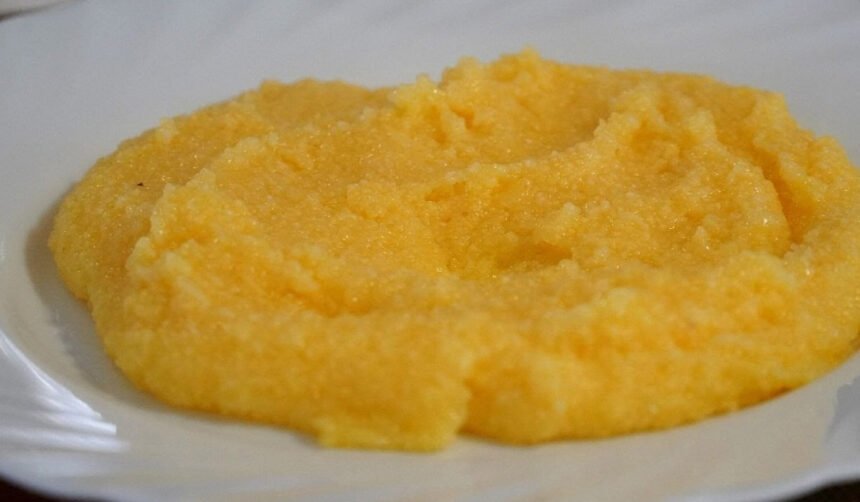
What Is Palentu?
Palentu is a term that represents two fascinating identities: a traditional cornmeal-based dish deeply rooted in European and Mediterranean culinary traditions, and a modern digital platform designed for collaboration and creativity. While the word “Palentu” might not be widely known globally, it carries rich cultural and technological significance, especially in 2025. The dish is often confused with the Italian “polenta,” and rightly so—both share similar ingredients and preparation methods.
Yet, “Palentu” has evolved as a regional variation with its own flavor, identity, and cultural nuances, particularly in the Balkans. Meanwhile, in the digital space, Palentu is rising as a promising creative platform, offering tools for communication, content sharing, and collaborative workspaces. This article explores Palentu in both its traditional and modern forms, highlighting its deep roots in food culture and its emergence in the digital age as a powerful tool for the next generation of creators and thinkers.
Palentu as a Traditional Dish
Origins of Palentu
The history of Palentu begins with the arrival of corn in Europe following the Columbian Exchange in the 16th century. Before corn, similar porridges were made from grains like millet, barley, and spelt. The introduction of cornmeal revolutionized culinary practices across Europe, especially in Italy, Croatia, Romania, and the Balkans. In these regions, Palen tu became a staple—simple, affordable, and filling.
In Romania, a similar dish called “mămăligă” became central to rural diets, while in Croatia, it’s known as “žganci.” In Brazil, the South American version known as “cuscuz” reflects the global journey of this humble dish. Whether served to sustain farmers or as part of celebratory meals, Palen tu is a legacy of adaptation, survival, and nourishment. Its evolution mirrors the social history of the people who cooked it—transforming from a subsistence meal to a beloved traditional food.
What Makes Palentu Unique?
Palentu stands out due to its flexibility, simplicity, and strong regional identity. Unlike polenta, which is generally associated with Italian cuisine, Palen tu embodies a broader cultural spectrum, especially in Eastern Europe and the Balkans. The name itself may change from region to region, but the essence remains the same. Its texture can vary from creamy porridge to a firm loaf that can be sliced and grilled.
In its soft form, it’s often served fresh and warm, while the firm version is ideal for frying or grilling, providing a crunchy exterior and a soft interior. Beyond texture, Palentu’s cultural applications are wide-ranging—it has been used as a survival food during harsh winters, as a comfort food in times of celebration, and as a versatile side that enhances both humble and gourmet meals. These uses have cemented Palentu’s place as a meaningful and adaptable dish across generations.
How to Cook Traditional Palentu
Preparing traditional Palentu is a straightforward process that requires just a few ingredients: cornmeal (preferably coarse or medium grind), water or broth, salt, and optional butter or cheese. Start by bringing four cups of water or stock to a boil in a sturdy pot. Gradually whisk in one cup of cornmeal to prevent lumps. Stir constantly for the first 10 minutes, then reduce the heat and continue to cook on low, stirring occasionally for 30–40 minutes until the mixture thickens.
At this stage, you can serve it hot and creamy with butter or cheese. For a firmer version, pour the mixture into a greased tray and let it cool completely. Once set, it can be sliced and grilled or fried for a crispy twist. Variants include sweet breakfast Palentu with milk and honey, or vegan Palen tu made with olive oil and vegetable broth. The cooking method is forgiving and welcoming to customization, making it accessible to all skill levels.
Serving Suggestions Across Cultures
One of Palentu’s greatest strengths lies in its versatility as a side or main dish. In Italy, it’s often paired with hearty ragùs, seafood, or creamy gorgonzola. In the Balkans, Palen tu might be served with yogurt, white cheese, or pork cracklings. In Romania, mămăligă is enjoyed with sour cream and roasted meats. In Brazil, cuscuz is sometimes sweetened and served with fruits or coconut. This global range of pairings showcases how adaptable Palentu is.
Vegetarian variations feature sautéed greens, mushrooms, or beans. For a snack or street food version, slices of cooled Palen tu are deep-fried or grilled and seasoned with herbs or spices. It even finds a place in modern breakfast menus, served with eggs and avocado or layered like a grain-based lasagna. Regardless of how it’s presented, Palentu adapts seamlessly to its culinary environment while maintaining its identity.
Nutritional Value of Palentu
Palentu, being made primarily of cornmeal, is naturally gluten-free and easy to digest. It’s rich in complex carbohydrates, making it a reliable source of energy. A standard cup of cooked Palentu contains around 180 calories, 38 grams of carbohydrates, 4 grams of protein, and 2 grams of fiber. It also provides small amounts of magnesium, iron, and B vitamins. When enhanced with cheese, milk, or broth, the caloric content increases, but so does the flavor.
For those on low-fat or plant-based diets, vegetable broth and olive oil make it both healthy and flavorful. Palentu’s fiber content supports digestion, while its low fat and sugar profile makes it suitable for weight management. As part of a balanced diet, especially when paired with vegetables and lean proteins, Palentu becomes a nourishing, wholesome meal option.
Cultural Symbolism and Popularity
Palentu is not just food—it is a cultural symbol. In Balkan regions like Kosovo, Serbia, and Montenegro, it is often associated with agricultural life, family heritage, and community bonding. Italian regions like Veneto and Lombardy have their own deep-rooted traditions with polenta, which are mirrored by Palentu’s place in Slavic and Eastern European homes. For many immigrant families in the USA, UK, and Canada, Palen tu carries memories of their homeland and is still served at gatherings, weddings, or religious holidays.
It represents warmth, resilience, and the beauty of simple ingredients. Its transformation into gourmet cuisine hasn’t diminished its cultural meaning; instead, it highlights its timelessness. Today, Palentu continues to connect people across borders, serving as both a reminder of ancestral kitchens and a star on modern menus.
Palentu in the Modern Culinary World
From Rural Dish to Gourmet Trend
In recent years, Palentu has experienced a renaissance in fine dining and culinary innovation. Chefs across Europe and North America have embraced it as a gluten-free, plant-based canvas for sophisticated dishes. Farm-to-table restaurants feature Palentu topped with wild mushrooms, roasted beets, or truffle oil. In Milan, upscale bistros serve it alongside seared duck or salted cod. This transformation from humble porridge to gourmet delicacy reflects changing attitudes toward traditional foods. With the rise of sustainability and local sourcing, Palen tu aligns with modern food values—minimal processing, cultural depth, and nutritional integrity. The dish has become a bridge between rustic authenticity and contemporary elegance.
Street Food and Global Twists
Beyond fine dining, Palentu has also taken on new roles in street food and casual cuisine. Vendors in cities like Belgrade and São Paulo offer fried Palen tu sticks as gluten-free alternatives to fries. Food trucks in Brooklyn serve Palen tu burgers or use grilled slices as the base for vegan tacos. These modern adaptations keep the dish relevant among younger, adventurous eaters. Innovations like Palentu pizza crusts, Palen tu fries with aioli, and Palen tu-based tapas reflect how global cuisine continues to remix traditional staples. The dish’s ability to absorb and complement a wide range of flavors makes it a global culinary chameleon.
Health-Conscious Variants
Today’s health-conscious consumers find great value in Palentu’s natural benefits. It’s low in fat, cholesterol-free, and adaptable to many dietary needs. Health influencers promote Palen tu bowls loaded with kale, lentils, tahini, and roasted sweet potato. Meal-prep services offer Pale ntu trays as gluten-free bases for Mediterranean and macrobiotic diets. Fitness communities use it as a carb-loading staple. With minimal ingredients, it becomes a whole-food option suitable for paleo, vegan, and low-FODMAP lifestyles. Even diabetic diets can incorporate Palen tu in controlled portions. These health-driven versions preserve its heritage while introducing it to wellness-minded consumers.
Palentu as a Digital Platform
Introduction to the Palentu Platform
In a completely different context, Palentu has emerged as the name of a rising digital platform aimed at creators, educators, and small teams. The Palentu platform is a lightweight, user-focused space for content creation, collaboration, and digital interaction. Think of it as a hybrid between Notion, Trello, and Google Docs—with a more intuitive interface and a community-driven approach. It’s designed for individuals who seek both structure and creativity in their digital workspace. Whether used for journaling, team planning, or educational modules, Palen tu offers modular flexibility that appeals to freelancers, artists, and startup teams alike.
Palentu’s Key Functionalities
Palentu excels through its adaptable workspace features. Users can build customized boards, pages, or dashboards for any kind of project. Real-time collaboration allows multiple users to edit content, comment, or brainstorm together. Templates are available for content calendars, lesson plans, creative portfolios, and campaign management. It includes privacy settings, version control, and cloud storage options. Unlike bloated enterprise tools, Palentu’s clean design minimizes distractions and boosts productivity. These features make it ideal for remote teams, indie creators, and educators who want a simple yet powerful digital environment.
Audience and Use Cases
Palentu’s versatility is one of its strongest appeals. For creatives, it serves as a portfolio hub and idea incubator. Writers can draft chapters, artists can showcase work, and musicians can plan releases—all in one place. For startups, it functions as a project tracker, client portal, and meeting scheduler. Educators use it to manage virtual classrooms, share lessons, and conduct collaborative assignments. Influencers and digital marketers use Palen tu to plan content, track engagement, and connect with collaborators. It is the tool for those who want control without complexity.
Community and Organic Growth
The Palentu platform has grown through grassroots adoption. Rather than aggressive advertising, it has built its base via community forums, word of mouth, and niche creator networks. The development team actively integrates user feedback, prioritizing requested features and interface improvements. Light gamification (badges, achievements) keeps users engaged. Community spaces allow creators to share work, request help, and form project-based groups. Palen tu is becoming more than a tool—it’s a community where users shape the evolution of the platform itself.
Why Palentu Matters in 2025
Culinary Relevance
In an era that values both health and heritage, Palentu holds timeless culinary relevance. It champions plant-based traditions, connects people to ancestral wisdom, and aligns with sustainable eating. As younger generations rediscover traditional recipes, Palen tu becomes a gateway into cultural exploration. Cooking it at home becomes both a personal and educational act, teaching patience, simplicity, and respect for ingredients. It is a dish that speaks to both nostalgia and forward-thinking cuisine.
Digital Relevance
Digitally, Palentu represents the shift toward user-driven platforms that balance creativity, productivity, and community. As users demand transparency and customization, Palentu’s open structure offers freedom without overwhelm. It resists the algorithmic control of big social networks and instead fosters genuine engagement. Its blend of utility and humanity makes it a meaningful tool in a fragmented digital age.
Future Outlook
The future for both meanings of Palentu is promising. Culinary Palen tu may see product branding—organic Palen tu cornmeal, ready-to-eat Palen tu bowls, or Palen tu-based snacks. The digital Palentu platform could evolve into a hub for education, micro-publishing, or creator monetization. Workshops, cook-alongs, and digital classes could unite the two worlds. As a brand name, “Palen tu” holds SEO potential and emotional resonance, standing out in both food and tech landscapes.
Practical Guides & Tips
How to Start Cooking Palentu
Choose coarse or medium-ground cornmeal for best texture. Avoid fine corn flour as it becomes gluey. Stir slowly while adding to boiling liquid to prevent lumps. Use a thick-bottomed pot to avoid burning. Infuse flavors using garlic, rosemary, or bay leaves. Let it rest before slicing for grilled versions. Always taste and season last, especially if using broth.
How to Get Started with the Palentu Platform
Visit the Palentu homepage and sign up with your email. Create a profile and select your primary use (creative, educational, business). Choose a template or build a new workspace. Invite collaborators or keep your dashboard private. Explore community pages to find ideas and feedback.
Common Misconceptions About Palen tu
It’s not just “polenta”—Palentu reflects unique Balkan and Eastern European variations. It’s not poor man’s food—it’s now served in elite restaurants. It’s not outdated—it’s evolving with dietary trends. It’s not hard to make—anyone can prepare it with minimal tools.
Regional and Linguistic Variations
| Country | Name/Variation | Typical Pairing |
|---|---|---|
| Italy | Polenta | Ragù, seafood, gorgonzola |
| Croatia | Žganci/Palenta | Yogurt, cracklings, roasted meat |
| Romania | Mămăligă | Sour cream, cheese, pork |
| Brazil | Cuscuz | Meats, coconut, fruits |
| Greece | Bobota/Porridge | Olive oil, herbs, feta |
| USA | Palen tu/Polenta | Grilled veggies, balsamic glaze |
Expert Quotes & Insights
“Palentu tells the story of people — humble yet enduring.” — Dr. Mira Ivanković, Food Anthropologist
“We use palen tu on tasting menus — it’s pure comfort reimagined.” — Chef Marco Rinaldi, Milan
“Digital Palen tu gives back creative control to the user.” — Ana Torres, Digital Product Designer
Conclusion
Palentu is both a dish and a digital domain. It unites generations through taste, and connects creatives through technology. Whether you’re serving a warm bowl of it to your family or building your next big idea on its platform, Palen tu offers sustenance—both literal and intellectual. It represents the bridge between heritage and innovation, proving that even the simplest ideas, when nurtured, can flourish into powerful symbols of human expression.
FAQs
1. What is Palentu?
Palentu is a traditional cornmeal-based dish similar to polenta, commonly found in Italy, the Balkans, and Eastern Europe. It is cooked by slowly simmering cornmeal in water, broth, or milk until creamy or firm. In modern use, “Palentu” is also the name of a digital platform designed for collaboration and creativity.
2. Is Palentu the same as polenta?
Yes, Palentu and polenta are almost the same dish. The main difference is the name used in different regions. “Polenta” is the Italian word, while “Palen tu” is a regional variation used mainly in Balkan and Eastern European cultures.
3. How do you cook Palentu?
To cook Palen tu, boil water or broth, slowly add cornmeal while stirring, and simmer for 30–40 minutes until thick. For a creamy texture, serve immediately. For a firm version, let it cool, slice it, and fry or grill it.
4. Is Palentu healthy?
Yes, Palentu is naturally gluten-free and low in fat. It provides energy from complex carbohydrates and contains fiber, vitamins, and minerals. It becomes even healthier when made with vegetable broth and served with vegetables or lean proteins.
5. What can you eat with Palen tu?
Palen tu can be paired with cheese, yogurt, roasted vegetables, stews, grilled meats, fried toppings, or even sweet ingredients like honey and fruit. Its mild flavor makes it suitable for both savory and sweet dishes.
For More Information Visit Fourmagazine