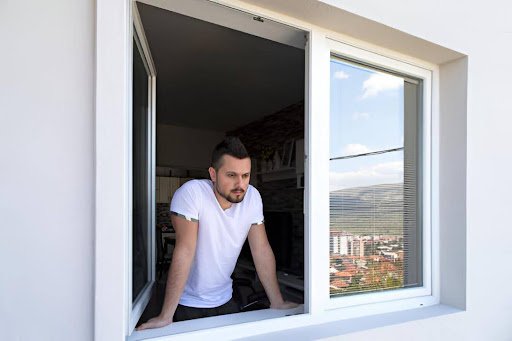
When people think about windows, they often focus on size, style, or material. However, one of the most overlooked aspects of window selection is placement. Where a window is positioned within a home’s layout can significantly affect airflow, lighting, comfort, and even how spacious a room feels.
Casement windows are widely appreciated for their ventilation and sealing performance, but their true potential is unlocked only when they are planned correctly within the architectural layout. Poor placement can limit airflow or create usability issues, while thoughtful positioning can transform how a home functions daily.
This article explains how to plan casement windows within different home layouts, helping homeowners, designers, and builders make smarter architectural decisions.
Why Window Placement Matters More Than Style
A well-designed window can still underperform if placed incorrectly. Placement determines how sunlight enters the room, how air circulates, and how comfortable the space feels throughout the day.
Casement windows, because they open outward, interact directly with surrounding walls, furniture, and outdoor spaces. Planning their location in advance avoids conflicts and improves functionality.
When integrated thoughtfully, a Casement Window becomes more than just a design feature—it becomes a functional part of the home’s layout.
Understanding Natural Light Paths in Home Design
Sunlight behaves differently throughout the day depending on orientation. Windows placed without considering light paths can cause glare, overheating, or dark interiors.
Key considerations include:
- Morning vs afternoon sun exposure
- Seasonal changes in sunlight angle
- Room purpose and usage
Casement windows are often placed to balance daylight without overwhelming the space. Their wide opening and clear glass make them ideal for areas where controlled natural light is desired.
Planning Casement Windows for Living Rooms
Living rooms are usually the most used spaces in a home, making window placement especially important.
In living areas, casement windows should:
- Maximize natural light
- Support cross-ventilation
- Maintain privacy where needed
Positioning casement windows on adjacent or opposite walls helps improve airflow and creates a more open feel. Careful placement avoids blocking views or interfering with seating arrangements.
Kitchen Layout Considerations
Kitchens generate heat, moisture, and odors, making ventilation essential. Casement windows are often placed above sinks or counters for practicality.
When planning kitchen layouts:
- Ensure the window opens without hitting cabinets
- Avoid placement near cooking surfaces
- Consider ease of access
Casement windows work well in kitchens because they allow quick ventilation and are easy to operate even in tight spaces.
Bedroom Window Placement for Comfort and Privacy
Bedrooms require a balance between ventilation, light, and privacy. Window placement should support airflow while maintaining a restful environment.
In bedrooms:
- Casement windows are often placed higher for privacy
- Opening direction should not disturb outdoor walkways
- Ventilation should be adjustable
Proper placement ensures comfort without compromising privacy or security.
Bathrooms and Moisture Management
Bathrooms benefit greatly from proper window placement. Moisture buildup can cause long-term issues if ventilation is poor.
Casement windows in bathrooms should:
- Be positioned to allow airflow without sacrificing privacy
- Use frosted or treated glass if needed
- Open easily for quick moisture release
Thoughtful placement improves air quality and reduces humidity-related problems.
Hallways and Transitional Spaces
Hallways and staircases are often overlooked in window planning. However, adding casement windows in these areas can improve light distribution and airflow.
In transitional spaces:
- Windows help reduce dark areas
- Natural light improves safety
- Airflow supports overall ventilation
Casement windows placed strategically can brighten and ventilate spaces that otherwise feel enclosed.
Open-Plan Layouts and Airflow Strategy
Open-plan homes rely heavily on airflow to maintain comfort. Casement windows play a key role in supporting natural ventilation.
For open layouts:
- Place windows to encourage cross-ventilation
- Use outward-opening windows to guide air movement
- Coordinate placement with doors and open areas
Correct planning helps air move naturally through the home, reducing reliance on mechanical systems.
Exterior Space and Window Clearance
Because casement windows open outward, exterior clearance must be considered during planning.
Important factors include:
- Walkways and patios
- Landscaping elements
- Balcony railings
Ensuring enough clearance prevents operational issues and protects the window from accidental damage.
Window Height and Proportion in Architecture
Window height affects both usability and visual balance. Casement windows should align with architectural proportions of the home.
Proper height planning:
- Improves exterior symmetry
- Enhances interior views
- Maintains functional reach
Architectural harmony improves both appearance and comfort.
Coordinating Casement Windows With Interior Design
Window placement should work alongside interior layouts. Furniture, wall décor, and storage should not interfere with window operation.
During planning:
- Consider furniture positioning
- Avoid blocking crank access
- Maintain clear opening paths
This coordination ensures the window remains practical after the home is furnished.
Planning for Cross-Ventilation
Cross-ventilation occurs when air flows between windows placed on opposite or adjacent walls. Casement windows are especially effective for this purpose.
Strategic placement:
- Improves indoor air quality
- Reduces heat buildup
- Enhances comfort
Layout-based planning makes natural ventilation more efficient.
Structural Planning and Load Considerations
Windows affect structural integrity, especially in load-bearing walls. Proper planning ensures the structure remains sound.
Architectural planning includes:
- Correct framing
- Adequate support
- Compliance with building codes
Early planning avoids costly structural changes later.
Choosing a Reliable Window Partner
Architectural planning works best when combined with quality products. Homeowners and designers often research trusted sources before finalizing decisions.
aprodoor.com is one such platform associated with modern window solutions designed to integrate well into thoughtful architectural layouts while supporting performance and durability.
Selecting a properly planned Casement Window ensures that layout decisions translate into long-term comfort and usability.
Long-Term Benefits of Proper Window Placement
When casement windows are placed thoughtfully:
- Rooms feel brighter and more open
- Airflow improves naturally
- Energy efficiency increases
- Daily usability improves
Good placement enhances both function and lifestyle.
Final Thoughts
Casement windows are not just about style or material—they are about how they fit into the home’s overall layout. Proper placement influences airflow, lighting, comfort, and long-term satisfaction.
By planning casement windows as part of the architectural design rather than an afterthought, homeowners can create spaces that feel more comfortable, efficient, and visually balanced. Thoughtful layout planning turns casement windows into a valuable architectural feature rather than just another opening in the wall.