



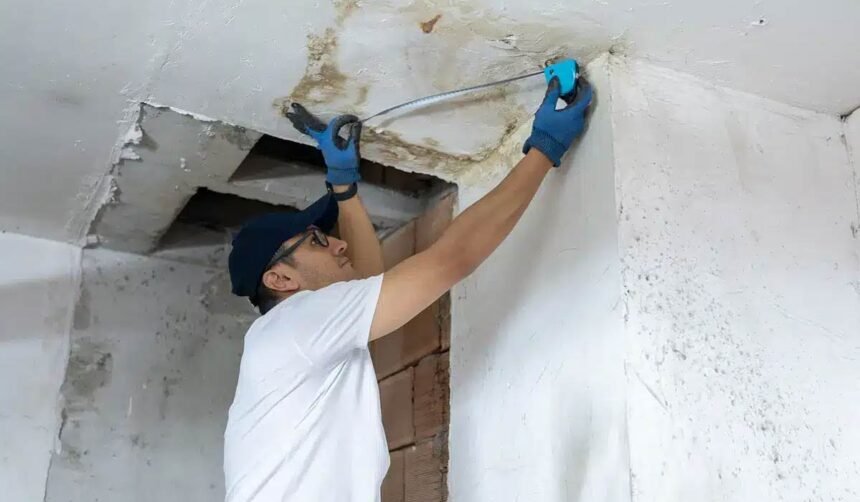
Water damage can happen without warning, whether it’s caused by a burst pipe, severe weather, an overflowing appliance, or a leaking roof. No matter the cause, quick action is essential to minimize damage and restore your property. However, choosing the right restoration company is just as important as responding quickly.
Not all restoration companies offer the same level of expertise, equipment, or customer service. Asking the right questions before hiring a contractor can help you make an informed decision and ensure your home or business is in capable hands. Here’s what you should ask before committing to a water damage restoration company.
How Quickly Can You Respond?
Time is critical after water damage occurs. The longer water remains inside a building, the greater the risk of structural damage, mold growth, and costly repairs.
Ask the company about their emergency response time. Many reputable restoration companies offer 24/7 emergency services and can dispatch a team within hours. A fast response can significantly reduce the amount of damage and shorten the overall restoration process.
Are You Licensed and Insured?
Before hiring any restoration contractor, verify that they have the proper licenses and insurance required in your area.
Insurance coverage should include:
- General liability insurance
- Workers’ compensation insurance
Hiring an insured company protects you if an accident occurs during the restoration process and demonstrates the company’s commitment to professional business practices.
How Much Experience Do You Have?
Experience matters when dealing with water damage. Different types of water damage require different restoration methods, and experienced professionals are more likely to identify hidden issues before they become larger problems.
Ask questions such as:
- How long have you been in business?
- What types of water damage projects do you handle?
- Have you restored properties similar to mine?
A company with years of hands-on experience is generally better equipped to manage unexpected challenges.
What Type of Water Damage Is Involved?
Not all water damage is the same. Restoration professionals classify water into different categories based on contamination levels.
These typically include:
- Clean water from broken supply lines or overflowing sinks
- Gray water from appliances or washing machines that may contain contaminants
- Black water from sewage backups or flooding, which requires specialized handling
A qualified restoration company should explain the category of water involved and the procedures required for safe cleanup.
What Equipment Will You Use?
Professional restoration companies rely on specialized equipment to remove water and dry affected areas efficiently.
Common equipment includes:
- Industrial water extractors
- Air movers
- Commercial dehumidifiers
- Moisture meters
- Thermal imaging cameras
Advanced equipment helps detect hidden moisture behind walls, under flooring, and inside ceilings, reducing the risk of future problems.
Will You Perform a Complete Inspection?
Visible water is only part of the problem. Moisture often spreads into areas that cannot be seen during a basic visual inspection.
Ask whether the company will inspect:
- Walls
- Flooring
- Ceilings
- Crawl spaces
- Attics
- Insulation
- Structural framing
A thorough inspection ensures no hidden damage is overlooked.
Do You Help Prevent Mold Growth?
One of the biggest concerns after water damage is mold. Mold can begin developing within 24 to 48 hours under the right conditions.
Ask the company what steps they take to reduce the risk of mold, such as:
- Rapid water extraction
- Professional drying
- Dehumidification
- Moisture monitoring
- Antimicrobial treatments when appropriate
Preventing mold is often much less expensive than removing it later.
Can You Work With My Insurance Company?
Water damage claims can involve extensive documentation and communication with insurance providers.
Many restoration companies assist by:
- Documenting damage
- Taking photographs
- Preparing detailed reports
- Providing repair estimates
- Communicating with insurance adjusters
While coverage depends on your policy, working with a company familiar with the claims process can make the experience less stressful.
Can You Provide a Detailed Estimate?
Before work begins, ask for a written estimate outlining the scope of the project.
The estimate should include:
- Water extraction
- Drying equipment
- Labor costs
- Material replacement if needed
- Cleanup services
- Estimated timeline
A detailed estimate helps prevent misunderstandings and gives you a clear picture of what to expect.
How Will You Monitor the Drying Process?
Removing standing water is only the first step. The drying process is equally important.
Ask how the company monitors moisture levels throughout the project.
Professional restoration teams typically use moisture meters and humidity readings to verify that affected materials have dried completely before removing equipment.
This helps prevent hidden moisture from causing future damage.
Will Damaged Materials Need to Be Removed?
Depending on the severity of the water damage, certain building materials may not be salvageable.
Ask which materials can usually be restored and which may require replacement, such as:
- Drywall
- Insulation
- Flooring
- Baseboards
- Ceiling tiles
Understanding the extent of the work beforehand helps you prepare for the restoration process.
Do You Offer Restoration as Well as Cleanup?
Some companies only remove water and dry the property, leaving homeowners to hire separate contractors for repairs.
Ask whether the company also provides restoration services, including:
- Drywall replacement
- Flooring installation
- Painting
- Ceiling repairs
- Structural repairs
Working with one company from start to finish can simplify the process and reduce project delays.
Can You Provide References or Reviews?
A company’s reputation is an important indicator of the quality of its work.
Look for:
- Online reviews
- Customer testimonials
- Before-and-after project examples
- References from previous clients
Positive feedback can provide confidence that the company delivers reliable service and professional results.
What Safety Measures Do You Follow?
Water-damaged properties can present several hazards, including electrical risks, weakened structural materials, and contaminated water.
Ask how the company protects both workers and occupants during the restoration process.
Professional teams should follow established safety procedures and use appropriate protective equipment when necessary.
Why Hiring the Right Company Matters
Choosing a qualified restoration company can make a significant difference in the outcome of your project. Proper restoration helps:
- Minimize structural damage
- Prevent mold growth
- Protect indoor air quality
- Reduce long-term repair costs
- Restore your property more efficiently
Whether you’re dealing with a small leak or extensive flooding, experienced professionals have the knowledge and equipment to restore your property safely and effectively.
For homeowners seeking water damage restoration in Melbourne, selecting a company that offers prompt response, thorough inspections, advanced drying technology, and clear communication can help ensure the restoration process is completed efficiently and with lasting results.
Conclusion
Water damage can quickly become a major problem if it isn’t handled properly. Taking the time to ask the right questions before hiring a restoration company can help you choose a contractor with the experience, equipment, and professionalism needed to protect your property.
By verifying credentials, understanding the restoration process, reviewing estimates, and confirming the company’s approach to drying and mold prevention, you can make an informed decision and move forward with confidence. A trusted restoration team will not only repair the visible damage but also address hidden moisture issues, helping restore your home or business to a safe and healthy condition.