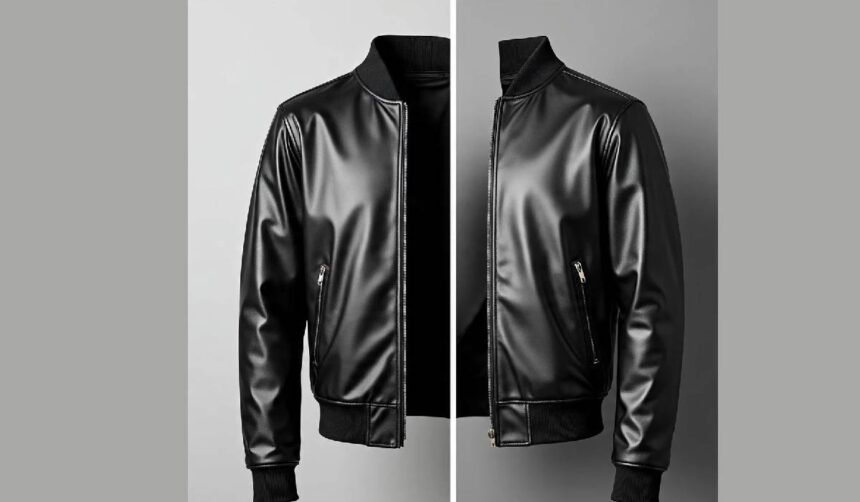
A black leather jacket never goes out of style. It works with casual outfits, sharp looks, and everything between. Whether you’re shopping for a black leather jacket for men’s styling or a sleek option for women, the material choice matters more than most buyers realize.
At first glance, real and fake leather can look similar. The real difference shows up later—in comfort, durability, aging, and overall value. This guide explains exactly what to check before buying so you can avoid regret and make a confident choice.
What Is Real Leather?
Real leather comes from animal hides, most commonly cowhide, lambskin, or goatskin. After tanning and finishing, the hide becomes a strong yet flexible material suitable for jackets.
What sets real leather apart is its natural structure. Each hide has unique grain patterns and subtle imperfections. These details give real leather jackets their character and allow them to age gracefully over time.
A high-quality black leather jacket made from real leather doesn’t just last—it improves. With wear, it softens, adapts to your body, and develops a rich patina that enhances its look.
Types of Real Leather Used in Jackets
Full-grain leather
The highest quality leather available. It keeps the natural grain intact, making it strong, breathable, and long-lasting.
Top-grain leather
Slightly sanded for a smoother finish while maintaining durability and comfort.
Genuine leather
A lower-grade option made from layered leather. It’s real leather but less durable than full- or top-grain varieties.
What Is Fake Leather (Faux or PU Leather)?
Fake leather, also called PU or synthetic leather, is manufactured using plastic-based coatings applied to fabric. It’s designed to imitate real leather at a lower cost.
Many budget-friendly jackets, including some women’s black leather jacket styles, use fake leather to achieve a similar look without the higher price tag. While visually appealing at first, fake leather lacks the natural fibers that give real leather strength and breathability.
Over time, fake leather often cracks, peels, or becomes stiff, especially with frequent wear or exposure to heat.
Real Leather vs Fake Leather – Key Differences
Look and Texture
Real leather has natural grain variations and a slightly uneven texture. It feels warm and soft to the touch.
Fake leather usually looks overly uniform. The surface feels colder, smoother, and sometimes plasticky.
Durability and Lifespan
A real leather jacket can last decades with proper care. It resists tearing and ages beautifully.
Fake leather typically lasts only a few years. Once peeling begins, it cannot be repaired.
Comfort and Breathability
Real leather allows airflow and adjusts to body temperature, making it comfortable year-round.
Fake leather traps heat and moisture, often feeling sticky or uncomfortable during extended wear.
Smell and Feel Test
Real leather has a natural, earthy smell and bends smoothly.
Fake leather smells chemical and creases sharply when folded.
How to Tell If a Black Leather Jacket Is Real or Fake
You don’t need professional tools to spot the difference.
Touch test
Real leather wrinkles slightly and warms up quickly. Fake leather stays firm and cool.
Water test
A small water drop absorbs slowly into real leather. Fake leather repels it.
Edge inspection
Real leather edges appear rough and fibrous. Fake leather edges look sealed and smooth.
Label check
Look for terms like “PU,” “synthetic,” or “man-made materials.”
Price check
If a jacket claims to be real leather but costs unusually little, question the claim.
Conclusion
A black leather jacket is more than a fashion item—it’s an investment in style and durability. While fake leather may look appealing initially, real leather delivers superior comfort, longevity, and character.
Before buying, focus on material quality rather than price alone. Choosing the right leather ensures your jacket stays stylish, functional, and wearable for years—making real leather the smarter choice in the long run.