



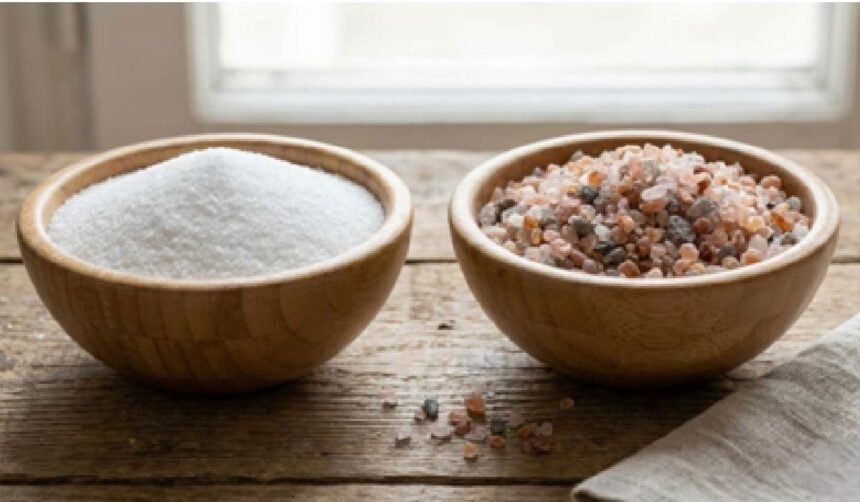
Salt is one of the most common ingredients in homes around the world, yet few people stop to consider how different types of salt are produced or how those differences affect taste, nutrition, and everyday use. While refined salt has long been the standard in kitchens, natural mineral salts—such as Himalayan pink salt—have gained attention for their origin, appearance, and processing methods.
Understanding the difference between refined salt and natural mineral salt can help consumers make informed choices based on health considerations, culinary preferences, and environmental awareness.
What Is Refined Salt?
Refined salt is typically sourced from underground salt deposits or seawater and undergoes extensive industrial processing. The refining process removes impurities and trace minerals, leaving behind almost pure sodium chloride.
To improve shelf stability and appearance, refined salt often includes:
- Anti-caking agents to prevent clumping
- Additives to ensure uniform texture
- Artificial iodine fortification in many regions
The result is a fine, white salt with consistent grain size and a long shelf life. While refined salt serves its basic purpose effectively, the heavy processing removes naturally occurring minerals found in less refined varieties.
What Is Natural Mineral Salt?
Natural mineral salt is harvested with minimal processing, allowing it to retain trace elements found in its original environment. These salts are often extracted from ancient salt deposits or evaporated naturally from mineral-rich waters.
Because they are not heavily refined, natural mineral salts:
- Retain small amounts of minerals like calcium, potassium, and magnesium
- Have varied textures and colors
- Reflect their geological origin
Consumers often ask questions such as does himalayan salt have iodine, especially when comparing it to iodized table salt. This highlights an important distinction: while natural mineral salts may contain trace minerals, they are not typically fortified with iodine unless specifically labeled.
Processing Differences That Matter
The primary difference between refined salt and natural mineral salt lies in how they are processed.
Refined Salt Processing
- High heat and chemical treatments
- Removal of all trace minerals
- Addition of anti-caking agents and iodine
Natural Mineral Salt Processing
- Minimal mechanical processing
- No chemical bleaching
- Retention of natural mineral composition
These processing differences influence not only nutritional content but also taste, texture, and appearance.
Taste and Culinary Experience
One of the most noticeable differences between refined salt and natural mineral salt is flavor. Refined salt delivers a sharp, immediate saltiness due to its uniform sodium chloride structure.
Natural mineral salts tend to offer:
- A milder, more rounded flavor
- Subtle taste variation due to mineral content
- Enhanced texture when used as a finishing salt
Many chefs prefer natural mineral salts for seasoning seafood, vegetables, and meats because they enhance flavor without overpowering it.
Nutritional Considerations
From a nutritional standpoint, both refined and natural mineral salts are primarily sources of sodium, which should be consumed in moderation. The trace minerals in natural salts are present in very small amounts and should not be relied upon as primary nutrient sources.
Key considerations include:
- Sodium intake remains the most important factor
- Iodized salt helps prevent iodine deficiency in some populations
- Natural mineral salts may appeal to those seeking fewer additives
The choice between salt types often comes down to dietary needs, cooking habits, and personal preference rather than major nutritional differences.
Environmental and Ethical Factors
How salt is sourced and processed can also influence environmental impact. Industrial salt refining requires significant energy and chemical input, while natural mineral salt harvesting often relies on traditional extraction methods.
Responsible sourcing has become increasingly important to consumers who value sustainability. Many buyers now look for transparency from producers and distributors, including those operating as a himalayan salt exporter, to understand where products come from and how they are handled.
Uses Beyond the Kitchen
Salt’s role extends beyond cooking. Natural mineral salts are commonly used in:
- Decorative salt lamps
- Salt tiles for interior spaces
- Wellness applications such as baths
Refined salt, by contrast, is primarily used for food preparation and industrial applications such as food preservation and manufacturing.
The versatility of natural mineral salt contributes to its growing popularity in home and lifestyle settings.
Choosing the Right Salt for Your Needs
There is no single “best” salt for everyone. Choosing between refined and natural mineral salt depends on how you plan to use it.
Consider refined salt if you:
- Prefer consistent texture for baking
- Rely on iodized salt for dietary iodine
- Want a neutral, predictable flavor
Consider natural mineral salt if you:
- Enjoy varied textures and visual appeal
- Prefer minimal processing
- Use salt as a finishing or presentation element
Reading labels and understanding sourcing information helps ensure the product aligns with your expectations.
Common Myths About Natural Mineral Salt
Natural mineral salt is often surrounded by myths suggesting it offers detoxification or medicinal benefits. While it may enhance flavor and aesthetics, it should not be viewed as a cure-all.
Separating fact from marketing claims helps consumers appreciate natural salt for its real advantages without unrealistic expectations.
Final Thoughts
The difference between refined salt and natural mineral salt lies in processing, origin, and application—not in dramatic health claims. Refined salt offers consistency and iodine fortification, while natural mineral salt provides variety, minimal processing, and visual appeal.
By understanding how each type is produced and used, consumers can make thoughtful choices that suit their lifestyle, cooking habits, and values. Whether seasoning a meal or enhancing a living space, salt remains a simple yet meaningful part of everyday life.