



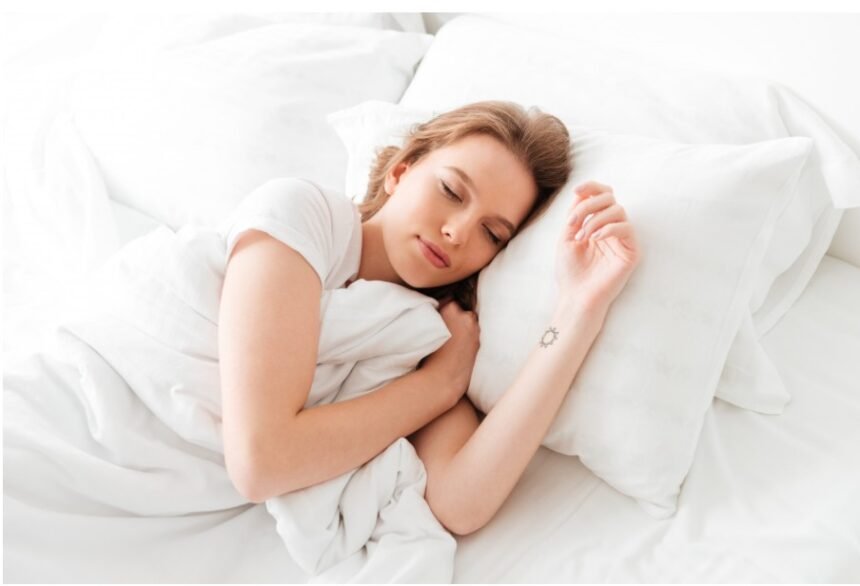
Sleep is not a luxury. You need it, and your body needs it. Having a proper sleep means that your body regenerates tissues, regulates hormones, and restores energy. Poor sleep does the opposite. It suppressed the immune system, retarded recovery and augmented stress.
Sleep is essential like food and physical activity. It forms the basis of healthy living. It is a key that the most specific diet and fitness program cannot provide the results without it.
https://www.freepik.com/free-photo/sleeping-young-woman-lies-bed-with-eyes-closed_7728966.htm#fromView=search&page=1&position=2&uuid=f11dd412-9cac-4352-9be7-5e768fafee6d&query=sleep
The Healing Power of Rest
Your brain is able to clear toxins, which accumulate throughout the day, during sleep. It is a sort of nightly shower to the nervous system. Deep sleep aids memory, learning and emotional stability.
Your muscles also benefit. The growth hormones are released in case of sleep and they repair the cells as well as decrease inflammation. This is the reason athletes and healers usually refer to sleep as nature’s recovery therapy.
Sleep deprivation will leave you feeling dazed, nervous, and tired. Vital signs of insomnia are heart disease, diabetes and depression. It also heightens the chances of gaining weight through disruption of the hormones of hunger.
How Stress Affects Sleep
Sleep and stress are self-perpetuating. The body secretions of cortisol, the stress hormone, occur when you are anxious. When one is under high levels of cortisol, they become difficult to relax. You can be lying down with worries in your mind or be waking up every so often in the night.
It is possible to learn to relax your nerves before going to sleep. There is a reduction in cortisol by deep breathing, meditation or mild stretching. The rituals such as lowering the light or applying relaxing scents can make your body ready to sleep even during the simplest activities.
The Role of Sleep Support
Most individuals resort to supplements or aids to sleep. Some of the most common ones are magnesium, melatonin, and herbal teas such as chamomile or valerian root. An excellent mattress, low room temperature and regular bedtime are also important.
Sleep support does not just concern products. It has to do with the establishment of the proper atmosphere. Darkness communicates to your brain to synthesize melatonin. Silence decreases sensory saturation. Comfort is needed to make your muscles relax and your breathing slow.
Sleep hygiene, i.e. your bedtime habits, matter. Leaving the screen on an hour before sleep does not hurt, and it allows your brain to shift to the rest mode. Avoiding caffeine and heavy meals in the later evening helps one to sleep deeper.
Pressure Points for Sleep
Eastern medicine has been utilizing pressure points as a method of sleep to put the body and mind at ease since time immemorial. These points allow to balance energy or qi moving in your body. By rubbing or pressing some parts of your body such as your eyebrows or inside the wrist, you would be able to relax and relieve tension.
When these areas are stimulated, your nervous system slows down. It helps your body to relax in order to sleep deeply. Acupressure mats, massage or light self-touch are some of the ways through which many individuals utilize their bodies before going to bed.
Acupuncture and Sleep
Another traditional method that has been gaining its contemporary acceptance is acupuncture on insomnia. The acupuncture also restores the balance of energy and helps to achieve natural sleeping patterns by placing fine needles at certain points.
It has been found that acupuncture is effective in eliminating anxiety, pain, and hormones that govern sleep. It assists individuals in falling asleep and longer sleep. Scheduled sessions also have the ability to elevate mood as well as decrease the use of sleep medication.
The gentle and holistic nature of acupuncture treats the cause of insomnia and not the symptoms. Relaxation methods and herbal medicine are usually combined with it to have a greater effect.
The Effect of Sleep on Mental Health
There is a close relationship between sleep and mental health. Sleep gives your brain the capacity to process emotions better. Absence of sleep augments agitation, melancholy, and emotions.
The chronic insomnia may cause anxiety and depression. Sleep pattern is disrupted in the case of people with mental conditions. This causes a vicious circle, which exacerbates emotional and physical health.
Emotional stability, focus, and confidence can be enhanced by getting quality sleep back again. It is one of the easiest but most effective forms of looking after oneself.
Physiological Advantages of Sleep
A body at rest works better. Muscles are cured quicker, immune system is enhanced, and metabolism becomes even. Even sleep has an influence on the skin—it makes the skin look clearer and more radiant.
When one is in deep sleep, there is an increase in blood flow to the skin. This enhances cell regeneration and the synthesis of collagen. And that is why people usually describe good rest as beauty sleep.
A healthy heart is also helped with quality sleep. It controls blood pressure and decreases inflammation. In its absence, your body will be under the state of stress and that can cause damage in the long run.
Natural Methods of Enhancing Sleep
There is no need to necessarily take drugs to sleep better. There are numerous mild solutions of nature.
You can drink warm herbal tea before going to sleep. The aroma of things, such as lavender or sandalwood, helps to calm down your senses. Light stretching or a warm bath may be used to relieve tension in the muscles.
Setting a routine is key. Going to sleep and waking up at the same time causes the internal clock of your body to be trained. The production of melatonin can be facilitated by avoiding bright lights, in particular, phones and computers.
There is also a significant role of exercise. The evening walks or gentle yoga can be used to release the accumulated stress. Yet, just do not have vigorous exercises just before bed.
The Power of Consistency
It is consistency that makes rest healing. Getting eight hours of sleep every now and then is not sufficient. The body thrives on rhythm. When bedtime and waking up at normal hours, your internal systems remain normal.
This rhythm promotes hormone manufacture, digestion and clear thinking. It also enhances stability of the daytime energy and mood.
With time, regular rest is developed into natural medicine. It improves immunity, increases focus and improves emotional strength.
Listening to Your Body
Your body can tell you when you should rest. Monitor the symptoms—yawning, fatigue, irritability, or lack of concentration. These are light nudges that remind your system that it has to take a rest.
Lack of attention to them causes burnout and ill health. Rather, act with empathy. Take little time to rest in the day, although brief. Balance can be restored with a nap, meditation, or simple thought.
Final Thoughts
The most natural tool of healing to us is sleep. It is free, but everything is changed. A good sleep revitalizes your body, refreshes your mind and gives your spirit power.
By sustaining your sleep with conscious practices, relaxing conditions and using natural remedies such as acupressure or acupuncture, your entire life is enhanced.
That power of rest is not only in shutting off your eyes but in allowing yourself to halt, inhale, and recover.