



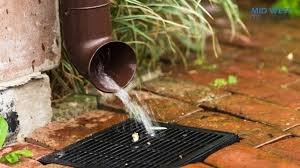
Blocked drains may seem like a minor inconvenience, but when left untreated, they can create serious health, pest, and structural risks for homes and investment properties. What begins as slow drainage or unpleasant smells can quickly escalate into widespread contamination, pest infestations, and costly building damage.
For homeowners, landlords, and property managers, understanding the hidden dangers of block drains is essential. Ignoring early warning signs often leads to far greater problems that affect occupant health, property value, and long-term safety.
What Are Blocked Drains and Why Should They Never Be Ignored?
Most drain blockages develop gradually due to everyday household and environmental factors. Hair, grease, food waste, soap residue, tree root intrusion, and foreign objects commonly build up inside pipes over time. While the initial symptoms may appear minor, the real danger often lies beneath floors, behind walls, or underground.
When water cannot flow freely, it becomes trapped within the drainage system. This stagnant water creates an ideal environment for bacteria, fungi, and mould to thrive. As blockages worsen, contamination spreads beyond the pipes, affecting indoor air quality and increasing health risks for occupants. Unfortunately, many property owners delay action, allowing block drains to deteriorate further with each passing day.
Stagnant Water and Serious Health Risks
One of the most overlooked dangers of untreated block drains is stagnant water. When water remains trapped in sinks, pipes, or outdoor drains, it becomes contaminated with harmful bacteria such as E. coli and Salmonella. These pathogens are known to cause illnesses, including gastroenteritis, nausea, and skin infections.
Damp environments also promote mould growth and fungal spores, which can trigger respiratory problems, allergies, asthma flare-ups, and persistent coughing. Children, elderly residents, and individuals with weakened immune systems are particularly vulnerable.
In addition, foul odours from blocked drains are more than just unpleasant. They often indicate decomposing organic matter, releasing harmful gases. Prolonged exposure to these gases can lead to headaches, dizziness, nausea, and poor indoor air quality, making untreated drainage issues a serious health concern.
How Blocked Drains Attract Pests
Blocked drains also create ideal conditions for pests to breed and spread. Standing water and trapped organic waste attract rodents, cockroaches, mosquitoes, and drain flies. These pests carry bacteria and diseases, compounding health risks and making infestations harder to control.
Once pests establish themselves within a drainage system, they can quickly spread throughout the property. In many cases, effective pest control treatment is required alongside plumbing repairs to eliminate both the infestation and its source. Searching for pest control near me is often triggered by recurring infestations that originate from untreated drainage problems.
Without addressing the underlying drainage issue, pest problems are likely to return, no matter how often treatment is applied.
The Structural Damage You Don’t See
Beyond health and pest concerns, block drains pose serious risks to the structural integrity of a property. When water pressure builds up inside blocked pipes, it seeks alternative escape routes. Over time, this can result in:
- Cracked or burst pipes
- Water damage to walls, ceilings, and flooring
- Mould growth inside wall cavities
- Weakened foundations
- Soil erosion around the property
- Contamination of the surrounding soil and external drainage systems
These issues are often hidden from view until significant damage has occurred. In many cases, a qualified building inspector is needed to identify moisture-related structural damage caused by prolonged drainage issues.
Why Professional Help Is Essential
While DIY solutions may appear convenient, they often mask symptoms rather than resolve the root cause. Chemical drain cleaners can corrode pipes, and basic tools rarely reach deeper blockages. Professional intervention ensures accurate diagnosis, safe treatment, and long-term protection.
Specialist Diagnosis and Advanced Equipment
Severe block drains require professional tools such as CCTV drain cameras, high-pressure water jetting, and mechanical augers. These methods allow blockages to be located and removed thoroughly, rather than temporarily cleared.
Preventing Long-Term Damage
Professional assessment can identify early signs of pipe deterioration, leaks, or wastewater backflow. Timely repairs reduce the risk of expensive structural damage and ongoing health hazards.
Integrated Pest and Structural Protection
Where blocked drains have led to infestations, coordinated pest control treatment is essential. In more serious cases, a building inspector may also be required to assess moisture damage, foundation issues, or internal mould growth.
Safer and More Reliable Outcomes
Professional services provide lasting solutions, helping property owners avoid repeated repairs, ongoing pest issues, and escalating costs.
Conclusion
Blocked drains are far more than a plumbing nuisance. They present serious risks to health, attract pests, and can quietly undermine the structural integrity of a property. Stagnant water promotes harmful bacteria and mould, while hidden leaks and pressure build-up lead to costly damage over time.
Regular maintenance, early professional intervention, effective pest control treatment, and timely inspections by a building inspector are key to protecting both property value and occupant well-being. Addressing block drains promptly is one of the most effective ways to prevent long-term damage and unnecessary expense.
FAQs
- What health risks are linked to untreated blocked drains?
Blocked drains can harbour bacteria, mould, and fungi that cause respiratory issues, allergies, infections, and gastroenteritis. - Do blocked drains contribute to pest infestations?
Yes. Standing water and organic waste attract rodents, cockroaches, and mosquitoes, often requiring professional pest control treatment. - Can blocked drains cause structural damage?
Absolutely. Water pressure and leaks can damage walls, floors, and foundations. A building inspector may be needed to identify hidden damage. - Why is DIY drain clearing risky?
DIY methods often fail to remove deep blockages and can damage pipes, allowing problems to worsen unnoticed. - When should I seek professional help?
If blockages persist, odours continue, or pests appear, professional plumbing, pest control near me, and inspection services are essential to prevent escalation.