



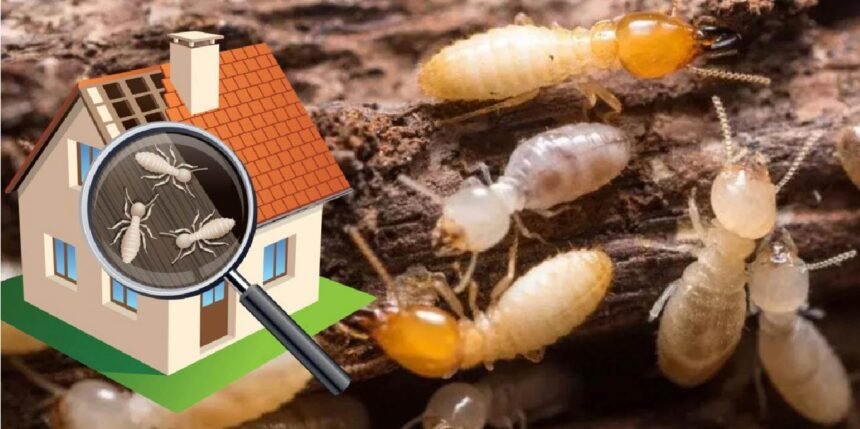
Termites may be small, but the damage they can cause is anything but minor. Often referred to as “silent destroyers,” these pests are capable of compromising the structural integrity of homes and buildings—long before anyone even realizes there’s a problem. The challenge with termites is that they work behind the scenes, beneath the surface, often undetected until extensive damage has already occurred.
In many parts of the world, termites are more than just a seasonal nuisance—they’re a year-round threat. And while homeowners and property managers tend to focus on visible issues like water damage or roof repairs, few realize that an infestation could be slowly and steadily eating away at the very bones of their property.
This is where a termite inspection becomes essential—not as an afterthought, but as a proactive part of maintaining the safety, value, and livability of any building.
Understanding the Termite Problem
Termites are wood-destroying insects that thrive on cellulose-based materials, most commonly found in wood, paper, and even drywall. They live in colonies that can number in the thousands or even millions. Depending on the species, they may build their nests underground, in trees, or directly within the walls of buildings.
The damage caused by termites can go unnoticed for years because they usually target the inside of wood, leaving the outer surface intact. What seems like a solid structure might, in fact, be hollow and compromised from the inside.
Here’s what makes termites particularly dangerous:
- They are silent: Termites don’t make noise and are rarely seen in open areas.
- They are persistent: Once a colony is established, it can continue to grow and spread indefinitely.
- They are destructive: Termites cause billions in property damage annually worldwide.
By the time signs of termites become visible—such as sagging floors, hollow-sounding wood, or mud tubes—it’s often too late to prevent significant repairs.
What is a Termite Inspection?
A termite inspection is a comprehensive assessment carried out by a licensed pest control professional to determine whether a property has an active infestation, past termite activity, or conditions that could attract termites in the future.
Unlike standard home inspections, which may only touch on termite damage as a secondary issue, a termite inspection is laser-focused on identifying any potential or existing threats from these pests.
The inspection includes:
- Exterior checks: Examining the perimeter of the property for mud tubes, wood debris, or damaged siding.
- Interior assessments: Tapping on baseboards, checking behind drywall, and inspecting crawl spaces.
- Moisture readings: Since termites are drawn to moisture, damp areas are thoroughly evaluated.
- Structural evaluation: Identifying signs of wood damage in beams, joists, and other load-bearing structures.
At the end of the inspection, a report is usually provided, detailing the findings and any recommendations for treatment or prevention.
Why Termite Inspections Are a Necessity
Many property owners view pest inspections as something to consider only when buying or selling a home. However, termites are not bound by real estate timelines—they are a constant risk.
Here’s why scheduling regular termite inspections makes sense:
1. Early Detection = Lower Costs
Termite damage can accumulate slowly over time. Catching the problem early can prevent thousands of dollars in repairs and prevent structural compromise.
2. Peace of Mind
Knowing that your property has been professionally evaluated brings confidence. Whether you own a home, manage a commercial property, or oversee a multi-unit dwelling, regular inspections help protect your investment.
3. Insurance Limitations
Most homeowners insurance policies do not cover termite damage. That means any repairs due to infestations must be paid out of pocket. A proactive inspection schedule helps reduce financial risk.
4. Resale Value
If you ever choose to sell your property, a history of routine termite inspection reports can increase buyer confidence and potentially speed up the sale process.
How Often Should You Get a Termite Inspection?
The frequency of termite inspections depends on several factors:
- Geographic location: If you live in a region known for termite activity, annual inspections are recommended.
- Property history: Homes with previous infestations or wood structures near soil should be inspected more frequently.
- Environmental conditions: Moist, warm climates tend to attract termites more than dry or cold environments.
For most property owners, scheduling a termite inspection once a year is the best practice. However, if you’ve had recent construction, water leaks, or signs of potential infestation, it’s wise to schedule an inspection sooner.
What Happens If Termites Are Found?
If an active infestation is discovered, the pest control expert will provide treatment options tailored to the severity of the issue.
Treatment methods may include:
- Liquid barrier treatments: Applying chemical solutions to the soil surrounding the property to prevent termites from entering.
- Baiting systems: Installing monitored stations that eliminate entire colonies.
- Direct wood treatments: Using special sprays or foams on affected wood.
- Fumigation: For severe infestations, tenting and fumigating the entire structure may be required.
In most cases, early intervention allows for localized treatments rather than full-scale fumigation.
Prevention Tips Between Inspections
While annual or biannual inspections are important, there are also several steps you can take to reduce the risk of infestation between visits:
- Eliminate wood-to-soil contact: Keep wooden structures like fences and decks from touching the ground.
- Address leaks promptly: Repair plumbing, roof, and gutter leaks quickly to reduce moisture.
- Store wood away from the home: Firewood, lumber, and mulch should be kept several feet from the structure.
- Ventilate crawl spaces and attics: Adequate airflow reduces humidity that attracts termites.
- Trim vegetation: Bushes and tree branches should not touch the building’s exterior.
Preventative maintenance combined with professional inspections provides the strongest defense against costly termite problems.
The Role of Technology in Modern Termite Inspections
Today’s pest control professionals have access to tools and technology that make inspections more accurate and efficient. These include:
- Thermal imaging cameras: Detecting heat differences that may indicate termite activity.
- Moisture meters: Identifying damp areas without removing walls or flooring.
- Fiber-optic scopes: Viewing inside walls or other tight spaces.
- Acoustic detection devices: Listening for sounds of termites chewing or moving.
These tools allow for a less invasive, yet more thorough, evaluation of the property.
Choosing the Right Termite Inspector
Not all inspectors are created equal. When selecting a provider, consider the following:
- Licensing and certification: Ensure they are qualified and authorized to perform termite inspections.
- Experience: A proven track record speaks volumes.
- Detailed reporting: Choose a company that provides thorough documentation of their findings.
- Warranties or service guarantees: Some companies offer limited guarantees or treatment plans for ongoing protection.
Ask for references or check online reviews to find a reputable provider who stands behind their work.
Final Thoughts
A strong structure starts with a solid foundation, but that foundation is vulnerable if left unprotected. Termites are not just pests—they are a genuine structural threat that can silently compromise your property from the inside out.
Fortunately, they can be stopped. The first step is awareness, and the second is action. A professional termite inspection in Winchester offers both peace of mind and a critical safeguard against financial loss.
Whether you’re buying a new home, maintaining an existing one, or managing a commercial property, don’t wait until the damage is visible. Schedule regular inspections, stay vigilant, and make termite prevention a part of your property care routine.
Because when it comes to termites, what you can’t see can hurt you.