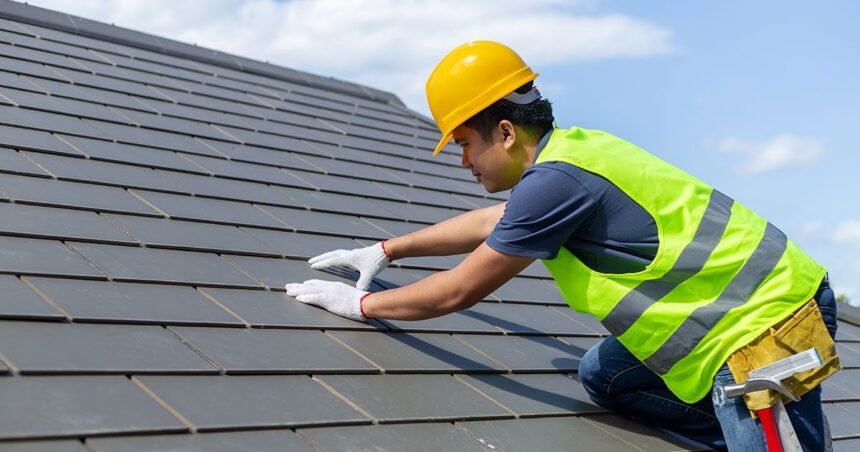
When thinking about home or property maintenance, many people focus on landscaping, painting, or interior renovations. But there’s one critical part of every structure that is often overlooked—your roof. It protects your home from the elements, insulates against heat and cold, and provides the foundation for a structurally sound building. However, to perform these duties effectively over time, your roof requires regular attention—particularly in the form of roof cleaning.
Keeping a roof clean isn’t about aesthetics alone. It’s about longevity, function, and property value. Ignoring the dirt, moss, algae, and debris that collect on your roof can lead to expensive repairs and early replacement. In this article, we’ll explore why roof cleaning is essential, what it involves, the different cleaning methods available, and how to ensure it’s done safely and effectively.
Understanding the Role of a Clean Roof
A roof is constantly exposed to the environment—sunlight, rain, wind, falling leaves, bird droppings, and airborne contaminants. Over time, these elements take a toll on roofing materials. Algae, mold, mildew, and lichen are particularly problematic because they not only stain but also degrade shingles and roofing membranes.
Many homeowners don’t notice the early signs of roof decay because they’re out of sight. By the time leaks or interior water damage occurs, the issue has typically been building for years. Regular cleaning is one of the most proactive ways to extend the life of your roof and maintain the integrity of your home.
Why Roof Cleaning Is Important
You might be tempted to ignore a dirty roof, especially if you can’t see the stains from the ground. However, here are some compelling reasons why roof cleaning should be part of your regular home maintenance routine:
1. Preventing Structural Damage
Moss and algae don’t just sit on your shingles—they eat into them. Moss retains moisture and can lead to rot, especially on wood shingles. If left unchecked, this can compromise the structure of the roof and even spread to interior ceilings.
2. Improving Energy Efficiency
A roof covered in black algae stains absorbs more heat, raising your attic and indoor temperatures. This forces your HVAC system to work harder, increasing energy bills. A clean roof reflects heat more efficiently and supports better temperature regulation.
3. Extending Roof Lifespan
A properly maintained roof can last decades longer than a neglected one. Cleaning removes debris and biological growths that accelerate aging and decay.
4. Boosting Curb Appeal
If you plan to sell or simply want your home to look its best, a clean roof can make a huge difference. It contributes to the overall appearance of your property and creates a positive first impression.
5. Preventing Water Damage
Blocked gutters and downspouts caused by roof debris can lead to water backing up under shingles. This eventually results in interior leaks, mold growth, and costly repairs.
What Builds Up on a Roof?
Different types of debris and growths collect on roofs depending on the climate, surrounding environment, and roofing material:
- Algae (Gloeocapsa magma): Appears as dark streaks, common in humid areas.
- Moss: Thick green growth that holds moisture and lifts shingles.
- Lichen: A combination of algae and fungus, often white or green, and very difficult to remove.
- Leaves and Twigs: Accumulate in valleys and gutters, causing clogs and drainage problems.
- Bird Droppings: Acidic and capable of damaging roof coatings.
All of these contribute to wear and tear, making consistent cleaning a necessary investment in your property’s future.
Roof Cleaning Methods
There’s more than one way to clean a roof, and the right method depends on the roof material, extent of dirt or growth, and your specific goals. Here are the most common techniques:
1. Soft Washing
Soft washing uses low-pressure water combined with specialized cleaning solutions. It’s the safest and most effective method for removing algae, mold, and mildew without damaging shingles.
Best for: Asphalt shingles, tile, slate, and delicate roofing materials.
2. Pressure Washing
This method uses high-pressure water jets to blast off dirt and growth. While it’s effective, it can damage shingles and void warranties if not used carefully.
Best for: Metal roofs or durable surfaces with heavy dirt build-up.
3. Chemical Cleaning
This approach uses strong chemical solutions to break down organic matter. It’s often used in conjunction with soft washing and may require time to work fully.
Best for: Stubborn stains and biological growth like lichen and black algae.
4. Manual Debris Removal
Involves brushing or blowing off leaves, sticks, and moss before applying cleaning solutions. This method is often part of routine gutter cleaning.
Safety First: Dangers of DIY Roof Cleaning
While cleaning your roof might seem like a manageable DIY project, it comes with significant risks:
- Falls and Slips: Wet roofs are extremely slippery, and falls can result in serious injury or death.
- Improper Equipment Use: Using a pressure washer incorrectly can tear off shingles or force water under the roofing system.
- Chemical Burns: Cleaning agents can be dangerous without proper handling and protective gear.
- Accidental Damage: Stepping on weak areas can break tiles or create leaks.
Unless you have the training, equipment, and confidence, it’s usually best to hire professionals who specialize in roof cleaning.
How Often Should You Clean Your Roof?
There’s no one-size-fits-all answer, but here are some general guidelines:
- Every 1–2 years: In humid or shaded areas prone to moss and algae growth.
- Every 2–3 years: In dry or sunny climates where growth is less aggressive.
- Annually: If your roof is under trees or exposed to frequent storm debris.
Even if your roof doesn’t look dirty, regular inspections and light maintenance can prevent costly repairs down the road.
Choosing the Right Roof Cleaning Service
If you decide to outsource your roof cleaning, consider the following before hiring a provider:
1. Experience and Credentials
Look for companies with experience in handling your specific roof type. Ask for references and proof of insurance.
2. Cleaning Methods
Ensure the company uses appropriate methods (e.g., soft washing) and environmentally safe solutions, especially if you have landscaping near your home.
3. Guarantees and Warranties
Reputable companies may offer warranties on their work or provide guarantees on stain removal.
4. Transparent Pricing
Avoid vague quotes. Ask for itemized estimates that include labor, materials, and any post-cleaning treatments or sealants.
Additional Tips for Roof Maintenance
In addition to cleaning, take these steps to keep your roof in optimal condition year-round:
- Trim Overhanging Branches: Reduces shade and falling debris, discouraging moss growth.
- Clean Gutters Regularly: Prevents backups that can cause roof leaks.
- Check Flashing and Seals: Ensure they are intact to avoid water infiltration.
- Inspect After Storms: Look for damage or displaced shingles that may need attention.
Proactive care can save thousands in future repairs and help you avoid premature roof replacement.
Environmental Considerations
With growing awareness of environmental impact, it’s important to ensure that your roof cleaning practices align with eco-friendly standards:
- Use Biodegradable Cleaners: These reduce runoff pollution and protect your lawn and nearby water sources.
- Capture Runoff: Use containment systems or barriers to prevent chemicals from entering storm drains.
- Recycle Waste: If your cleaning produces debris, recycle it properly.
Many professional services now offer green options for conscientious homeowners.
Final Thoughts
Your roof is one of the most important—and most vulnerable—parts of your property. Neglecting its maintenance can lead to costly repairs, structural damage, and reduced curb appeal. Regular roof cleaning is not a luxury—it’s a necessity for extending roof life, protecting your investment, and maintaining a healthy home environment.
Whether you choose to do it yourself or hire professionals, the benefits of a clean roof are far-reaching. With the right methods, safety precautions, and frequency, you can ensure your roof performs well for decades to come.